
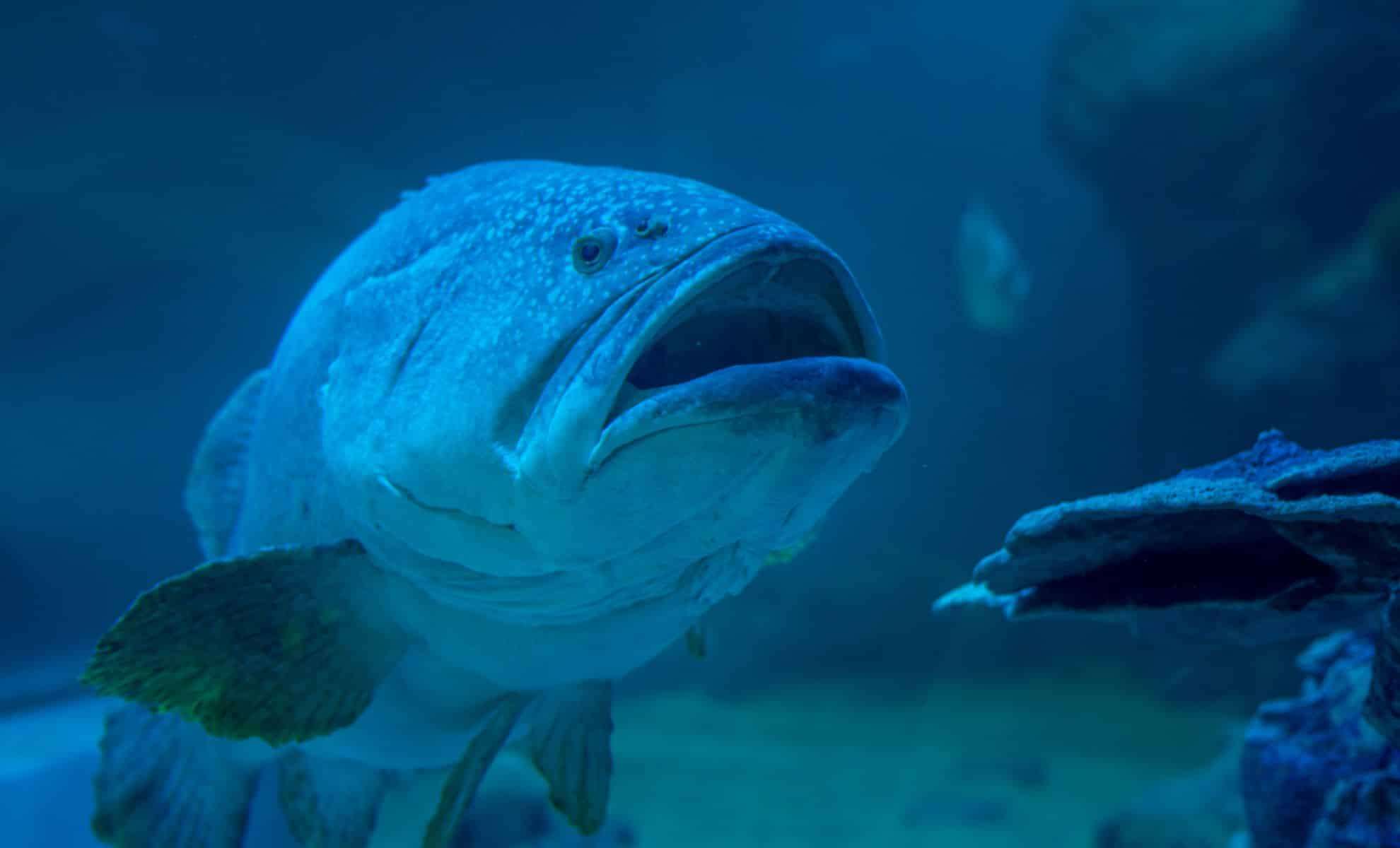
A new discovery uncovered by marine scientists during a deep ocean expedition, as detailed by Animals Around The Globe, reveals what could be the oldest fish specimen documented in the Pacific Ocean.
This finding highlights a unique rockfish species and holds the potential to transform our understanding of marine lifespan science along with ecological preservation efforts.
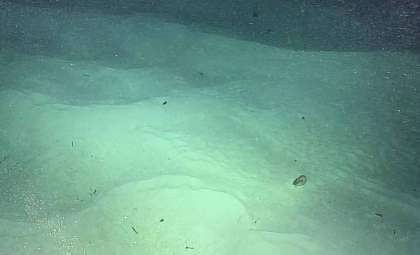
Discovery From the Ocean’s Depths
While conducting an underwater survey in the Pacific Ocean, researchers encountered a rockfish whose identity was later confirmed through genetic testing and structural examination as part of the Sebastes genus. These rockfish are already famed for their longevity, but this individual appears to surpass previous records.
By applying radiocarbon dating to samples from the fish's tissues—a technique often used in dating ancient historical artifacts—the team estimated that this remarkable fish lived for well over 200 years.

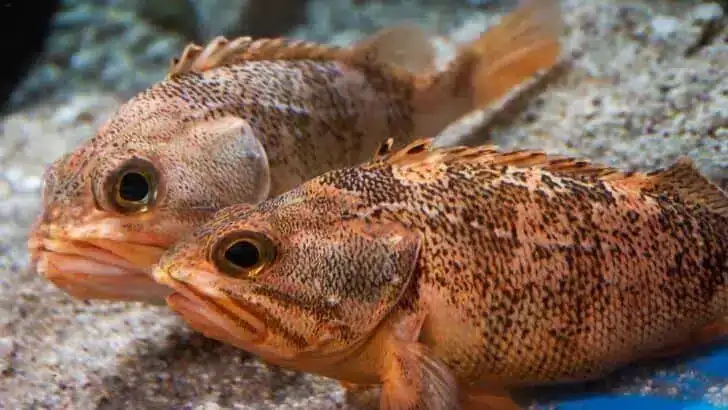
Meet the Rougheye Rockfish
The rougheye rockfish (Sebastes aleutianus) is the leading candidate for holding the longevity record in this study. Native to the chilly, deep waters spanning from Japan to California, this species has been recorded living beyond 205 years. The recent find gains significance given the isolated and extreme underwater environment where it was located.
Distinguished by its spiny dorsal fin and rough skin patches beneath the eyes, the rougheye rockfish exemplifies extraordinary biological endurance in some of the planet’s most challenging marine habitats.
What Contributes to Their Longevity?
Prolonged lifespan in ocean species frequently correlates with traits such as slow developmental rates, reduced metabolism, and stable surroundings. The newly studied rockfish exhibits all these factors, thriving in cold water with lower oxygen that diminishes their bodily energy needs.
Fewer predators and moderate competition in deep-sea ecosystems create an environment conducive to extended lives. These conditions also provide a valuable model for exploring cell biology, including aging mechanisms, oxidative damage, and genetic integrity.
Ecological Importance of Rockfish
Besides their notable age, rockfish serve a critical ecological function. Acting as mid-level predators, they help control populations of smaller fish and invertebrates (source), maintaining equilibrium within the deep ocean’s food web.
They also provide sustenance for bigger marine carnivores, forming a vital link in marine biodiversity. Studying such ancient members helps unravel long-term population trends, reproductive behaviors, and survival strategies over centuries.
Threats and the Need for Conservation
Despite their durability, rockfish stocks face significant pressure from human activities including intensive fishing and destructive deep-sea trawling, which damages habitats requiring centuries to regenerate.
Regulations in regions like the US and Canada now incorporate restricted harvest quotas and depth limits, but enforcement remains inconsistent. Without enhanced global cooperation, these ancient species risk extinction before scientists can fully comprehend them.
Moreover, climate challenges such as warming seas, acidification, and lower oxygen levels threaten their specialized cold-water habitats, impacting both individual fish and entire generational populations.
Marine Protected Areas: Preserving Oceanic Timekeepers
Expanding marine protected areas (MPAs) offers a hopeful approach. These zones act as natural archives that safeguard marine ecosystems and enable species like Sebastes to flourish undisturbed.
Studies confirm MPAs enhance species diversity and help increase the size and age of resident fish, providing valuable multi-generational insight.
In regions where MPAs coincide with deep-sea environments, these long-lived inhabitants have a better chance at survival and recovery.
- Categories:
- Nature











0 comments
Sign in to Comment