
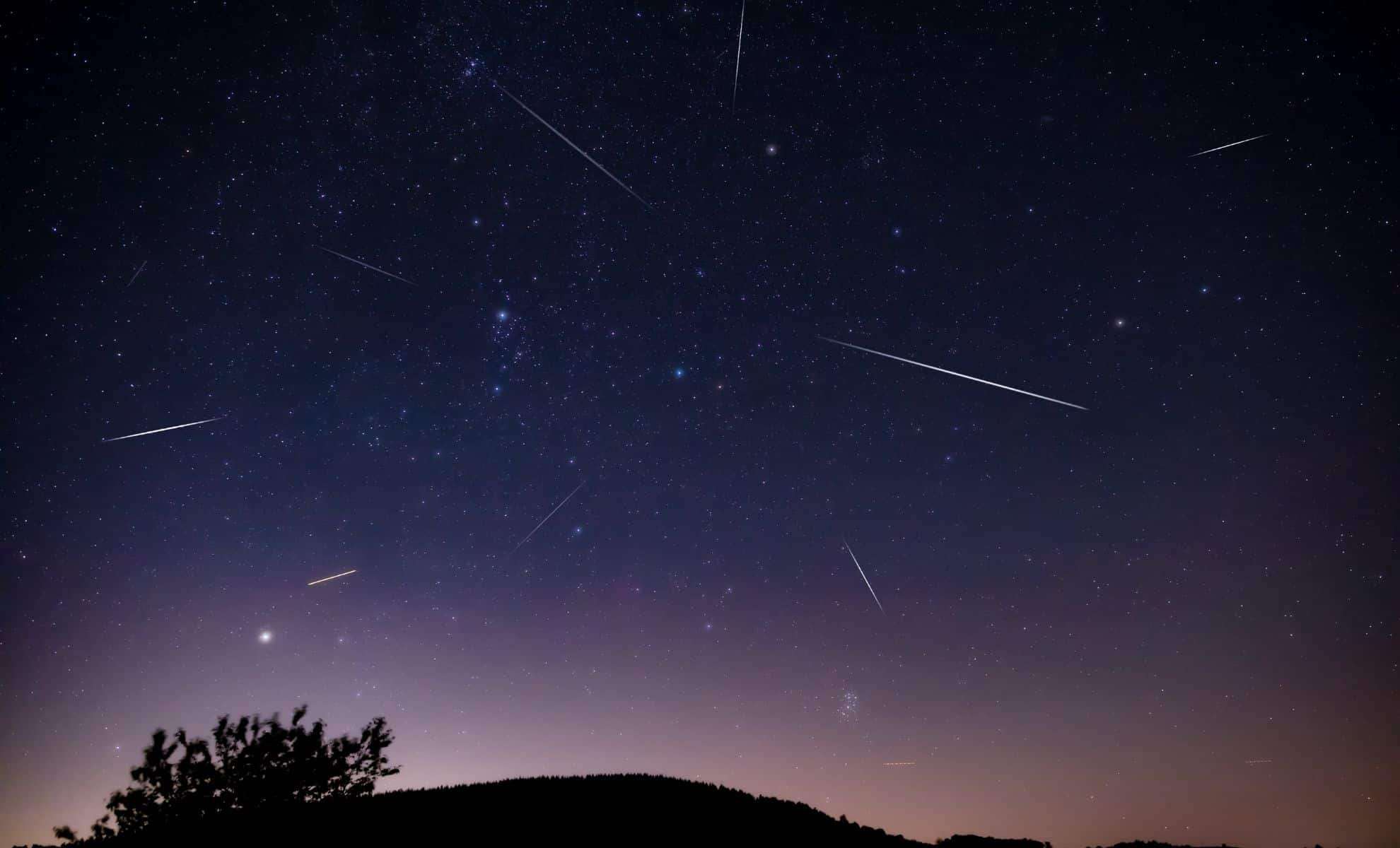
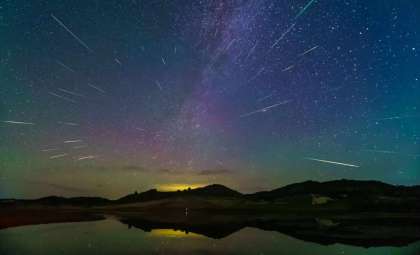
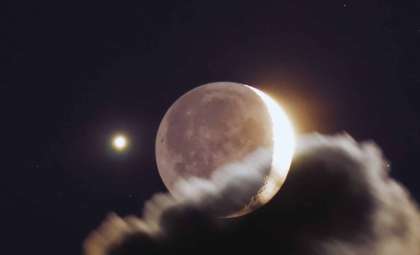
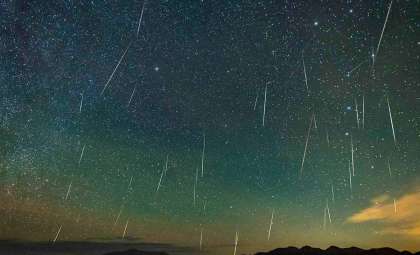
The Delta Aquariids meteor shower is set to dazzle stargazers this week, mainly from July 28 through 30. Unlike meteor showers that peak sharply on a single night, the Delta Aquariids offer an extended viewing period, making it easier to catch shooting stars. As the moon dips below the horizon around midnight, even the faintest meteors will become visible against the dark sky.
Experience a Stunning Celestial Display
The Delta Aquariids are among the most enchanting meteor showers of the year. They originate from debris shed by comet 96P/Machholz, the same comet linked to intriguing meteor events like the rare daytime Arietids.
The meteors from this shower are notable for leaving lingering trails in the night sky that can remain visible for several minutes. This afterglow adds a magical element to the spectacle, especially for observers lucky enough to witness these glowing streaks fade away in the darkness.

While the Southern Hemisphere offers prime visibility, skywatchers worldwide can enjoy the event. The best viewing time is around midnight when looking towards the southeastern horizon.
A guide from the Royal Observatory can help locate the radiant—the apparent origin point of the meteors. Typically, viewers can expect an hourly count of about 15 to 20 meteors. The shower’s gradual peak means that meteor activity remains robust beyond the primary peak nights.
Perfect Conditions for Viewing
Observers in the Northern Hemisphere are in for a treat, with the Delta Aquariids presenting an excellent opportunity under favorable conditions. Once the moon sets near midnight, the sky becomes sufficiently dark to reveal even the faintest meteor streaks.
These brief flashes of light contrast beautifully against the darkened backdrop of night. Although the peak happens between July 28 and 30, watching earlier or later still provides a rewarding spectacle. This extended viewing window is great news for anyone who can’t commit to the peak nights.
Often overshadowed by more popular showers, the Delta Aquariids stand out due to their long-lasting trails and flexible timing. Whether an avid astronomer or casual skywatcher, this shower is well worth observing this summer.
Tracing the Origins of Comet 96P/Machholz
The Delta Aquariids trace back to the passage of comet 96P/Machholz, which leaves behind dust and particles as it orbits the sun. These remnants become meteoroids that ignite upon entering Earth's atmosphere, creating the bright flashes and persistent trails seen during the shower.
Comet 96P/Machholz is also linked to the Arietids, a rare daytime meteor shower. This connection illustrates how a single comet can influence multiple spectacular displays witnessed from Earth throughout the year.
For those passionate about meteor showers and cometary science, the Delta Aquariids provide a captivating reminder of the dynamic nature of our universe. With widespread visibility and a mesmerizing show, the shower is a must-watch event for anyone fascinated by the cosmos.
- Categories:
- News







0 comments
Sign in to Comment