
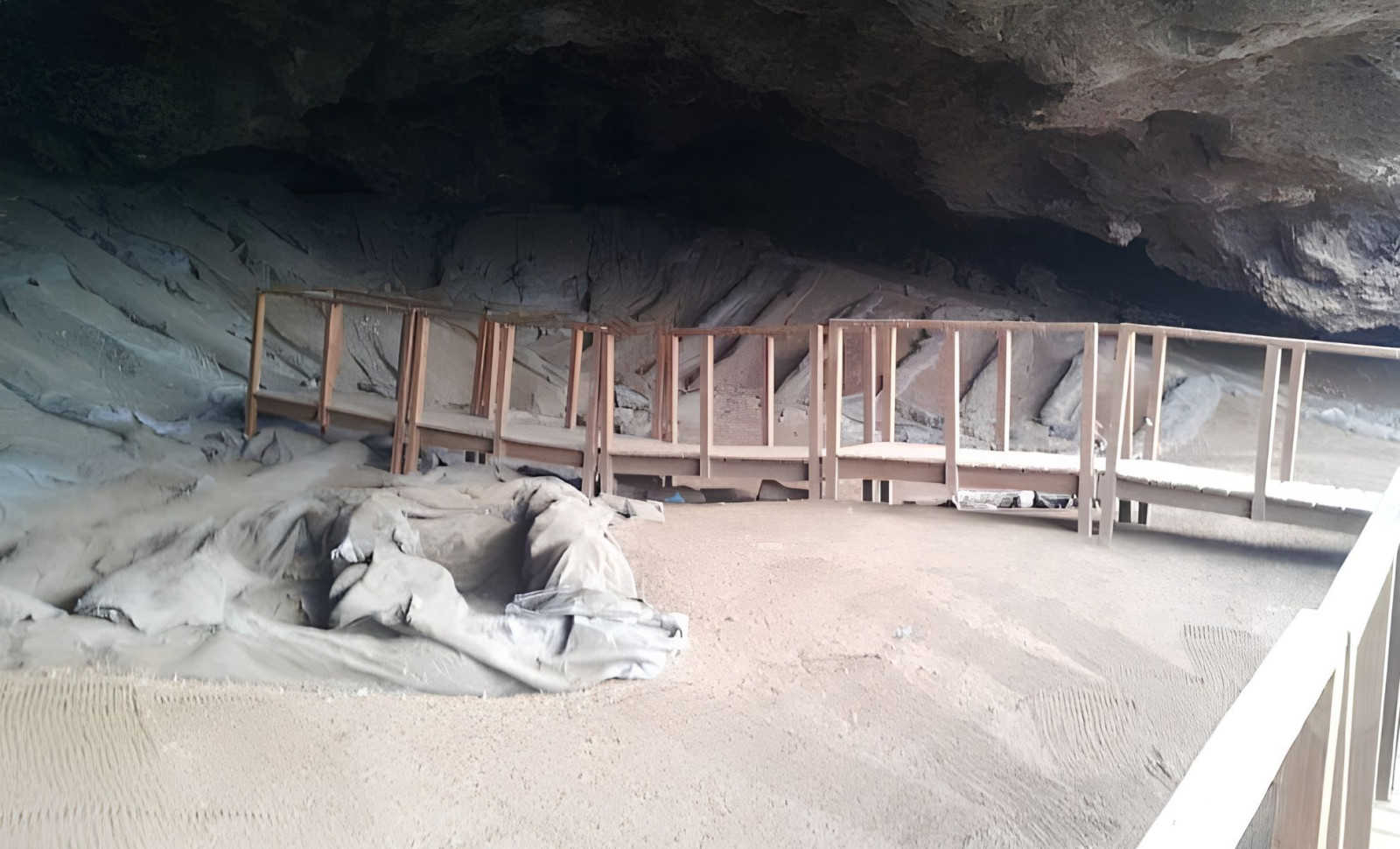
Long before the invention of beds made of wood or fabric, early humans were already particular about their sleeping spots. Recent findings from Border Cave, situated on the South Africa-Eswatini border, offer new insights into an intimate aspect of prehistoric life that rarely endures in archaeological records.
Evidence of ancient sleep habits is notoriously elusive. Since materials like grass, leaves, and other plant remnants typically decompose quickly, uncovering prehistoric bedding is an extraordinary challenge. Such discoveries are exceptionally uncommon.
A 2026 study published in the Journal of Archaeological Science shows that humans occupying Border Cave consistently constructed and refreshed plant-based sleeping platforms from between 200,000 and 43,000 years ago. They innovatively layered grass atop ash deposits to create and maintain designated sleeping areas.

Microscopic Analysis Uncovers Six Distinct Bed Types
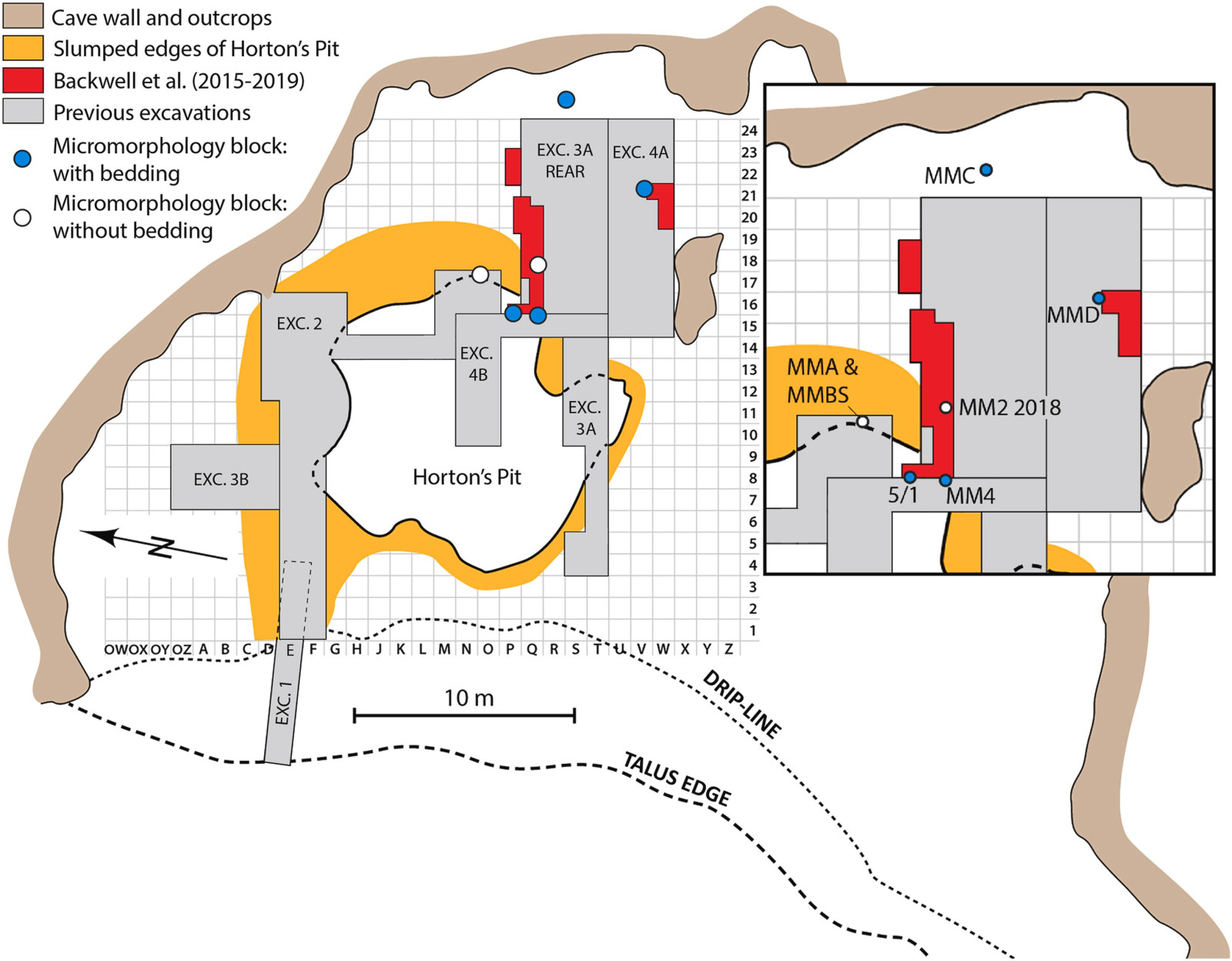
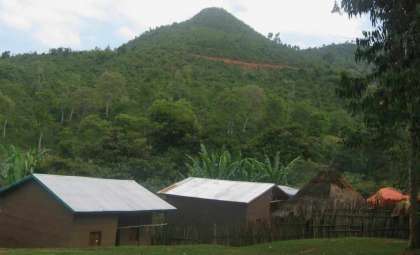
Although Border Cave has undergone excavation for nearly nine decades, researchers continue to reveal new facets of its ancient inhabitants. Nestled in the Lebombo Mountains, this site holds a rich stratified record, spanning from the Paleolithic era to the Iron Age.
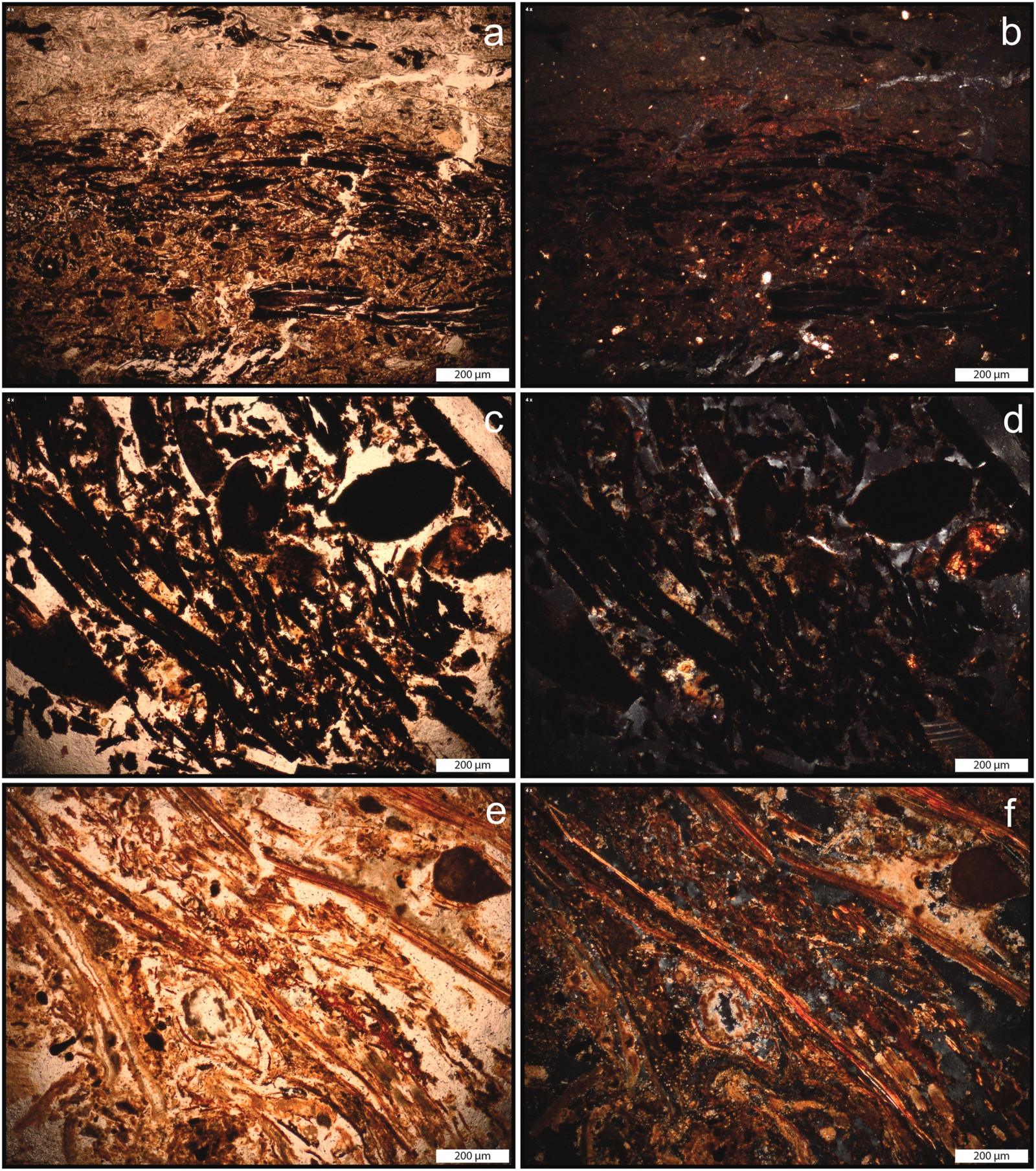
Through detailed sediment micromorphology, scientists identified six unique microfacies, each corresponding to different bedding styles. These fine-scale layers demonstrate that sleeping area preparation methods evolved over the cave’s long history.
The bedding consisted predominantly of grasses from the Panicoideae family along with reeds placed directly on the ground. Notably, three of the more recent bed types appear unique with no known parallels in existing literature. Others bear resemblance to prehistoric bedding at South African sites like Sibudu and Diepkloof, although distinct differences were noted.
“These differences could reflect inter-site variations in bedding construction and/or maintenance or be due to the plant material utilised,” wrote the authors.
Purposeful Use of Ash Beyond Fire Remnants
The ancient sleepers didn’t place grass straight on the cave floor. Instead, thick deposits of ash layers were consistently found underneath beds, signifying a long-term practice spanning thousands of years.
The research indicates the ash suited several practical purposes: it kept bedding dry and warm and deterred insects. Additionally, evidence shows old bedding was periodically burned before fresh materials were laid above new ash layers.
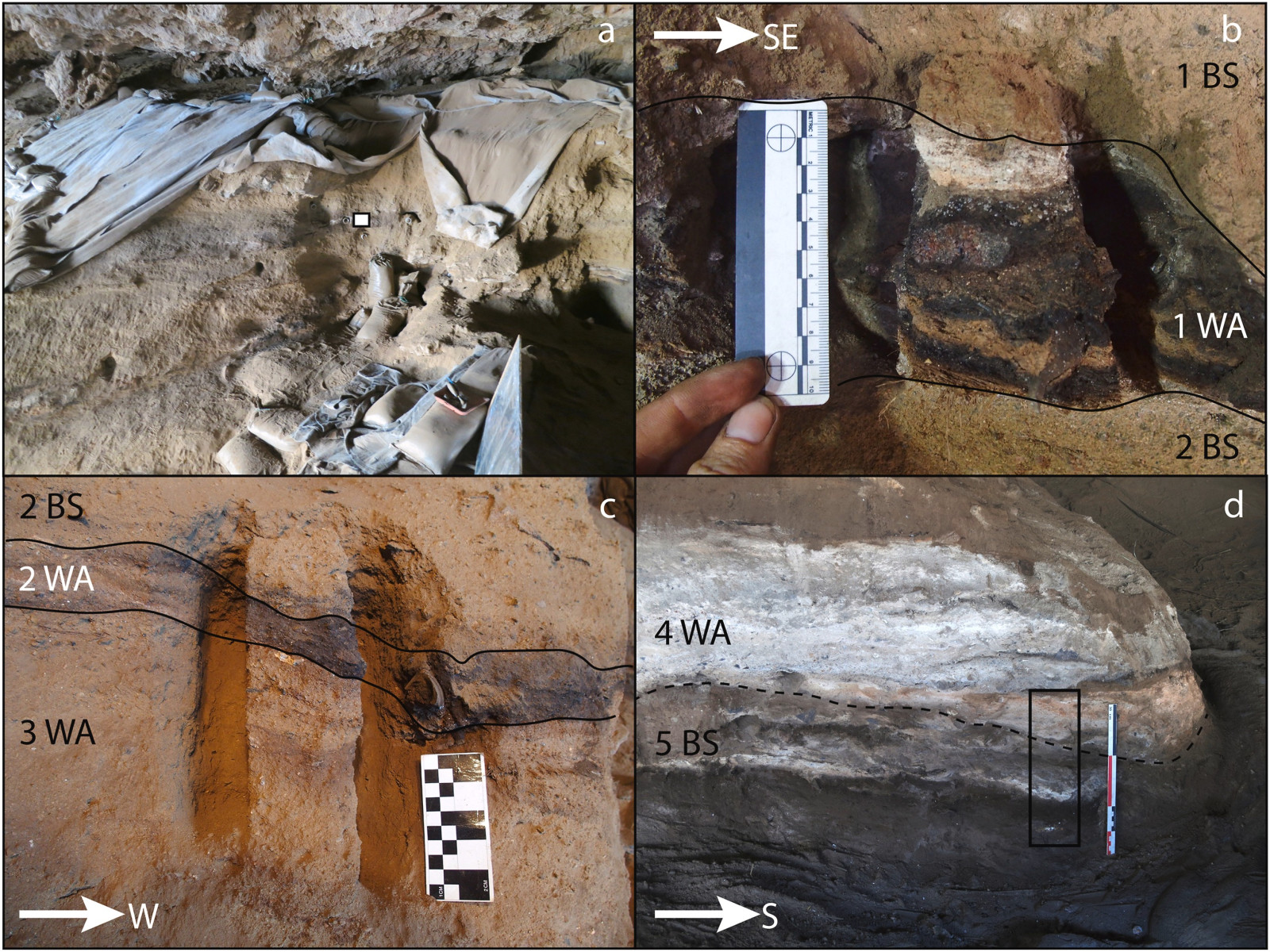
This cyclical activity of clearing out old bedding and replacing it with fresh grass atop new ash persisted for millennia, indicating that bedding care was a routine household task for the cave residents rather than an infrequent event.
Evolution in Sleeping Customs Over Millennia
The study found that no two beds were exactly alike. Variations in burned plant residues and the spatial arrangement of phytoliths—tiny mineralized plant particles—suggest continuous modifications in how bedding was constructed and maintained across thousands of years. This likely reflects shifts in materials used, maintenance routines, or the functions of designated sleep areas.
The freshest bedding deposits, dated from around 60,000 to 43,000 years ago, were noted to be less fragmented, less charred, and showed fewer signs of foot traffic compared to older samples, suggesting altered bedding practices or uses during that period.
The preserved sleeping layers span approximately from 161,000 to 43,000 years ago, while some deposits linked to human occupation extend back nearly 200,000 years. Throughout this extensive timeframe, layering fresh grass on ash remained a steady practice within the cave. Three types of bedding discovered remain unmatched elsewhere, providing researchers with new clues as they delve deeper into one of Africa’s most significant prehistoric locations.
- Categories:
- Science





0 comments
Sign in to Comment