
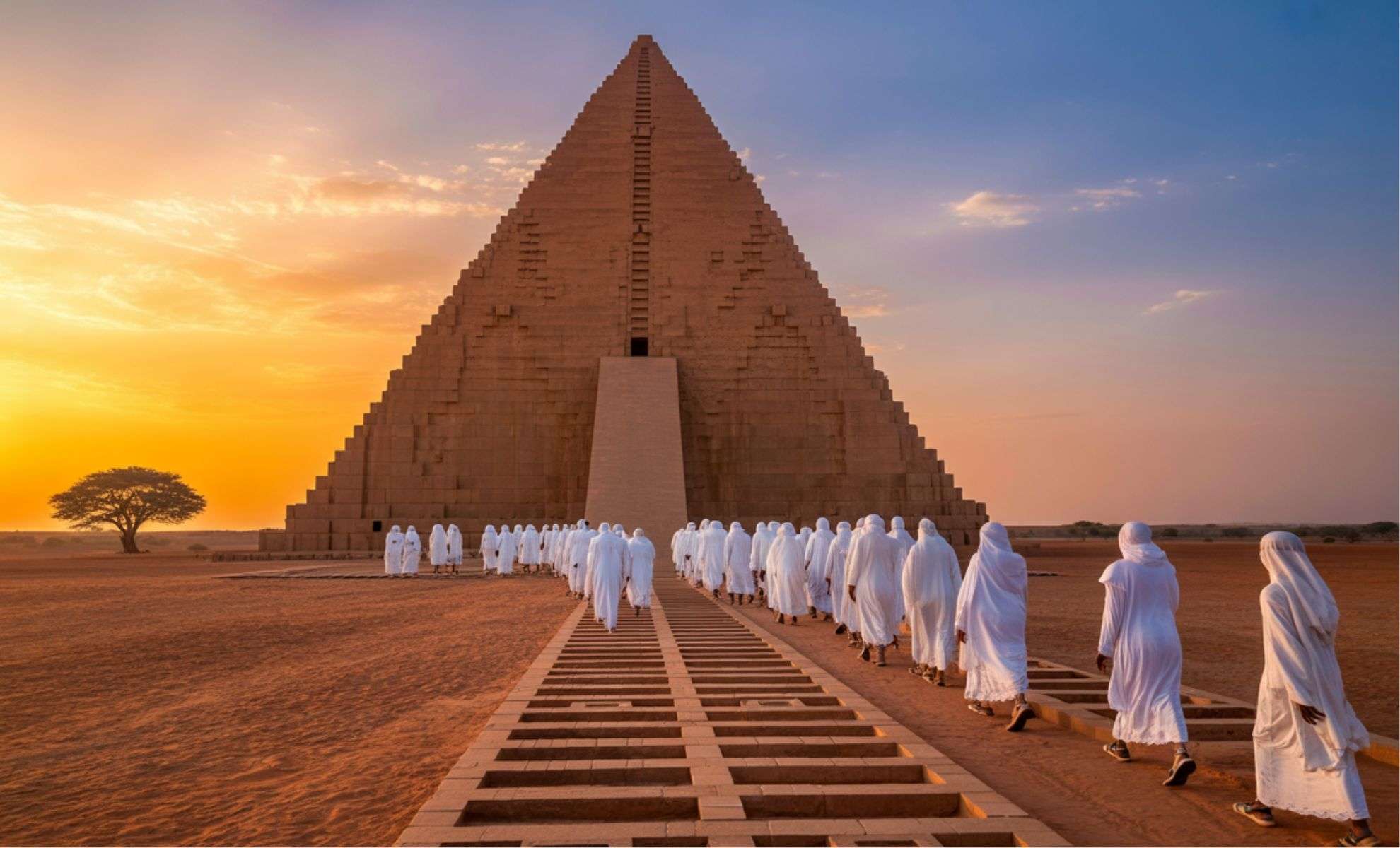
Most people instantly associate pyramids with Egypt, especially the iconic Great Pyramid of Giza, a UNESCO World Heritage Site and the lone surviving wonder of the ancient world. However, just 200 miles south of Egypt, within Sudan's borders, lies an even more extensive array of pyramids that outnumber those in Egypt yet have largely been overlooked in popular history.
Recent archaeological investigations and UNESCO records report that Sudan houses over 220 pyramids, primarily clustered near the ancient city of Meroë, the royal necropolis of the Kingdom of Kush. In contrast, Egypt contains approximately 118 pyramids, though this number remains debated among researchers due to varying criteria and the deteriorated state of some structures.
The Kingdom of Kush and the Black Pharaohs’ Monumental Heritage
The Sudanese pyramids serve as enduring evidence of the Kingdom of Kush, a dominant African civilization that thrived from around 800 BCE to 350 CE in the region of Nubia, covering southern Egypt and northern Sudan. Unlike simple imitation, the Kushites conquered Egypt and established their own rule.

During Egypt’s 25th Dynasty (circa 712–664 BCE), Kushite rulers governed Egypt. One notable monarch, Piye, launched an invasion around 770 BCE and erected a pyramid at El-Kurru, a Nubian burial site, inspired by Egyptian design. This event initiated a distinct tradition of pyramid construction in the Kushite realm that flourished for centuries.
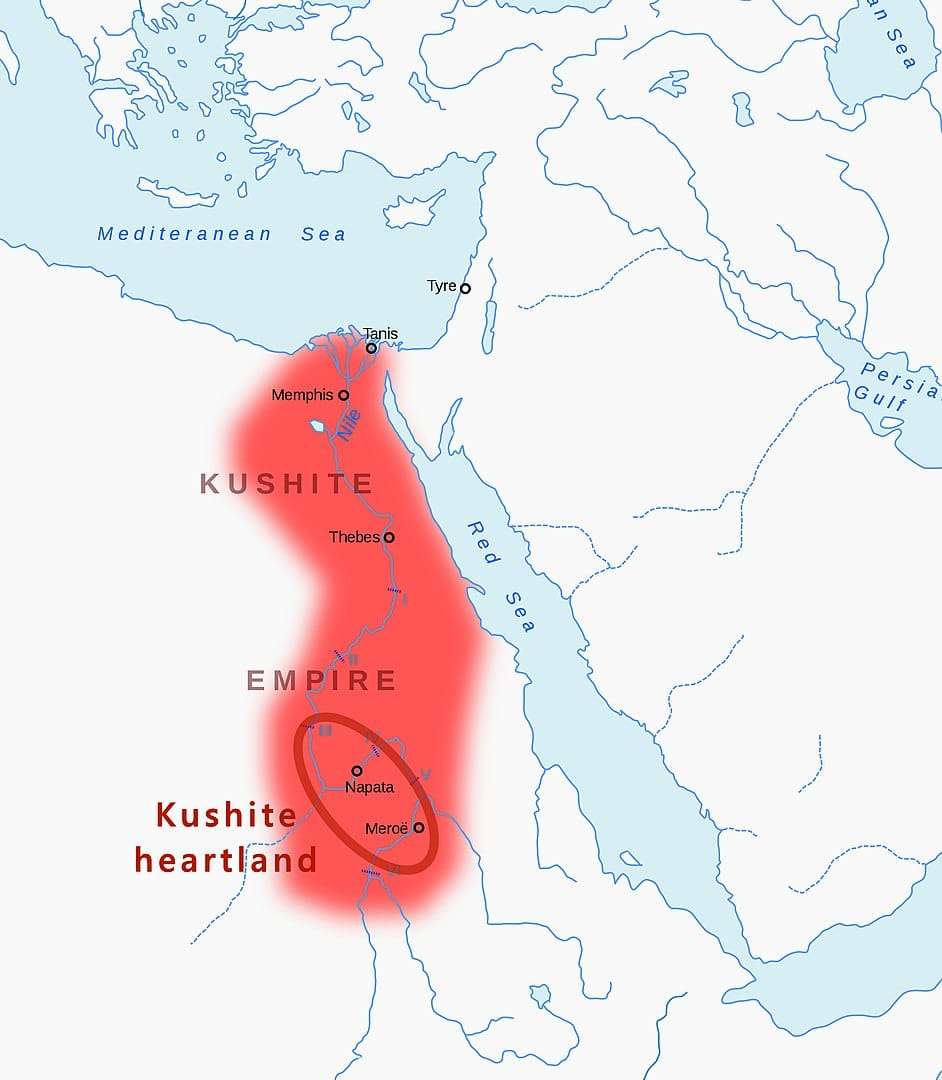
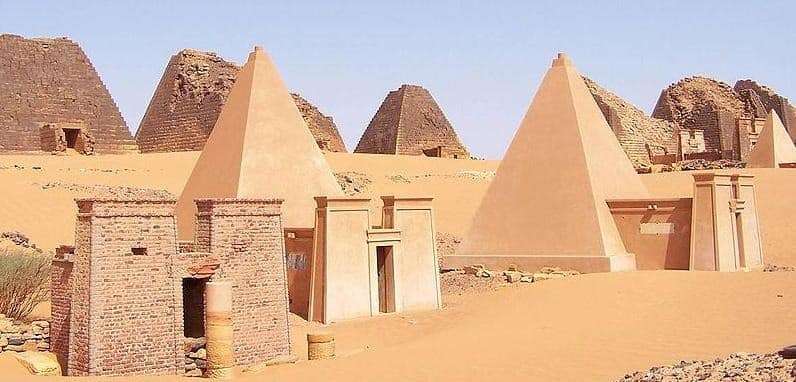
A majority of Kushite pyramids are located at Meroë, near today’s Khartoum. Following the Kushite dynasty’s retreat from Egypt, Meroë emerged as the power center. Archaeological surveys have revealed nearly 200 pyramids in dense groups, marked by steep inclines and sharply pointed summits — styles that differ from the wider, more gently sloped pyramids seen in Giza.
Although smaller in height, typically ranging from 6 to 30 meters, the pyramids of Meroë were grand burial sites for royalty and nobility, often accompanied by elaborately adorned chapels and funerary items designed to accompany the deceased in the afterlife.
Preservation Challenges of a Hidden Cultural Legacy
Despite their importance, Sudan’s pyramids remain largely unknown and seldom visited. This obscurity stems partly from historical damage inflicted by 19th-century treasure hunters, most notoriously Giuseppe Ferlini, an Italian adventurer who infamously used dynamite to break into multiple pyramids in the 1830s, searching for gold.
“Ferlini’s destruction caused irreversible damage,” explains Dr. Salah Mohamed Ahmed, head of Sudan’s National Corporation for Antiquities and Museums. “Several pyramids were completely destroyed, leaving only fragments today.”
More recent decades of political turmoil, civil unrest, and insufficient tourism infrastructure have further hindered efforts to conserve and promote Sudan’s archaeological sites. While Egypt’s pyramids attract over 14 million visitors each year, per UNWTO statistics, Sudan’s ancient monuments remain largely untouched and overlooked in educational contexts.
Recognition arrived in 2011, when UNESCO inscribed the Archaeological Sites of Meroë as a World Heritage Site, highlighting their cultural importance and sparking some international interest. Yet restoration and stabilization initiatives proceed slowly and with minimal funding, hampered by logistical obstacles and scarce conservation expertise on-site.
Reevaluating Historical Narratives and African Heritage
The differences between the pyramids of Sudan and Egypt go beyond size and renown; they reflect broader issues about historical storytelling and representation. While Egyptian pyramids are globally acclaimed as architectural and cultural icons, the Kushite pyramids remain an underappreciated testament to African ingenuity and sovereignty.
“Though architecturally distinct, their message is consistent,” states Dr. David Lightbody, an Egyptologist at the University of Vermont. “The Kushites asserted their power and legitimacy through these structures. Their pyramids symbolize an empire’s strength.”
Ongoing research continues to uncover new information, challenging traditional views. Advanced technologies like satellite imaging and ground-penetrating radar (University of Dongola, 2022) reveal that the actual number of pyramids and tombs buried beneath Nubian sands may be far greater than once believed.
- Categories:
- News








0 comments
Sign in to Comment