
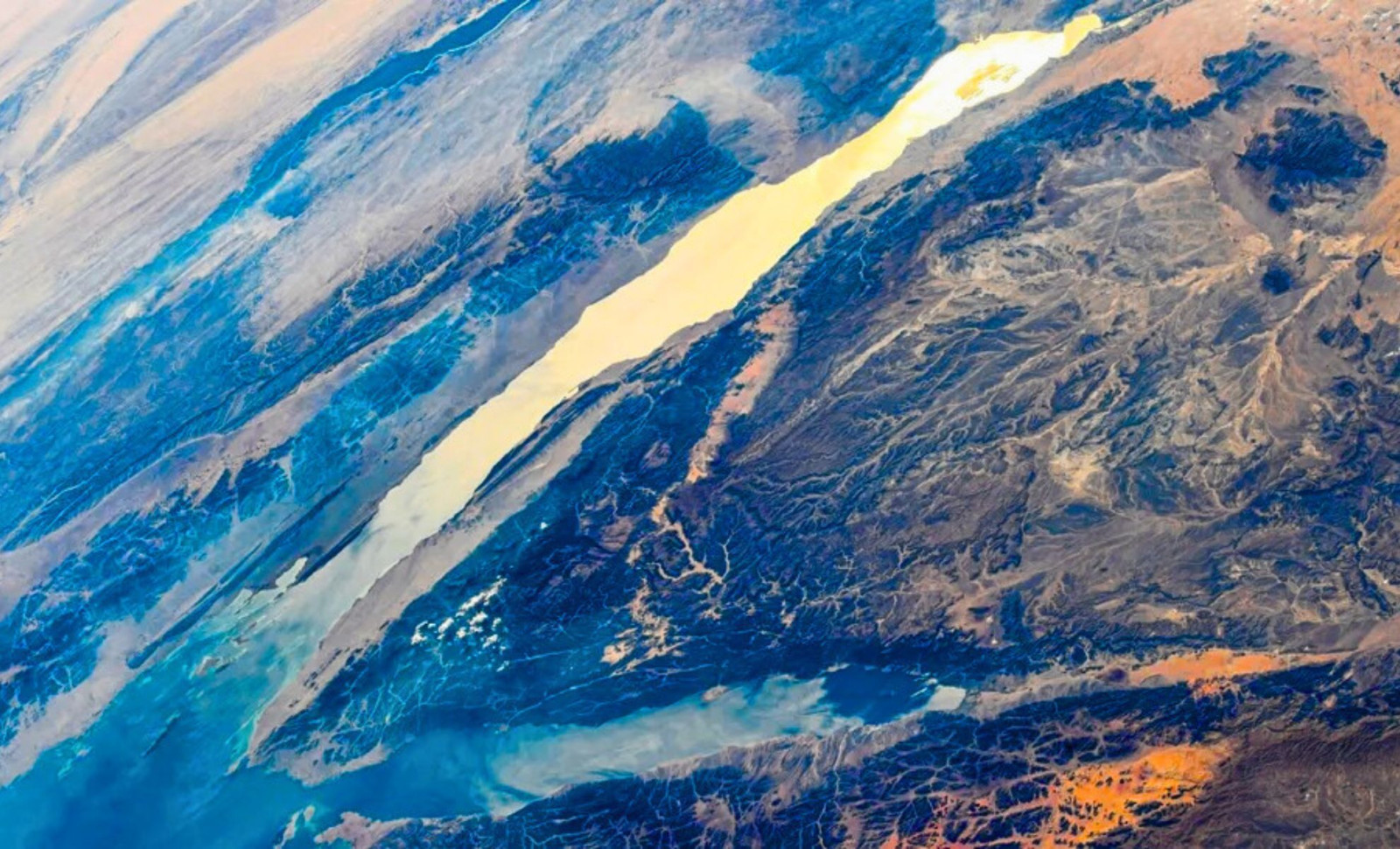
Hidden beneath the harsh landscapes of northeast Africa and below the sediment layers and warmth of the Gulf of Suez, a geological fault once believed dormant is showing signs of life again. Though the movements are minute, they persist steadily enough to challenge longstanding scientific beliefs.
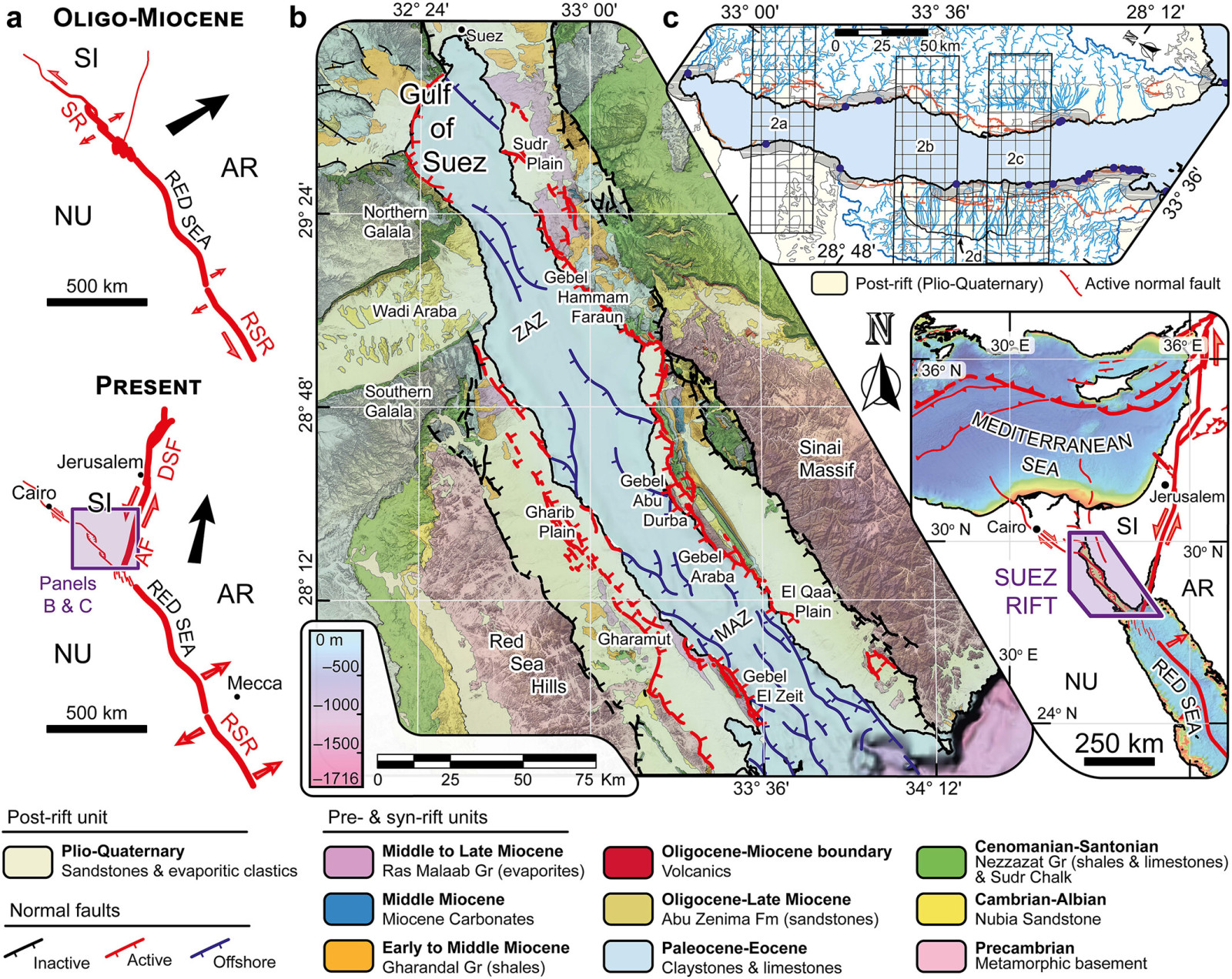
Historically, the Suez Rift has been a classic example of a continental rift that initiated the splitting of land but halted before evolving into an ocean basin. In contrast to the nearby Red Sea Rift, which continues to widen, the Suez Rift was thought to have become inactive about 11 million years ago as tectonic forces shifted towards the Dead Sea Fault.
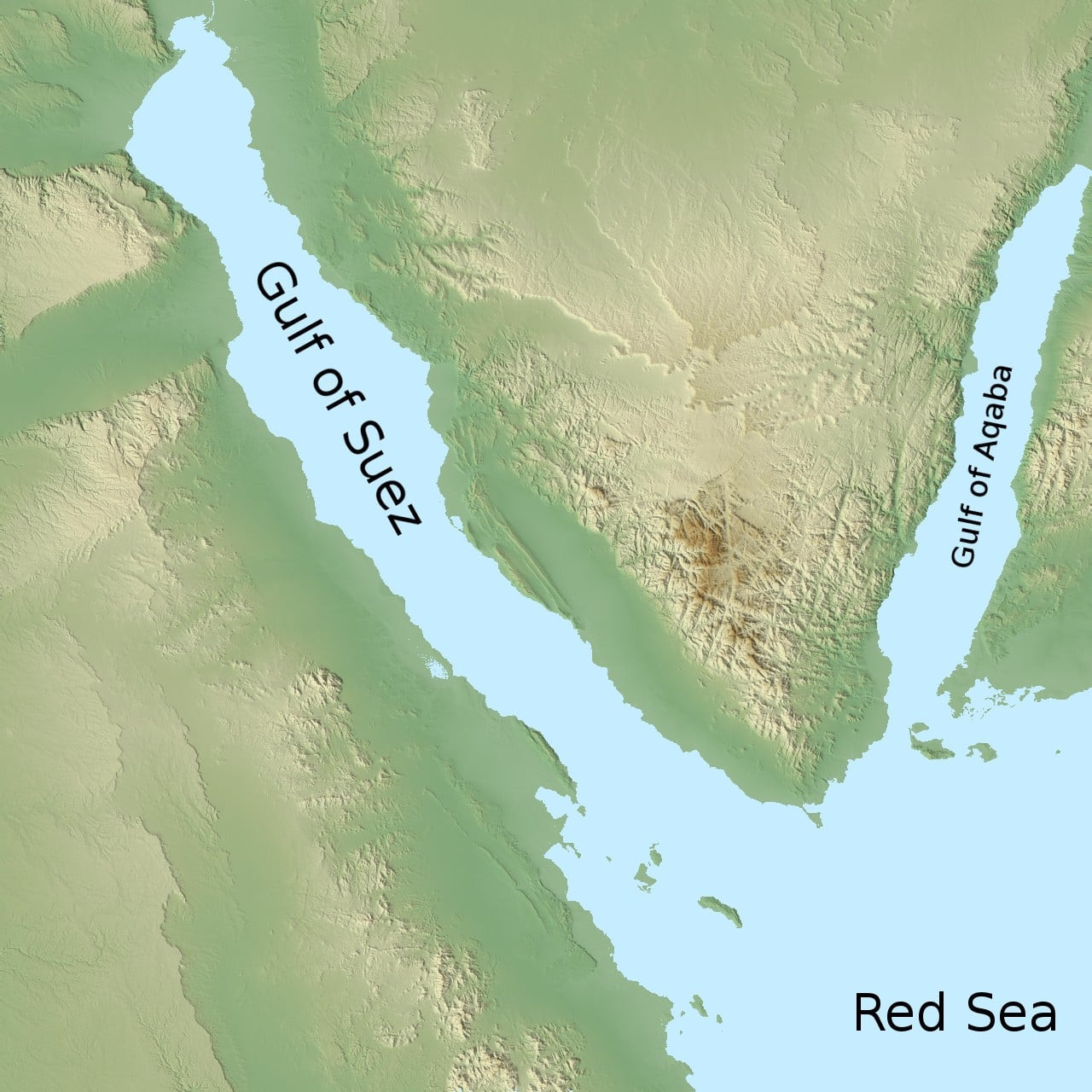
New findings are turning this assumption on its head. Analysis of detailed geophysical data now reveals ongoing stretching of the Earth’s crust in a region once deemed inactive.

Geophysical Evidence Shows Ongoing Movement
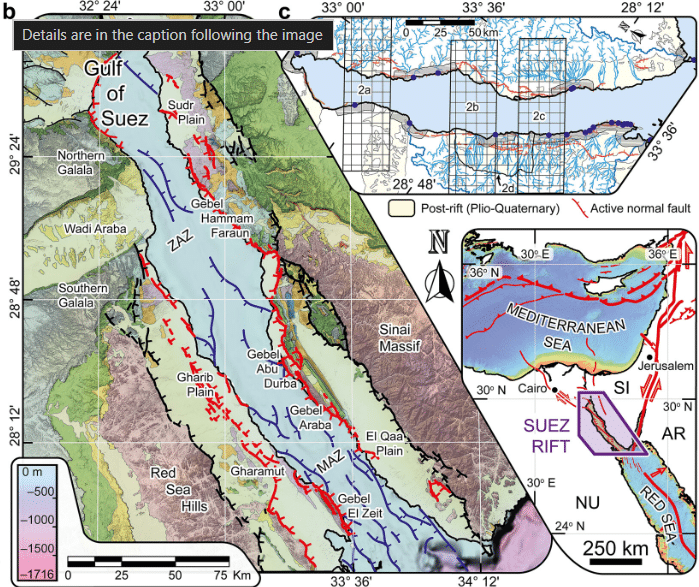
According to a paper published in Geophysical Research Letters, researchers provide compelling proof that the Suez Rift is still tectonically alive, albeit at an extremely slow pace. The team, led by David Fernández-Blanco from the Spanish National Research Council (CSIC), studied deformation patterns along 300 kilometers of the rift valley.
Their measurements indicate a lateral extension rate near 0.55 millimeters per year, along with an uplift rate of about 0.13 millimeters annually. While these figures may appear insignificant on short timescales, over millions of years they point to a persistent tectonic activity.
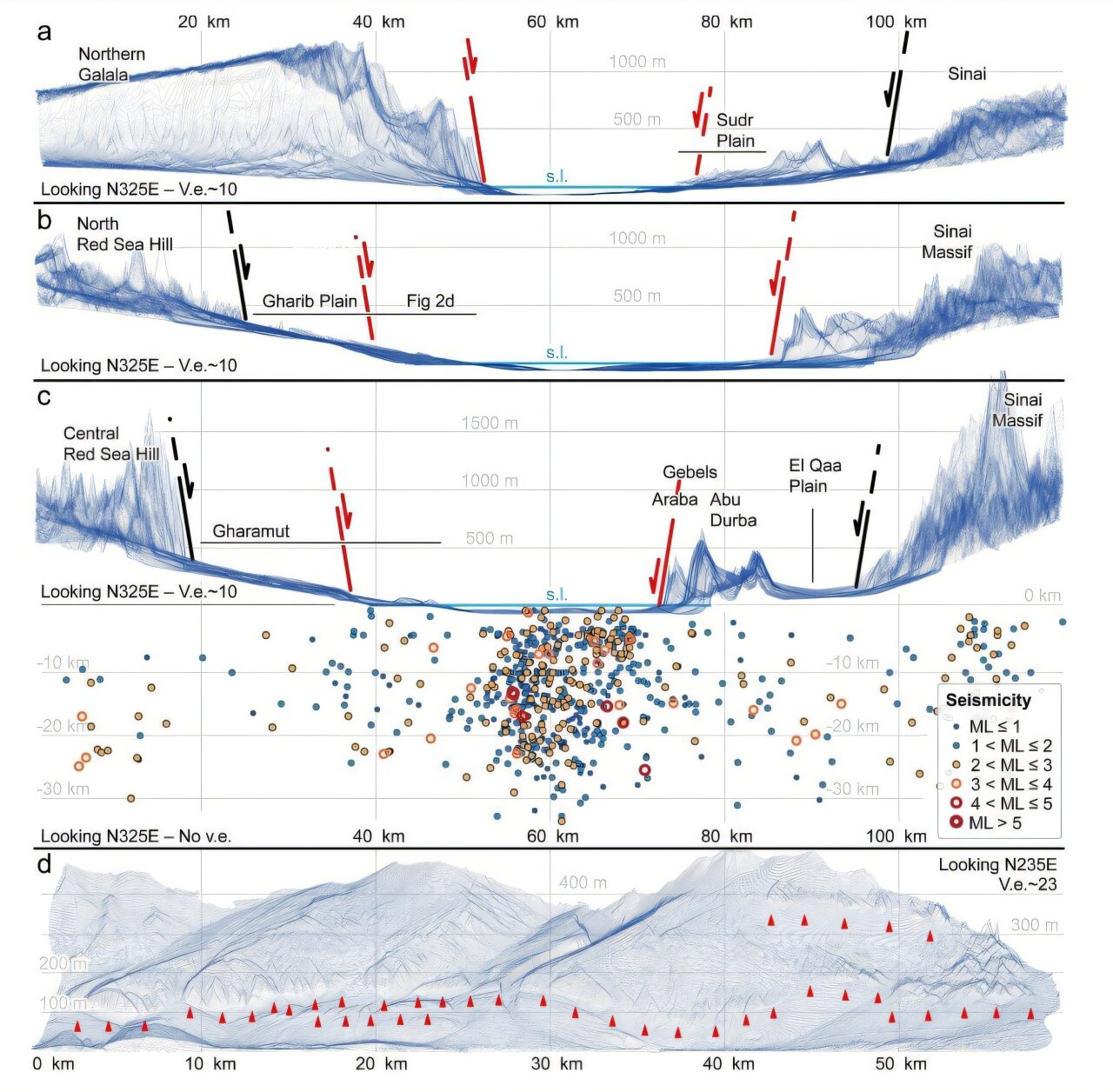
The study involved examining elevated marine terraces and river systems through digital elevation models. Importantly, fossil coral reefs perched up to 19 meters above today's sea level indicate a significant, long-term uplift caused by tectonic forces rather than by sea-level fluctuations or erosion alone.
Concluding their research, the authors affirm that “the Gulf of Suez, previously regarded as tectonically inactive, is undergoing slow but persistent rifting.” This insight contradicts earlier views that classified the rift as dormant.
An Additional Mode of Continental Rift Behavior
The research challenges the conventional understanding that continental rifts either progress fully to ocean formation or die out completely. Instead, the Suez Rift demonstrates a third pathway characterized by sustained, low-rate deformation lacking any clear acceleration in tectonic processes.
This behavior shows similarities to the Basin and Range Province in the western U.S., where crustal stretching happens gradually. In both regions, extension takes place not through dramatic earthquakes but via subtle, continuous rearrangement of the Earth's crust.
The authors propose that this category of slow, extended rifting might be more common than previously identified. Advances in satellite technology and geodetic monitoring now reveal crustal movements invisible to earlier studies.
Seismic data from the Suez area corroborates these findings. Although significant earthquakes are absent in recent history, low-intensity seismic events align with active fault networks, suggesting ongoing accumulation of tectonic stress.
Seismic Implications for a Vital Trade Passage
The continued activity of the Suez Rift holds consequences far beyond theory. The Suez Canal—a critical international shipping artery—passes through this tectonically complex zone. Roughly 12% of global maritime trade depends on this corridor every year.
Given the proximity of industrial hubs, populated regions, and energy infrastructure, even slight seismic hazards could lead to significant disruptions. The study’s results imply that long-term slow crustal shifts should be incorporated into seismic risk assessments, building codes, and monitoring regimes.
A Phys.org summary underscored the importance of these findings, highlighting that renewed tectonic activity along previously quiescent faults could influence how infrastructure vulnerability is evaluated in the Middle East and North Africa.
Though the study does not suggest immediate danger, it calls for additional modeling and careful reevaluation of the region's seismic history to better grasp how tectonic stresses build and release over extended periods.
Insights into Earth's Geological Processes from the Suez Rift
The Suez Rift offers valuable clues about continental rift dynamics over geological epochs. It prompts critical questions about the factors governing the lifespan of ultra-slow rifting zones and why some fractures cease activity while others persist or evolve into oceans.
This research proposes that low-strain tectonic regimes may stay active long after their most intense tectonic phases have ended. These subtle movements are often invisible without advanced detection technology and can affect geological structures well beyond surface features.
Understanding these processes is crucial not only for Earth science but also for resource extraction. Rift areas frequently contain deposits of oil, gas, minerals, and groundwater; their structural changes control how these resources accumulate and migrate, providing guidance for sustainable exploration.
- Categories:
- Science







0 comments
Sign in to Comment