
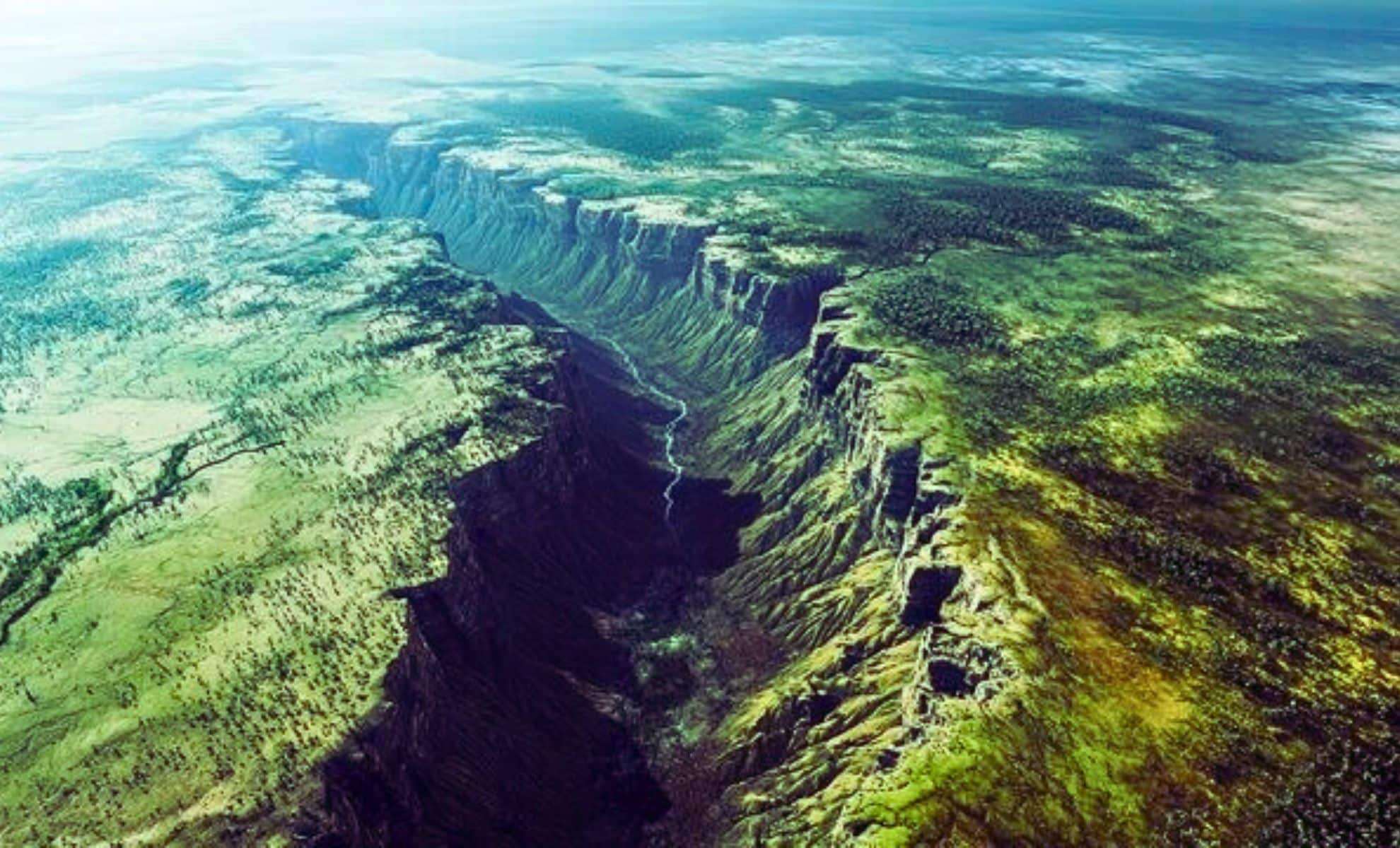
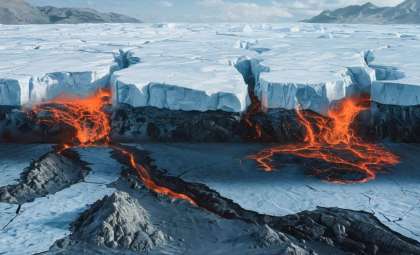
The African landmass is experiencing a remarkable geological evolution that might eventually give rise to a brand-new ocean. Scientists focusing on the East African Rift Valley have detected the tectonic plates under this region gradually pulling apart, potentially isolating eastern Africa from the mainland over time.
While geoscientists have monitored this phenomenon for many years, recent investigations reveal that the rifting process is advancing faster and more noticeably than earlier assumptions indicated. These conclusions are drawn from satellite observations, on-site geological surveys, and extensive seismic studies carried out by organizations including the Geological Society of America and the U.S. Geological Survey.
A Continent Under Strain
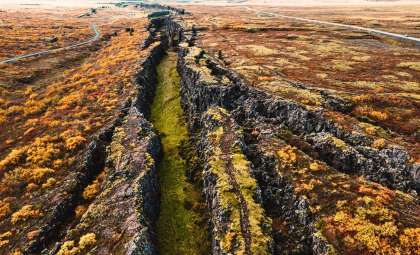
The fracture runs along the East African Rift, an immense geological feature stretching more than 3,000 kilometers from the Afar Triangle in Ethiopia through Kenya, Tanzania, and Mozambique. The African Plate is in the midst of dividing into two separate sections: the Nubian Plate on the western side and the Somali Plate on the eastern side.

This division is driven by tectonic forces comparable to those that shaped the Atlantic Ocean with the breakup of South America and Africa about 180 million years ago. Current estimates suggest the rift widens by a few millimeters annually. Although this seems slow, over geological timescales it results in significant landscape transformation.
Christopher Scholz, a geophysicist at Syracuse University, told NBC News, “East Africa is providing us with a direct glimpse into the fragmentation of continents. Watching this process is like viewing the birth of new seas in real time.”
Visible Signs of Fragmentation
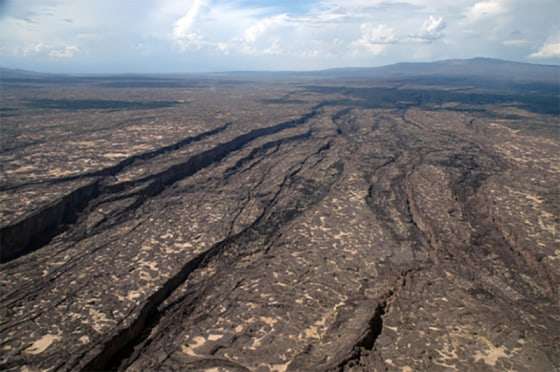
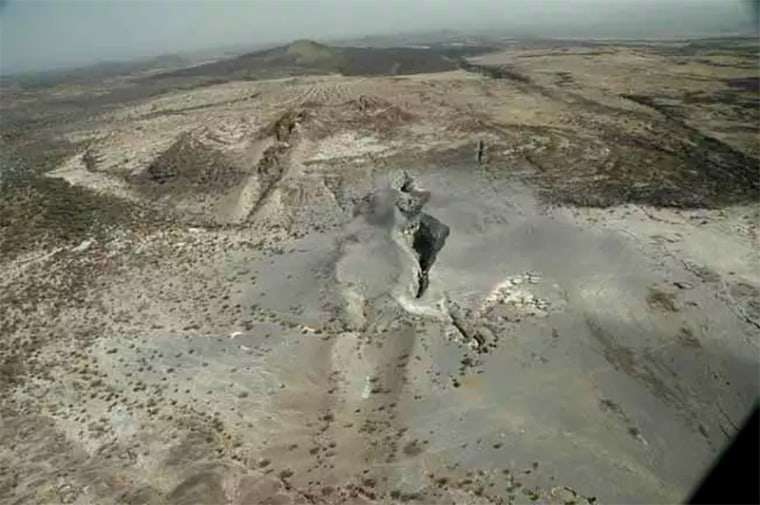
The gradual continental split is evident on the surface. For instance, in 2018, southwestern Kenya saw a substantial fissure open up, extending several kilometers and disrupting roads and farmlands. Initially credited to heavy rainfall and erosion, further analysis attributed it to tectonic movements beneath the crust.
In the Afar Depression of Ethiopia, where the rift converges with the Red Sea and Gulf of Aden, frequent volcanic eruptions and earthquakes reveal the Earth’s ongoing tectonic unrest. This spot, known as a “triple junction,” marks the intersection of three tectonic plates. Satellite images from NASA have tracked the widening valleys and emerging fractures over time.
The Future of the African Rift
Provided the rifting progresses on its current trajectory, experts predict that within 5 to 10 million years, seawater from the Red Sea and Gulf of Aden will flood the rift valley, initiating the formation of a new ocean basin. This event would effectively detach sections of Ethiopia, Kenya, Tanzania, and Mozambique, much like the separation of Madagascar from the mainland today.
Beyond the geological impact, the rift's volcanic activity offers substantial geothermal energy resources, which countries such as Kenya have begun harnessing for electricity. Conversely, earthquakes and land instability continue to challenge local infrastructure and populations residing along the rift zone.
Though this transformation lies far in the future beyond human timescales, the idea that the Earth’s face is continually evolving beneath us captures the imagination. It highlights our planet's restless nature, where continents constantly collide, shift, and sometimes rift apart.
- Categories:
- Science







0 comments
Sign in to Comment