
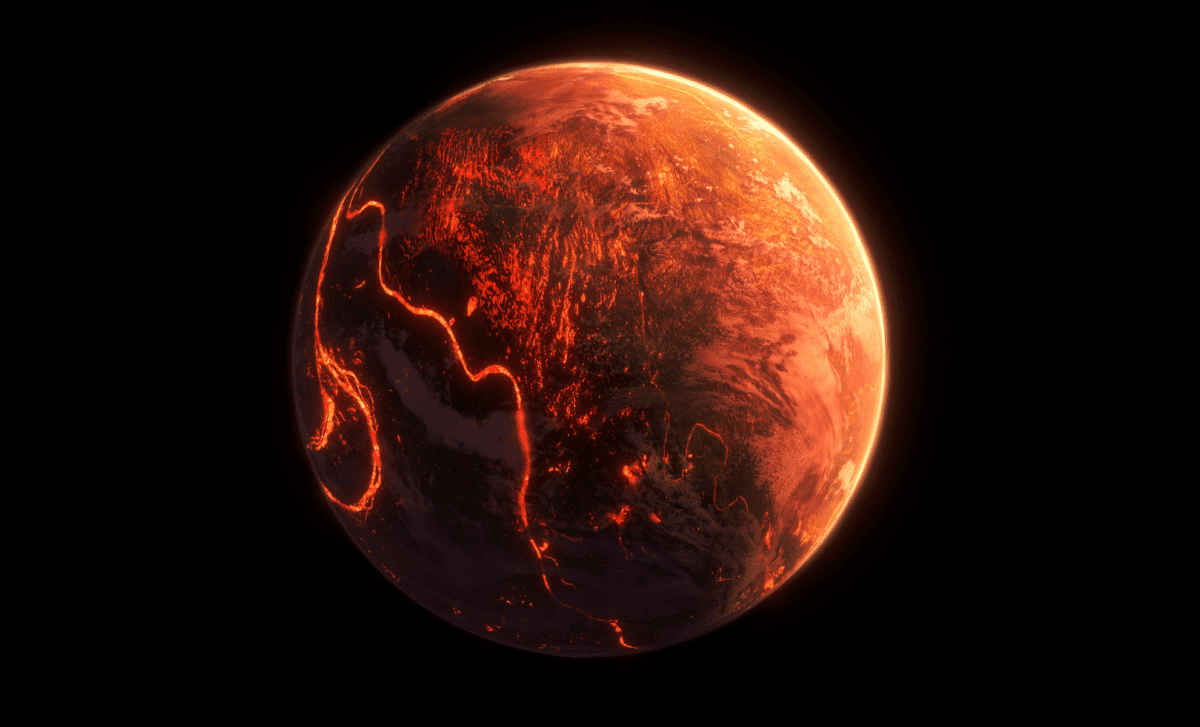
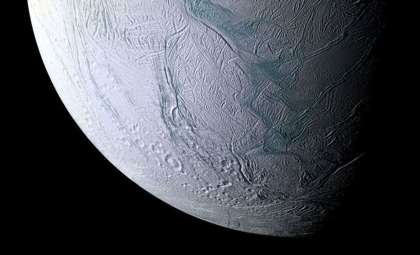
Recent research indicates that beneath the thick ice covering Enceladus, Saturn's diminutive moon, there could be expansive, boiling liquid water oceans. This groundbreaking discovery adds a fresh perspective to the moon’s potential to support life. A study released on Nov. 24 in Nature Astronomy explores these dynamics, uncovering the intricate mechanisms affecting Enceladus' frozen surface. These insights challenge earlier notions about the moon and pave the way for new investigations into its concealed interior.
Enceladus’ Subsurface Oceans: A Surprising Discovery
Enceladus, known for its icy plumes and status as one of Saturn’s smallest moons, has captivated the scientific community for years. Researchers suspected that a liquid ocean lies beneath its ice crust. The latest findings confirm that Enceladus may contain widespread subsurface oceans, possibly reaching boiling temperatures in regions below the surface.
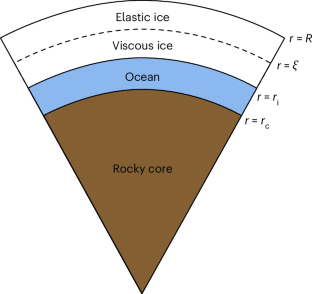
Led by Max Rudolph, an associate professor specializing in Earth and planetary sciences at the University of California, Davis, the research examines how liquid water persists despite the frigid conditions of space. Published in Nature Astronomy, the study highlights tidal heating from Saturn’s gravitational pull as a key factor sustaining these subsurface oceans. These revelations could reshape the search for extraterrestrial life, placing Enceladus firmly among the few bodies with life-friendly conditions.

The Influence of Tidal Heating Beneath the Ice
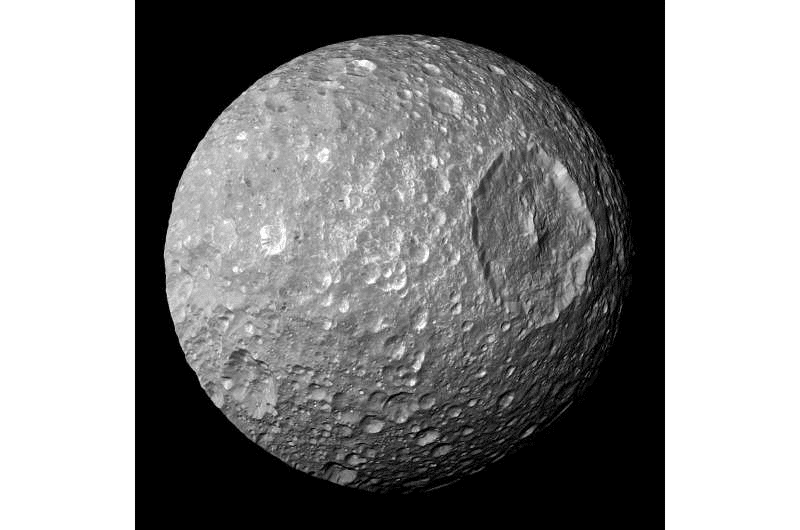
Tidal heating plays a crucial role in preventing Enceladus’ oceans from freezing solid. Gravitational interactions with Saturn and the moon Dione create internal friction and generate sufficient heat to maintain liquid water underneath the ice, which could even cause localized boiling. This energy is produced as the moon flexes and warms due to its orbit.
While tidal heating is a phenomenon observed on other moons, the intensity on Enceladus is remarkable enough to allow for an enduring liquid environment beneath its icy cover. This discovery raises significant questions about the longevity of such habitats and their potential for supporting microbial life in extreme settings.
What This Means for Life Beyond Our Planet
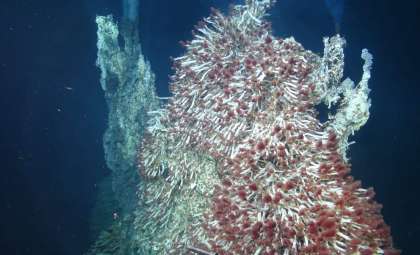
“We know that only some of these moons contain oceans, but their thermal evolution over millions of years fascinates us,” explained Max Rudolph. “By examining Enceladus, we gain insights into the signatures an ocean world might display on its surface.” The presence of boiling subsurface oceans on Enceladus offers a compelling blueprint for how life might survive in isolated, extreme environments. Liquid water paired with energy supplied by tidal heating mirrors conditions found at Earth's deep-sea hydrothermal vents, known to nurture life.
Studying the development of these environments is vital for advancing searches for life in our solar system. Enceladus stands as a prototype that could help us understand the nature of other icy ocean-bearing moons such as Jupiter’s Europa or Saturn's Titan. If life can endure the harsh conditions on Enceladus, comparable habitable processes may exist elsewhere.
Insights into the Evolution of Ocean-Bearing Worlds
The detection of Enceladus’ boiling subsurface oceans transforms the way scientists assess ocean worlds. The focus is shifting from merely locating water to understanding the thermal and geological circumstances that allow it to remain liquid and potentially sustain life. Rudolph emphasizes that learning about the evolution of such moons informs what surface features or signs future exploration missions should target.
Moreover, Enceladus exemplifies how tidal interactions continuously reshape these environments. It is not just the mere presence of liquid water that matters, but the ongoing energy input from planetary and neighboring moon interactions that could keep these ecosystems viable for billions of years.
Looking Forward: Prospects for Future Enceladus Missions
Attention now turns to exploring Enceladus’s hidden oceans in greater detail. While past endeavors like NASA’s Cassini mission yielded invaluable insights, future expeditions aimed at gathering direct samples from below the icy crust pose significant challenges. However, they hold the promise of revealing ocean composition, potential biological activity, and isolated ecosystem dynamics.
Proposed mission concepts include deploying landers or drilling equipment capable of penetrating the ice to extract water samples for chemical analysis, searching for life's fundamental ingredients. Because of Enceladus’ extreme environment, these operations would require advanced technology and precise execution strategies.
- Categories:
- News









0 comments
Sign in to Comment