
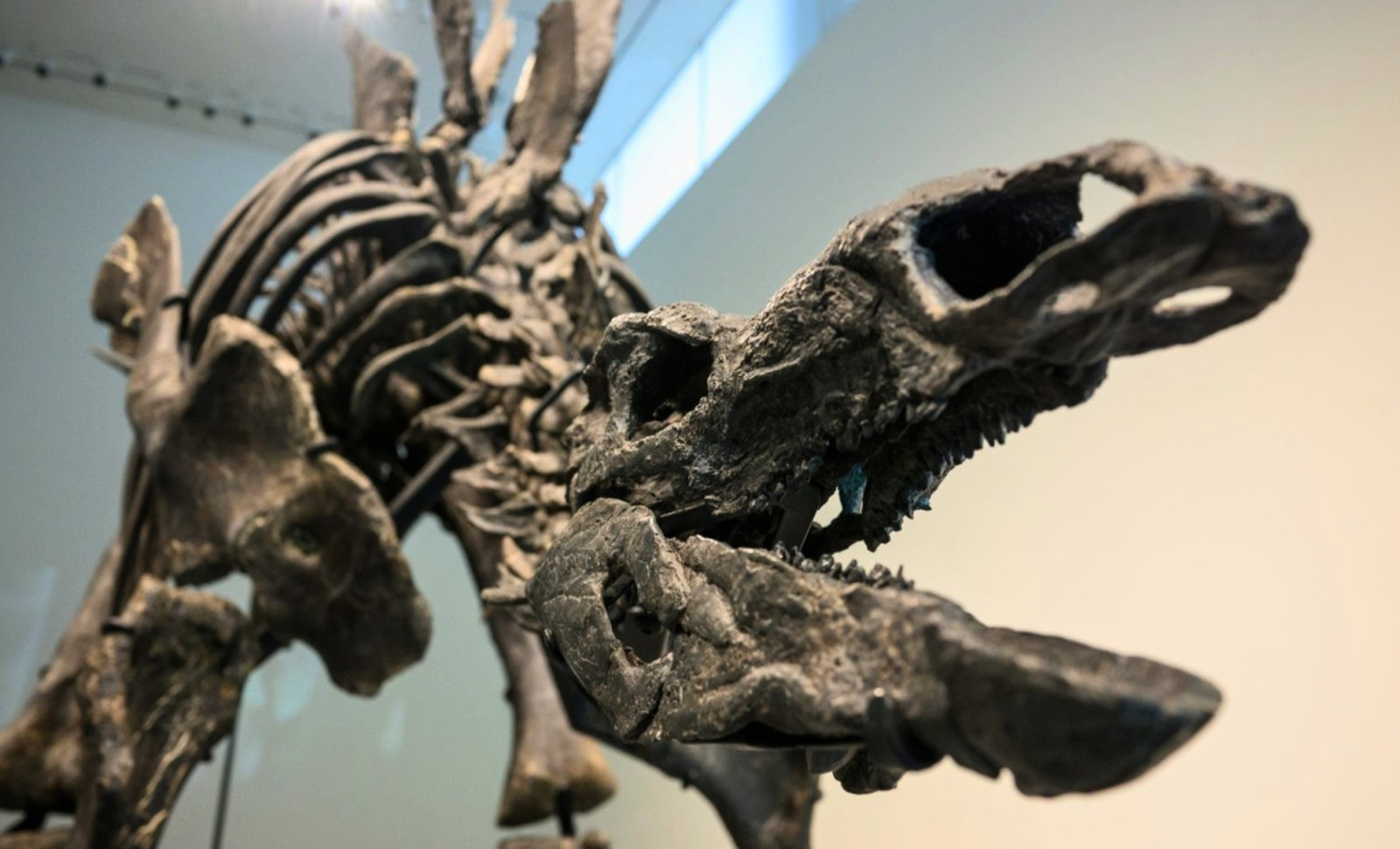
Dinosaur skulls rarely tell the full story. Their fragile, loosely connected bones often scatter quickly after death, leaving scientists with mere fragments that hint at shape but rarely confirm it. For stegosaurs, the armored dinosaurs that once roamed regions including Europe, Africa, and the Americas, well-preserved skulls have been notoriously elusive.
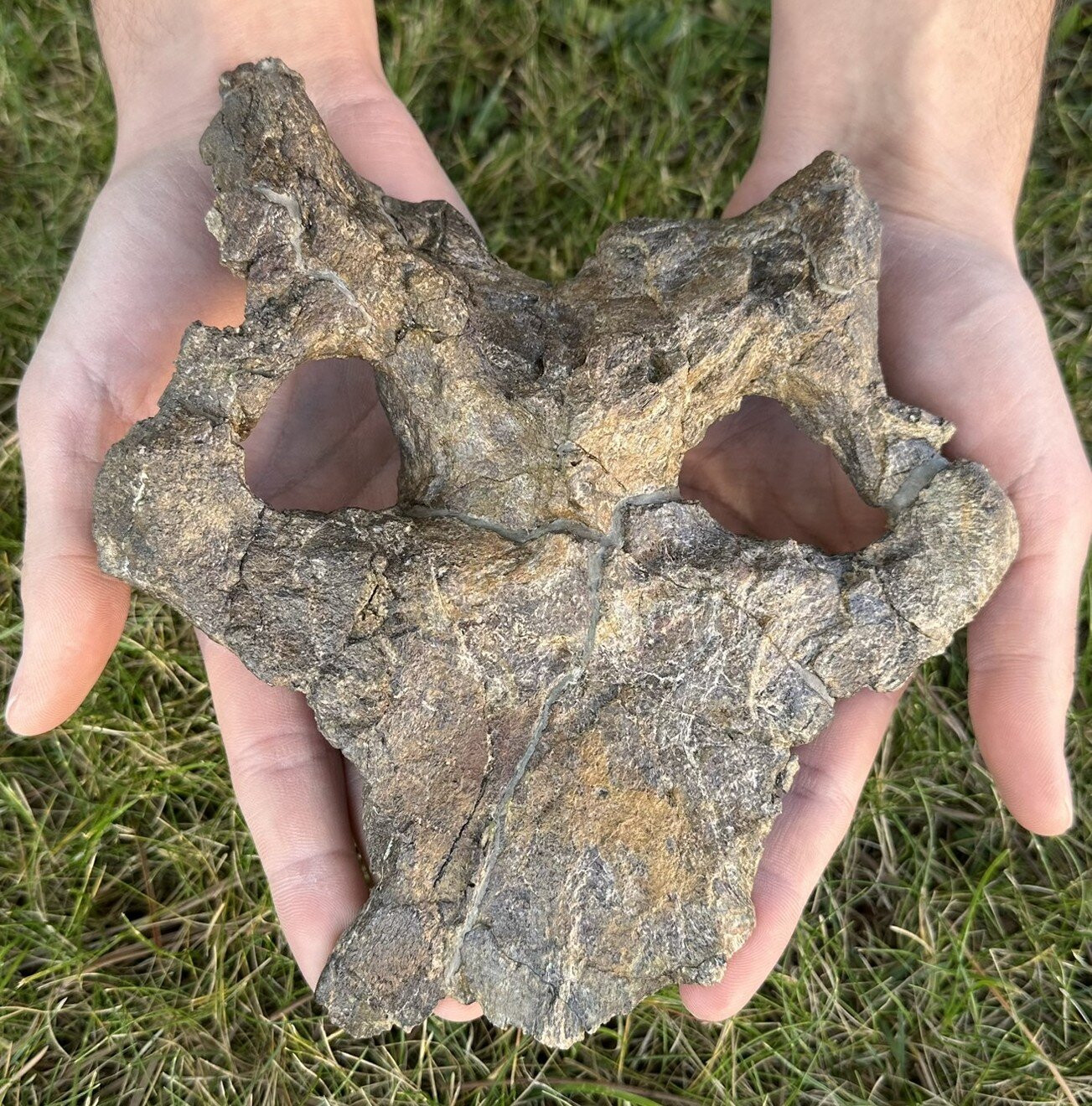
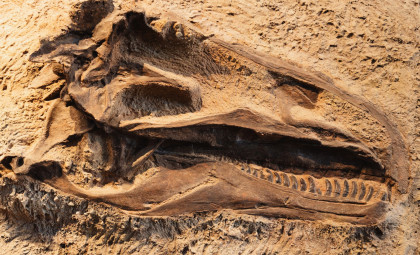
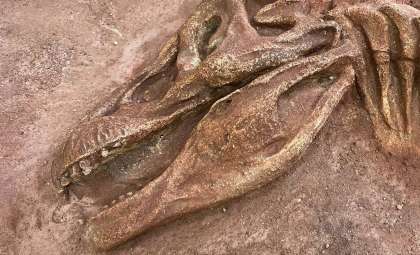
This changed dramatically in Riodeva, a small town in Spain’s Teruel province, where archaeologists excavating the "Están de Colón" site uncovered a partially intact skull embedded in Late Jurassic rock. This skull preserved features such as a complete snout shape, a discernible braincase, and detailed facial bone structures—data that allows scientists to accurately reconstruct the dinosaur’s appearance and head function rather than rely on mere speculation.
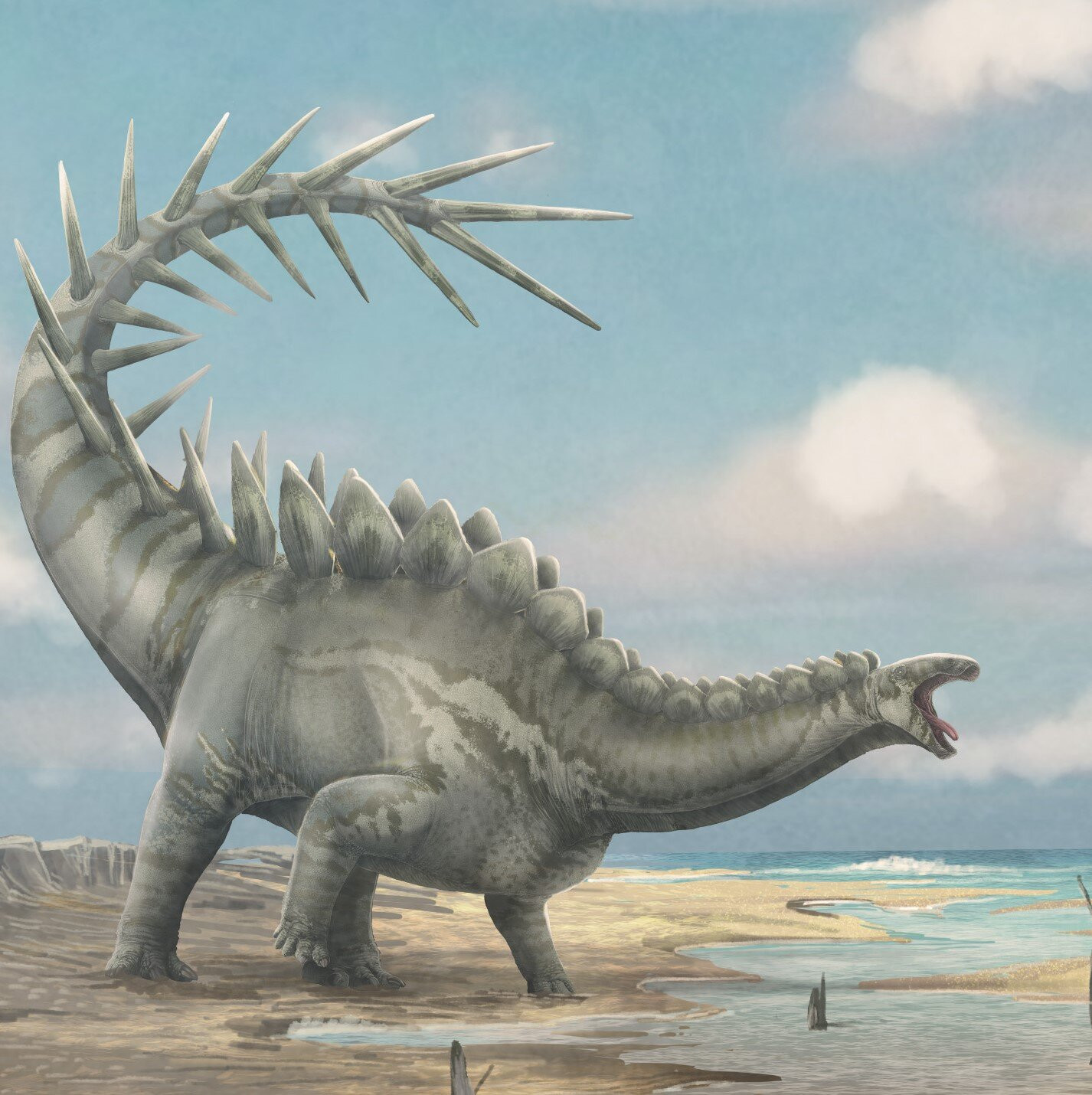
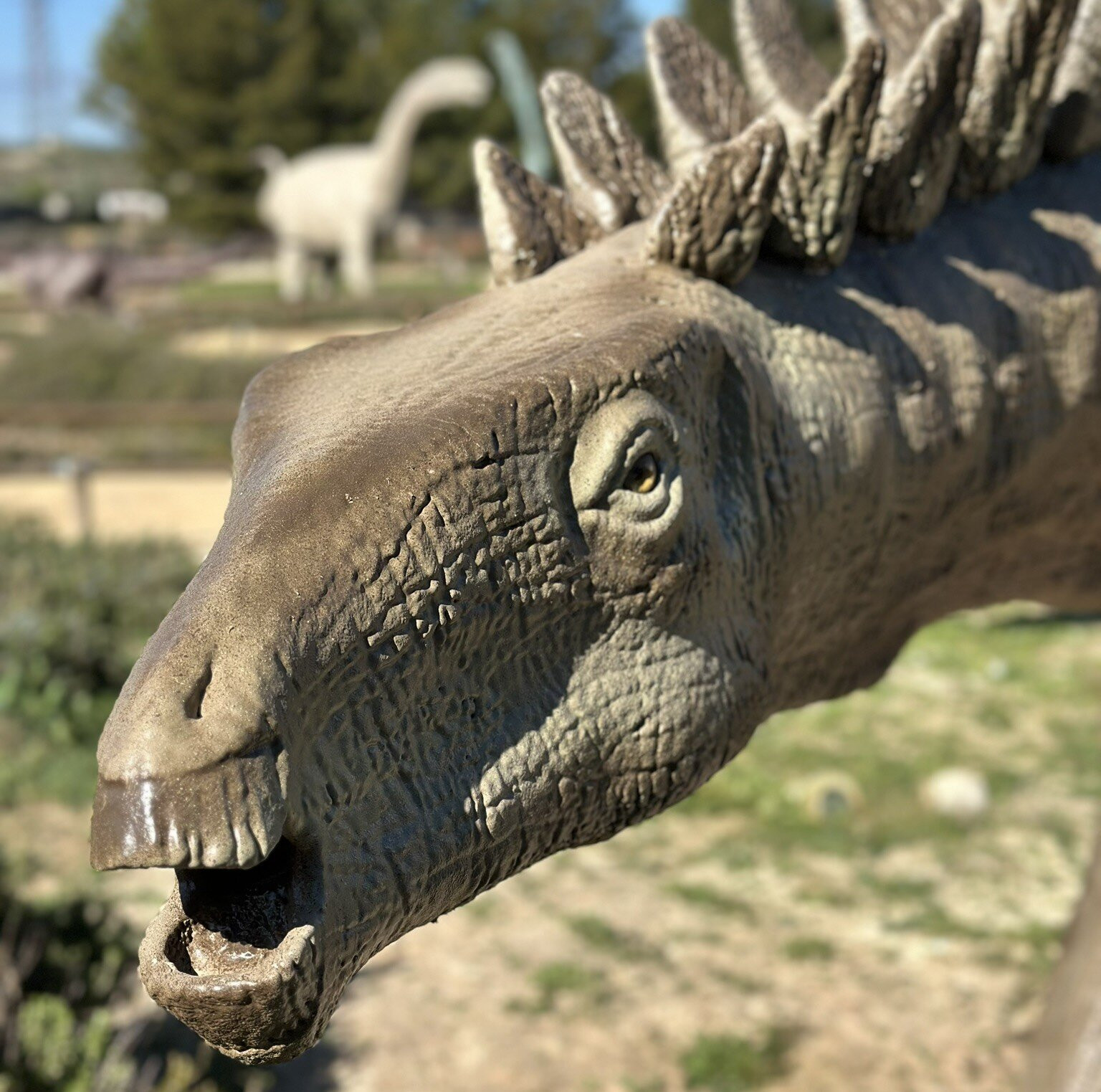
The fossil is attributed to Dacentrurus armatus, the species that has defined the European stegosaur record since it was first described in 1875. The excavation and research, led by the Fundación Conjunto Paleontológico de Teruel-Dinópolis, have produced what is the continent’s most complete stegosaur skull specimen. The results were published in the peer-reviewed journal Vertebrate Zoology, commemorating 150 years since the species’ original scientific recognition.

Solving 150 Years of Stegosaurian Mysteries with One Skull
The find is remarkable for its completeness alone, but the team gleaned much more from it.
Detailed analysis of the Riodeva skull enabled identification of a new autapomorphy—a unique characteristic exclusive to Dacentrurus armatus that differentiates it from all other stegosaurs. While the precise feature remains unnamed in the report, its discovery prompted a formal revision of the species’ scientific diagnosis, a key tool in distinguishing fossils of this species from others.
Updating species diagnoses impacts evolutionary studies since these definitions form the basis of phylogenetic trees. Errors in diagnosis can ripple through scientific interpretations. Thanks to this exceptionally preserved skull, researchers had the first chance in over a century to verify and refine the classification of Dacentrurus armatus.
"Thorough examination of this unprecedented fossil has uncovered previously unknown anatomical details of Dacentrurus armatus," stated lead scientist Sergio Sánchez-Fenollosa in a release. The skull was recovered from the Villar del Arzobispo Formation, dating back around 150 million years to the Late Jurassic, through fieldwork conducted by Fundación Dinópolis and collaborators in Teruel.
Reconstructing the Stegosaur Family Tree
The study extended beyond anatomy. Incorporating the new skull data, the team generated an updated stegosaur dataset and conducted a fresh phylogenetic analysis using Maximum Parsimony methods to determine evolutionary relationships. This analysis challenged some previous assumptions.
Earlier research had suggested grouping Stegosaurus, the iconic North American genus, with Wuerhosaurus, a genus from China, into a single clade based on shared morphological elements. However, this new work maintains that these two genera deserve separate taxonomic status, reversing a classification that had gained traction.
Additionally, the team formally introduced a grouping termed Neostegosauria, encompassing medium to large stegosaurs found across Africa and Europe during the Middle and Late Jurassic, North America throughout the Late Jurassic, and parts of Asia into the early Cretaceous. Within this framework, Isaberrysaura mollensis was reaffirmed as a stegosaur within the Huayangosauridae family, and Mongolostegus exspectabilis was evaluated phylogenetically for the first time.
This last finding suggests that some early stegosaurids may have survived in Asia significantly longer than previously thought, extending their temporal range into the late Early Cretaceous period.
More Discoveries Await Beneath the Surface
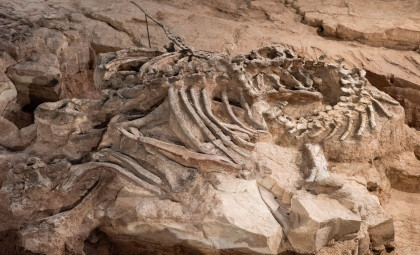
While the skull is the centerpiece, Riodeva’s "Están de Colón" site continues to offer scientific treasures. Excavations have uncovered additional postcranial bones from the same adult individual, currently under study, as well as rare juvenile specimens of Dacentrurus armatus.
Locating both adult and juvenile remains from a single population is rare in stegosaur research and holds immense scientific importance. Juvenile fossils alongside adults enable researchers to examine growth-related skeletal changes, distinguishing developmental variation from true species differences.
This clarification addresses long-standing challenges in dinosaur classification, where juvenile specimens have occasionally been mistaken for separate species. The fossil assemblage at Riodeva offers a unique chance to study the ontogeny of Dacentrurus armatus in a way no other European site has permitted.
More detailed reports are anticipated as research on these additional finds progresses.
- Categories:
- Science


0 comments
Sign in to Comment