

A team from Finland’s University of Jyväskylä has identified the nation’s inaugural giant virus, named Jyvaskylavirus. The findings appear in a study published by eLife on April 16, 2025. Approximately twice as large as influenza or coronavirus particles, this virus broadens the known distribution of giant viruses and prompts a fresh look at their impact on northern soil and aquatic ecosystems.
What Sets Giant Viruses Apart From Regular Viruses
Giant viruses are distinct from typical viruses due to their substantial size and complex genomes, which can rival those of certain bacteria. Unlike viruses targeting humans or animals, they usually infect amoebae and single-celled organisms.
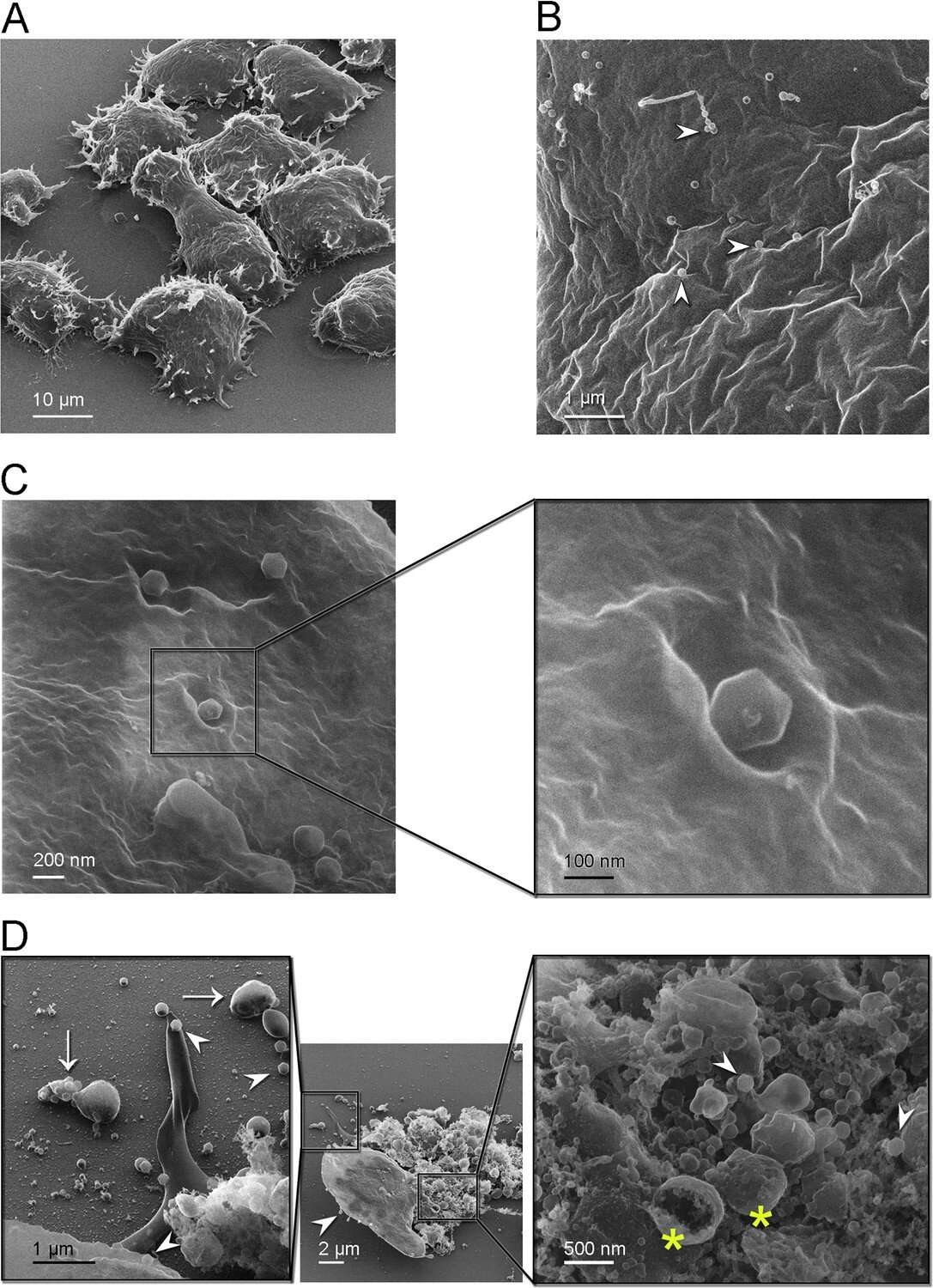
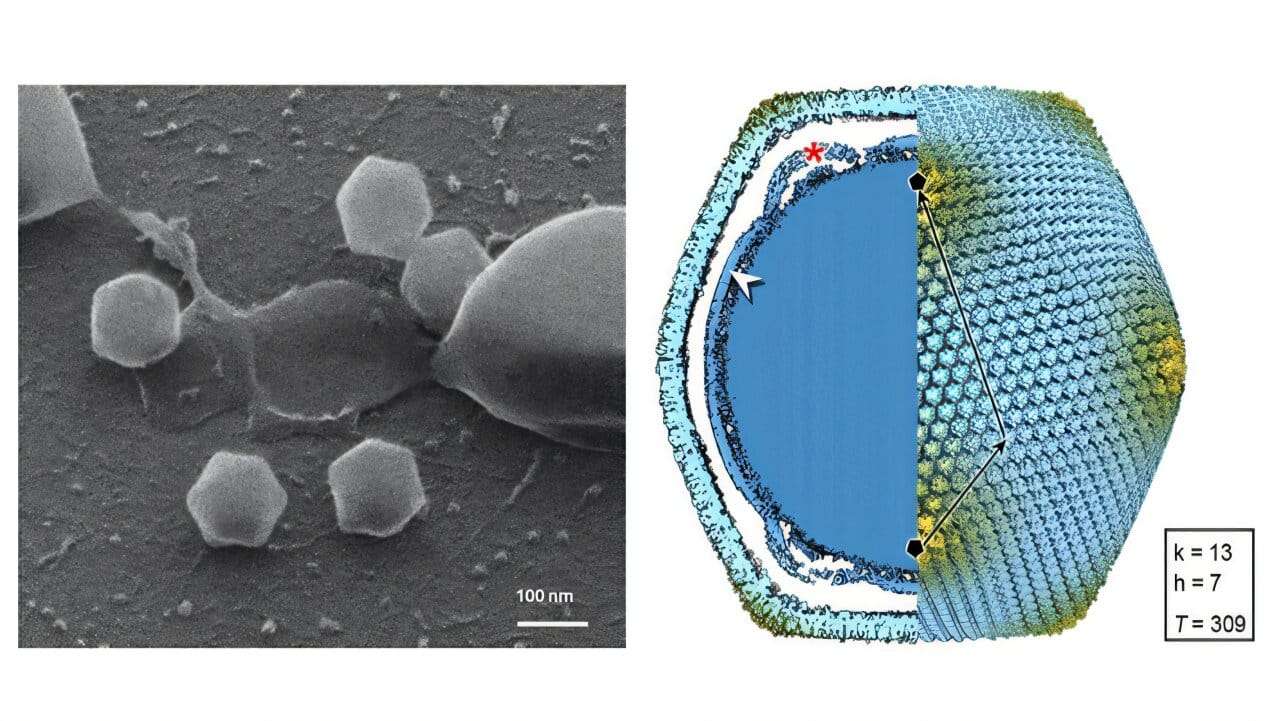
The Jyvaskylavirus measures nearly 200 nanometers across, nearly double the diameter of common viruses causing seasonal influenza. Though invisible to the naked eye, its comparatively large size classifies it among the so-called “giant” viruses.

The expansive genomes often include genes previously attributed only to cellular life, which challenges conventional distinctions between viruses and living cells and propels ongoing debates regarding their evolutionary background.
Uncovering Jyvaskylavirus
Researchers from Jyväskylä’s Nanoscience Center collected environmental samples and combined them with cultures of Acanthamoeba castellanii, the typical host organism. They isolated the virus and applied helium ion microscopy plus genomic sequencing for thorough analysis.
Findings revealed Jyvaskylavirus shares a genetic connection with Marseilleviruses, a giant virus family previously identified in France. This link implies these viruses may have a wider geographic distribution than previously recognized, hinting at either shared ancestry or convergent evolution across Europe.
The study benefited from international cooperation, underscoring the worldwide interest in giant virus research and classification.
Hidden Viral Communities in Cold Northern Zones
Historically, giant viruses have been found primarily in temperate and tropical habitats, such as lakes in Europe and wetlands in South America. The discovery of Jyvaskylavirus in a boreal northern environment challenges previous beliefs about their range and indicates these viruses could be more prevalent in cold soils and waters than assumed.
Professor Lotta-Riina Sundberg, microbiologist and study co-leader, highlighted that this find enhances understanding of how giant viruses influence microbial ecosystems, likely helping to regulate amoeba populations.
“Through an international collaboration, we elucidated the genome and structure of the Jyvaskylavirus, which was found to be related to Marseilleviruses previously isolated from France. Other new giant viruses were also detected in environmental samples.” This finding is consistent with growing scientific interest in “viral dark matter”.
Potential Breakthroughs From Giant Virus Research
Investigation of giant viruses like Jyvaskylavirus offers valuable insight into host-virus interactions, genome complexity, and the processes of evolution. Their unique features hold promise for advancements in biotechnology, including applications in gene editing and synthetic biology.
Further exploration of soil and water ecosystems and the giant viruses within them could enable scientists to refine ecological models and uncover novel bioactive substances with potential medical or industrial uses.
This research reinforces the evolving perspective that viruses are not merely disease-causing agents but play integral roles in ecosystem structure and functionality.
- Categories:
- Science












0 comments
Sign in to Comment