
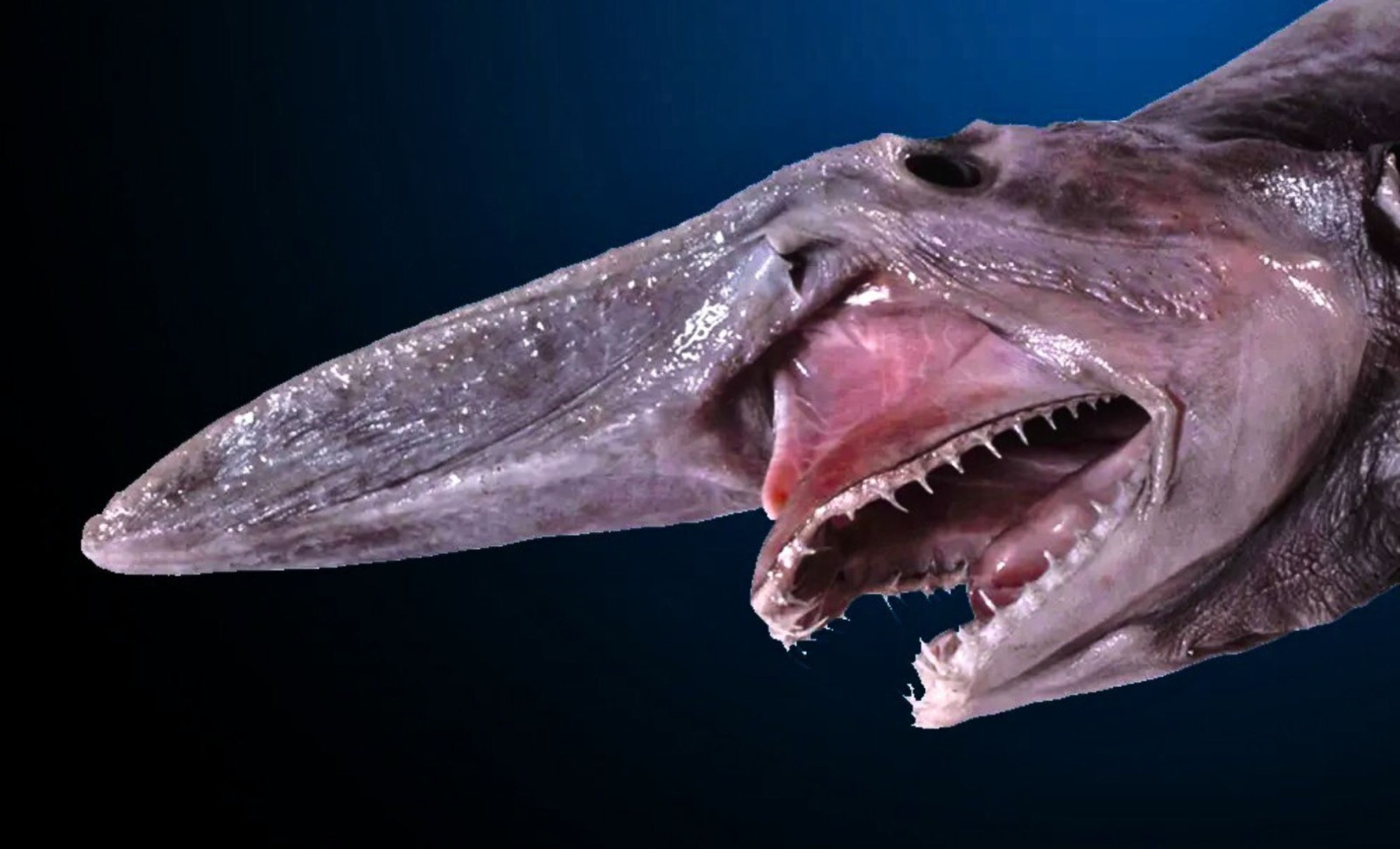
The goblin shark (Mitsukurina owstoni) stands out as one of the ocean's most peculiar and enigmatic hunters. Dwelling far beneath the surface and seldom observed, this species has captivated scientists due to its remarkable physical traits. Recent investigations have now uncovered that it wields one of the swiftest jaw movements ever documented among fish.
Researchers examining rare deep-sea footage in recent years revealed a unique, ultra-fast feeding technique labeled slingshot feeding. This rapid strike allows the shark to catch prey without relying on body speed or prior acceleration. This discovery sheds light on how slow-moving predators can efficiently hunt in environments where energy investment is critical.
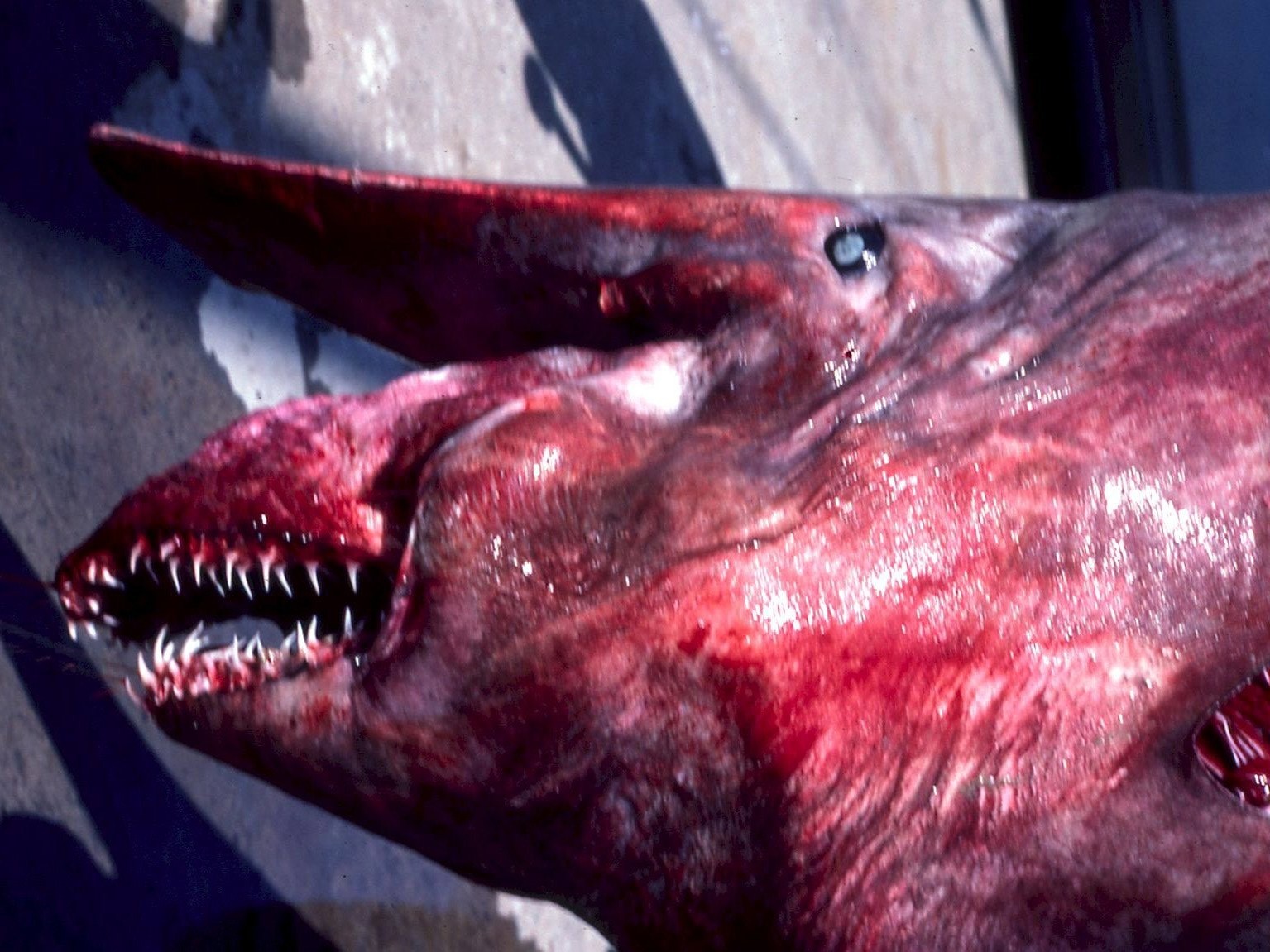
Captured by the Okinawa Churashima Foundation and analysed by a team from Hokkaido University, the footage reveals the shark's jaws shooting forward at a velocity of 3.1 metres per second. Impressively, this forward projection accounts for nearly 10 percent of its body length, enabling the shark to seize prey normally beyond reach. This jaw extension is the fastest recorded among all sharks and ranks among the most extraordinary in fish species overall.

First discovered in 1898, the goblin shark has remained largely mysterious due to its deep-sea habitat, ranging between 250 and 1,200 metres below sea level. Recent insights position this species as crucial for unlocking the mechanisms behind predator strategies in these extreme ocean zones.
Unrivalled Jaw Speed
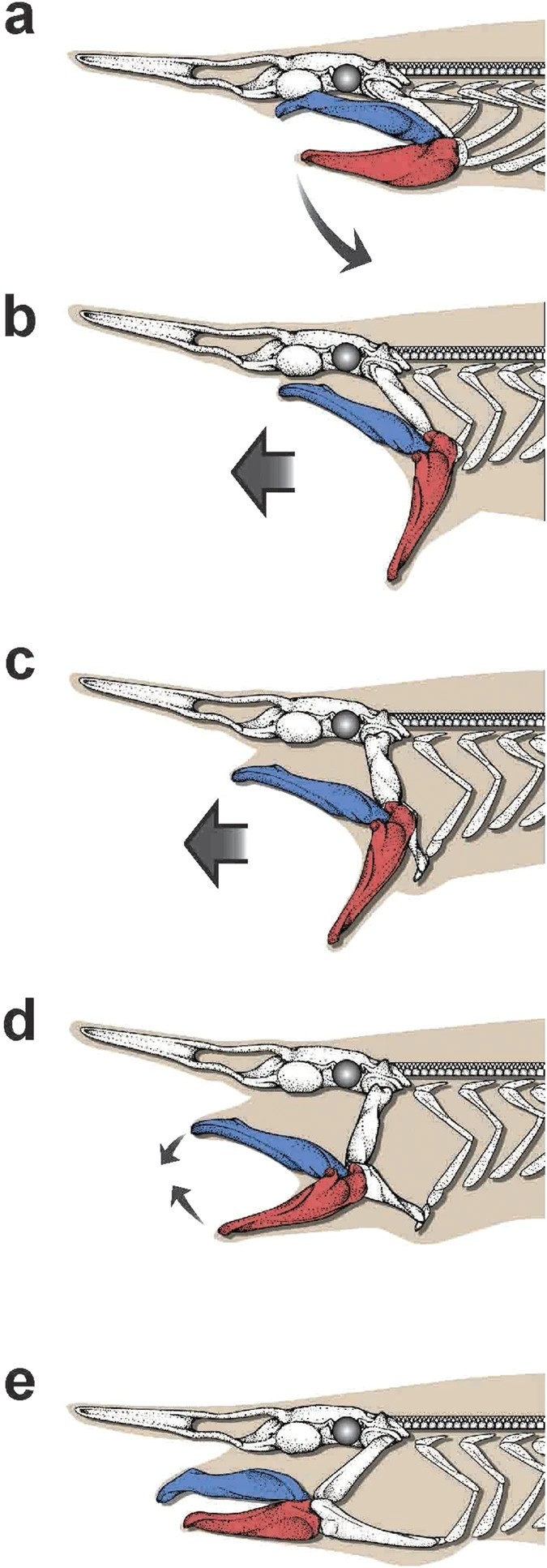
A peer-reviewed article published in Scientific Reports scrutinized high-speed videos documenting five feeding attacks by two goblin sharks. The researchers noted that the jaw's movement unfolds in a rapid, multistage process comprising mouth opening, jaw extension, swift closure, followed by a secondary open-close action during jaw retraction.
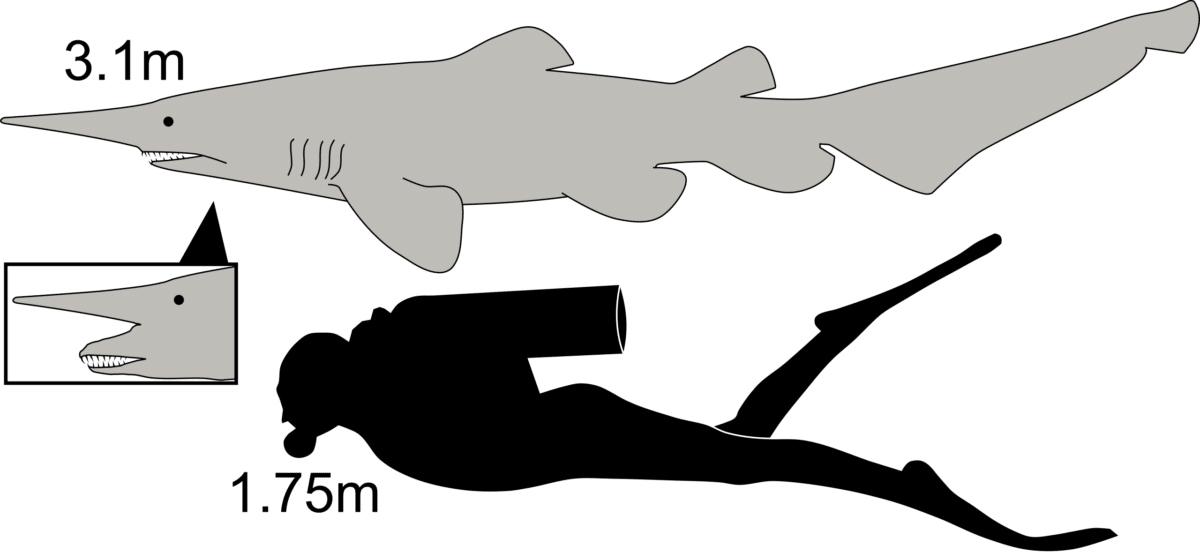
Moving at 3.1 metres per second, this jaw strike speed outpaces all earlier documented fish jaw movements. The jaw extends between 8.6 to 9.4 percent of the body length, far exceeding the 1–2 percent extension typical of other shark species. These observations were made through direct live footage rather than laboratory dissections or theoretical models, offering valuable behavioral evidence.
The study identified specialized ligaments within the jaw that act as energy reserves, releasing stored tension to power the strike, much like a stretched rubber band. This mechanism allows the shark to execute an explosive bite without considerable motion from its body.
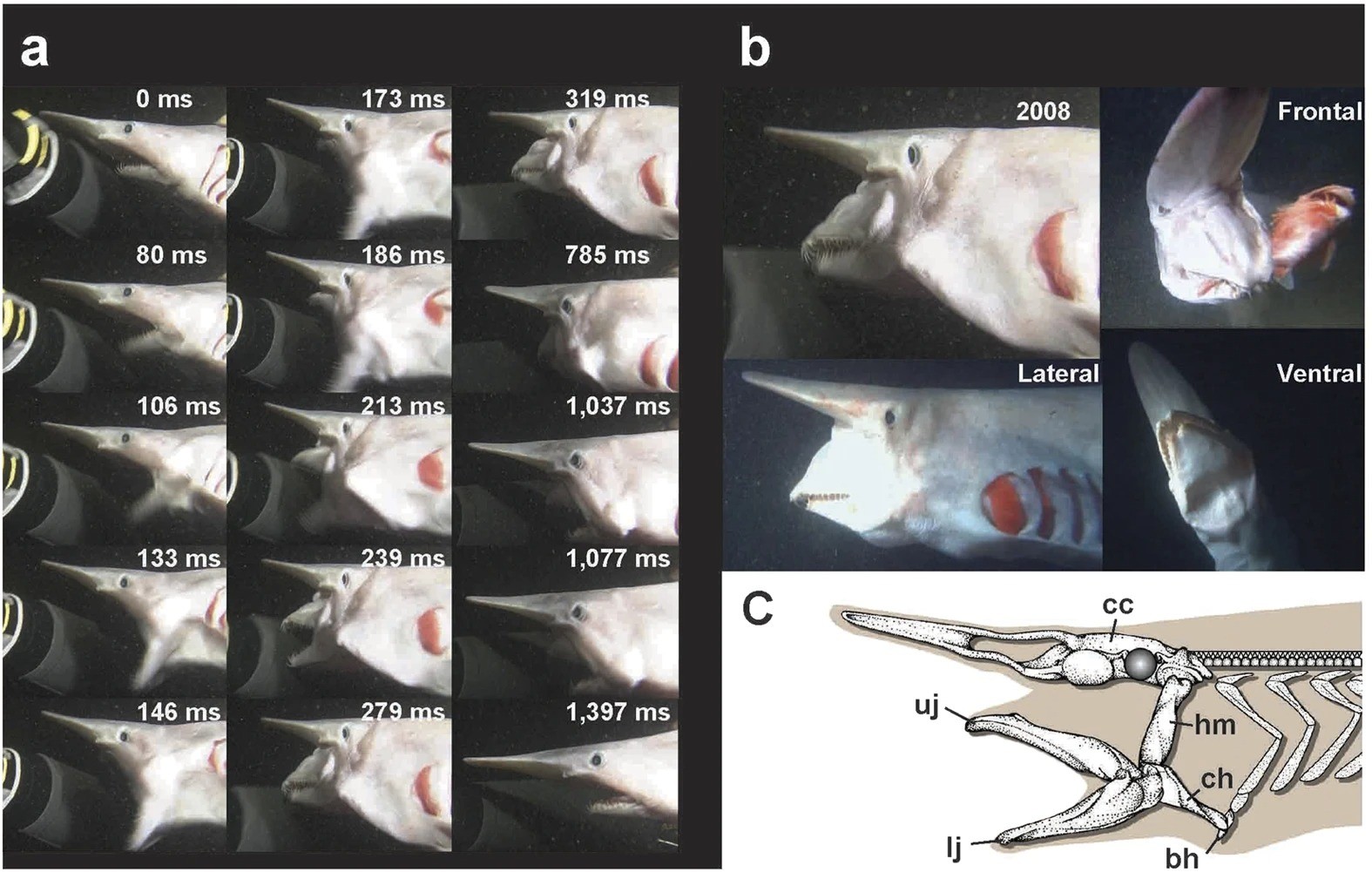
Interestingly, the research also observed a secondary mouth movement during the jaw's retraction, the purpose of which remains unknown and warrants future study. A detailed overview of this research is available on EurekAlert, a leading platform for scientific news affiliated with the AAAS.
Tailored for Low-Energy Environments
The goblin shark’s sluggish swimming style suits its deep-sea surroundings, where pressures soar, temperatures plummet, and food is scarce. Energy efficiency is vital for survival. Between meals, the shark conserves energy by minimizing body movement, relying instead on its specialized jaws to perform swift, unexpected strikes.
According to the U.S. Fish & Wildlife Service, this shark’s slow and efficient swimming is supported by buoyancy adaptations like high concentrations of low-density fats in its muscles and liver. Complemented by a long tail and elongated upper caudal fin, these features facilitate steady, low-energy locomotion.
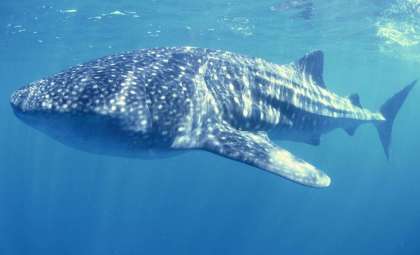
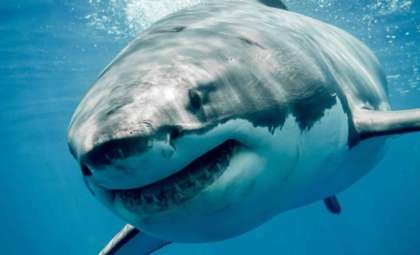
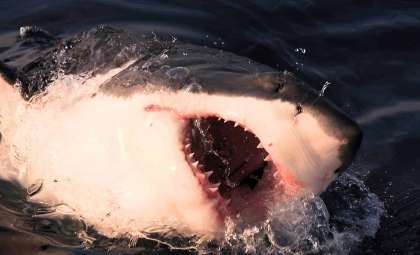
Instead of chasing prey vigorously, goblin sharks rely on stealth and sudden ambush to hunt—an effective tactic in the deep sea that contrasts sharply with the aggressive, high-speed hunting seen in shallow-water sharks like whites or makos.
Electric Sense Sharpness
The goblin shark’s distinctive extended snout houses clusters of ampullae of Lorenzini, specialized electroreceptors detecting faint electrical impulses from other creatures. This advanced sensing system grants the shark an edge in the pitch-dark depths, allowing precise prey detection even when visibility is nearly zero.
The Australian Museum notes that the underside of the goblin shark’s snout is densely covered with pores, indicating exceptional sensory capability. Although many shark species have electroreception, the goblin shark features a particularly concentrated array, helping it locate squids, fishes, and crustaceans in murky waters.
This shark’s feeding strategy aligns with its body design—the jaws tuck back underneath the eyes when idle, preserving a sleek shape. When extended, the jaws drastically alter the shark’s silhouette, exposing rows of sharp, slender teeth ideal for gripping soft-bodied prey. Studies from Japanese waters have found bony fish and squid remains in their stomachs, confirming a diverse diet among benthic species.
Scientific Insights From Elusive Ocean Hunters
Observations of goblin sharks in their natural habitat are scarce. Much of the existing knowledge derives from incidental captures by deep-sea fisheries. Documented sightings span the Atlantic, Pacific, and Indian Oceans, including areas near Japan, South Africa, and Australia. The full extent of their range remains uncertain due to limited access to their deep-sea environment.
Researchers emphasize that the goblin shark is the lone living member of the ancient family Mitsukurinidae, which dates back more than 125 million years. This makes it a valuable species for studying both shark evolution and adaptations to deep-ocean life.
Despite its somewhat menacing appearance, there are no confirmed cases of goblin sharks posing a threat to humans. Their deep-water dwelling and rarity significantly lower encounters. Many aspects of their biology, including reproduction, population dynamics, and responses to environmental shifts, still need further scientific exploration.
- Categories:
- News









0 comments
Sign in to Comment