
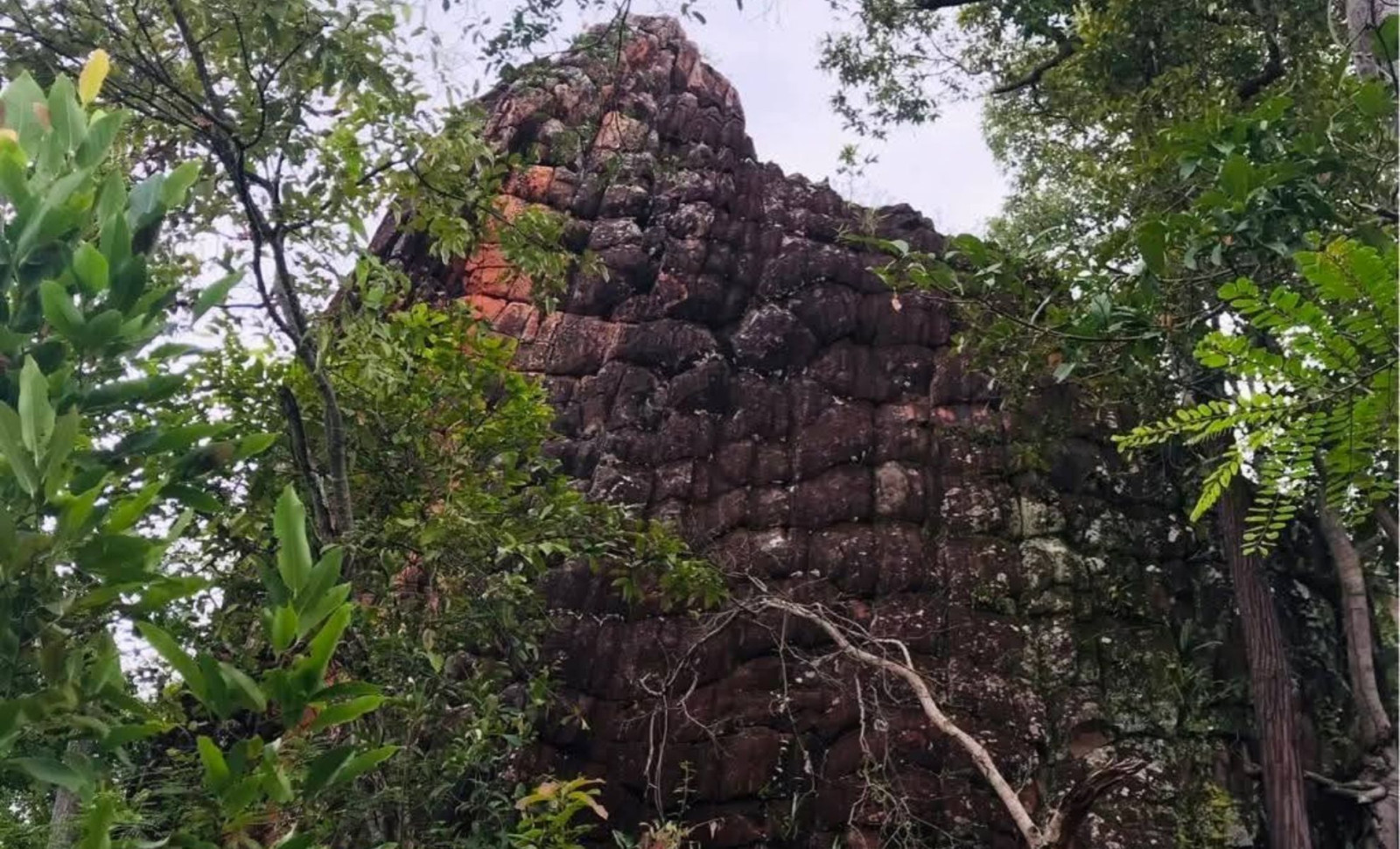
During a routine expedition in northern Thailand, wildlife rangers made an extraordinary archaeological find. Within Phu Khat Wildlife Sanctuary, the team discovered a previously unknown cave adorned with ancient petroglyphs, believed to date back approximately 2,000 years, hidden deep within dense forestland.
The finding occurred from August 14 to 16, 2025, as rangers conducted regular anti-poaching patrols and animal monitoring along the Khwae Noi River area. What began as a standard conservation task soon turned into a remarkable prehistoric revelation when the group encountered a sandstone cave featuring distinct signs of early human presence.
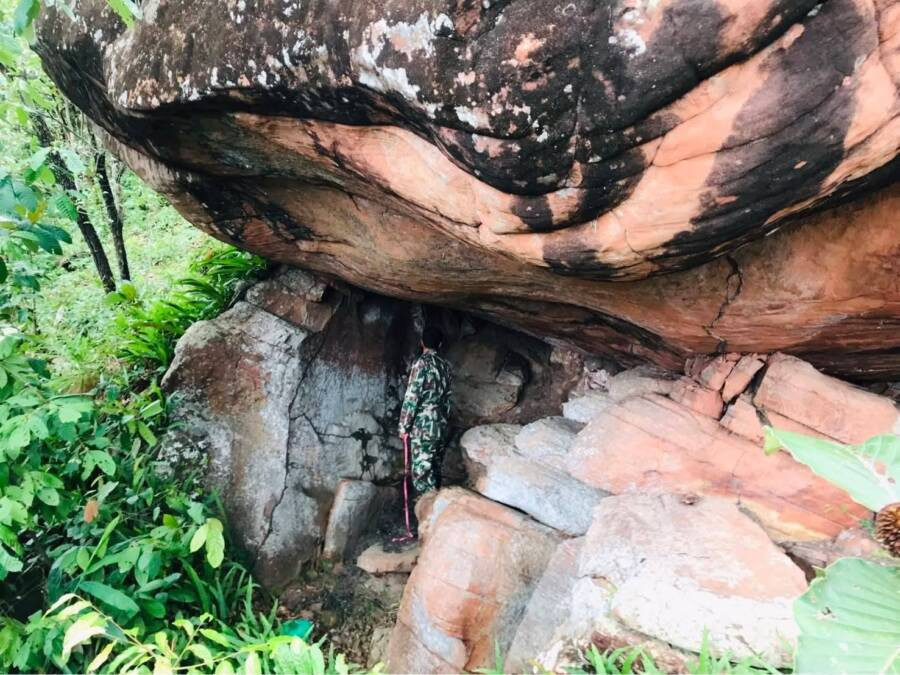
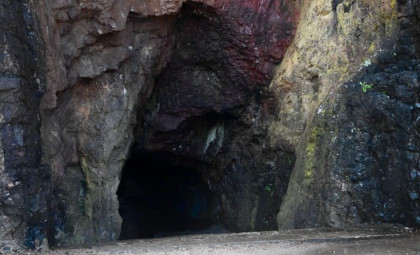
Designated Tham Ta Kueng or Ta Kueng Cave, this site has yet to undergo formal archaeological examination. Authorities have lauded the discovery as significant but emphasize that the current conclusions are preliminary and require comprehensive analysis to verify the cave’s age and cultural context.

An Unexpected Find in a Remote Wilderness
Situated deep within the forests of Nakhon Thai District in Phitsanulok Province, the cave was stumbled upon as rangers patrolled the Khun Nam Ton, Ang Khon Kaen, and Tam Takung forest zones. This unanticipated discovery emerged amid their ongoing environmental protection efforts.
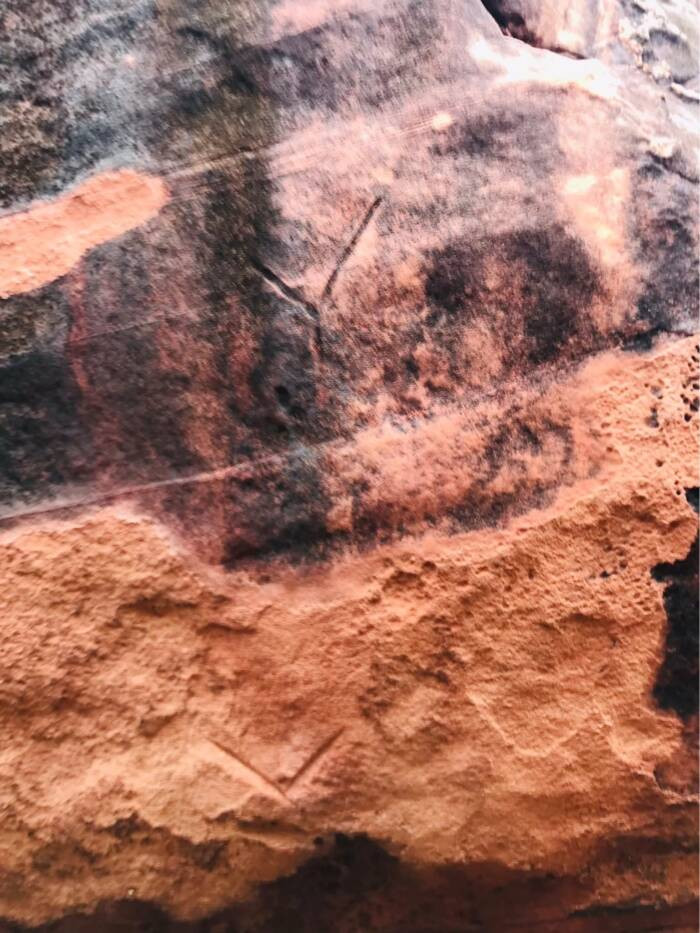
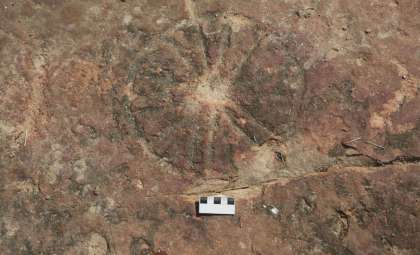
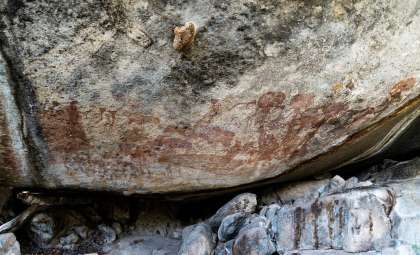
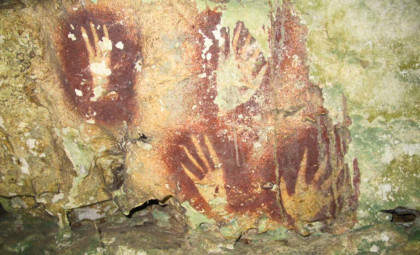
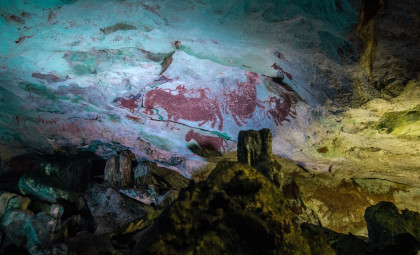
In a translated statement, the Department of National Parks, Wildlife and Plant Conservation reported that detailed observation revealed traces of ancient human use. The sandstone walls bear prehistoric carvings displaying geometric designs along with intriguing motifs identified as “three-finger patterns.”
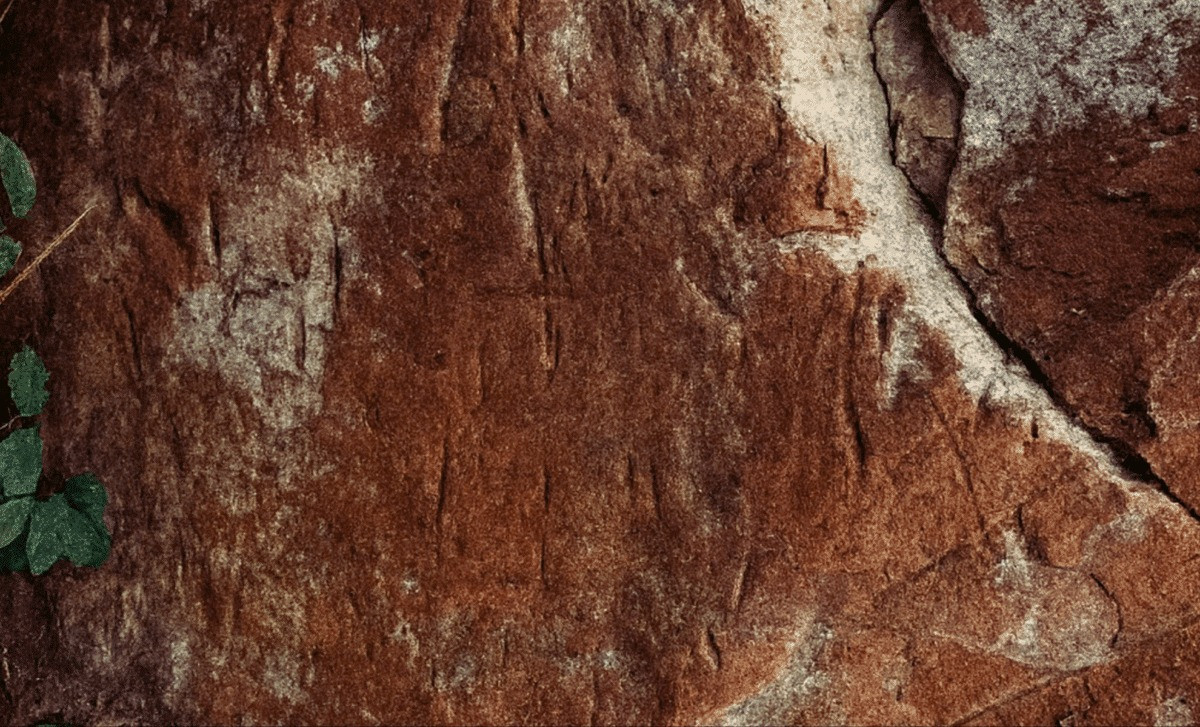
Officials estimate the cave’s occupation to date back roughly 2,000 years, corresponding to Thailand’s prehistoric Metal Age. However, no archaeological teams have yet documented the site, leaving these estimations preliminary.
Distinctive Rock Engravings
The rock carvings have garnered interest for their unique characteristics, differing from those found in other northern Thai archaeological locations. Archaeology News shared that Mongkol Khamsuk, director of Phu Khat Wildlife Sanctuary, regarded the cave as both a precious natural asset and a vital cultural treasure.
“The cave is a significant natural resource and it remains a cultural and historical landmark. More research will enable us to know more about the stories of this land, its ecosystems, and the people who may have lived here in the past.”
The cave’s remote position has likely contributed to its preservation over millennia. Nonetheless, the secluded location presents challenges that could complicate forthcoming archaeological exploration efforts.
Potential Insights from Future Research
To date, the site has only undergone an initial investigation. Officials anticipate that archaeological teams will soon initiate more thorough scientific research, incorporating techniques such as 3D documentation, analysis of pigment composition, radiocarbon dating, detailed excavation, and comparative studies with other sites in the region.
Thailand is known for its wealth of prehistoric cave discoveries. Previous sites in Mae Hong Son province have yielded wooden burial coffins dating between 1,000 and 2,300 years ago, along with Iron Age burials and rock artwork. Yet, officials noted that none of these earlier finds resemble the unique engravings discovered within Ta Kueng Cave.
“The following study is expected to enable us to better understand the historical stories of the area, as well as learning about the nature and ecosystems of conservation forests, which are critical to preserving the country’s natural and cultural resources,” noted the authors.
- Categories:
- News





0 comments
Sign in to Comment