
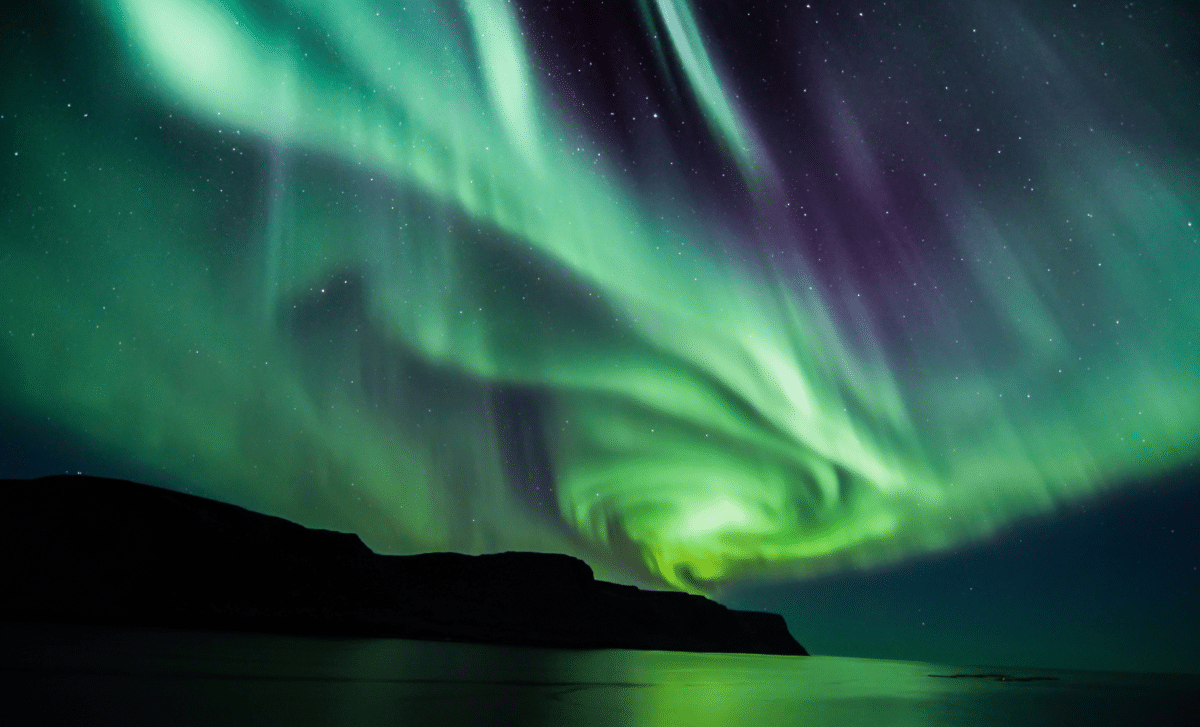
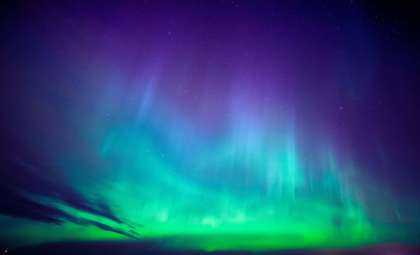
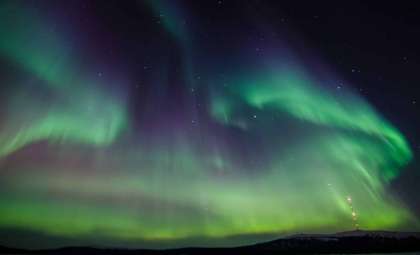
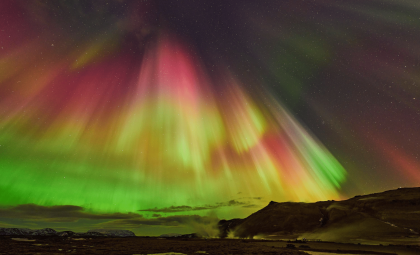
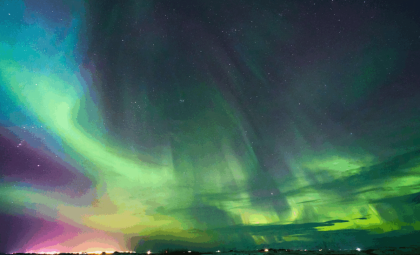
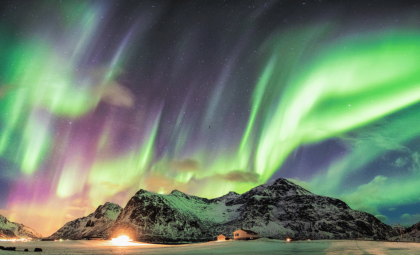
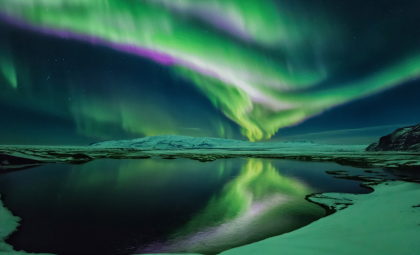
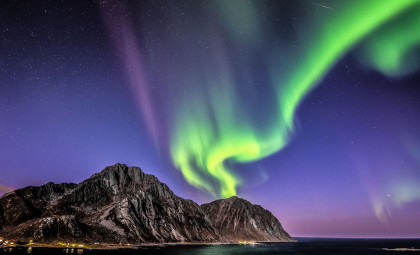
Coming this Independence Day weekend, powerful solar eruptions known as coronal mass ejections are predicted to interact with Earth’s magnetic field, potentially lighting up the night sky with the aurora borealis across an unusually large portion of the United States. The NOAA Space Weather Prediction Center (SWPC) warns of geomagnetic storms possibly reaching G3 (Strong) level, offering a rare chance for residents in up to 26 states to witness this extraordinary natural spectacle—weather permitting.
Incoming Solar Flare Activity Set to Spark Auroras
The anticipated light show stems from multiple coronal mass ejections (CMEs), vast eruptions of magnetized plasma launched into space by the Sun during intense periods of activity. Traveling at tremendous speeds, these solar clouds are expected to influence Earth’s magnetic environment between July 3 and July 4.
As these energetic particles collide with Earth’s magnetosphere, they steer charged particles toward the poles, where interactions with atmospheric gases create vivid light displays. Forecasts from NOAA suggest geomagnetic disturbances ranging from G1 to G3, depending on how the solar material engages with Earth’s magnetic defenses. Because space weather predictions are inherently challenging, researchers are actively observing developments as the solar ejecta approach.

EXTENDED WARNING: Geomagnetic K-index of 5 expected
— NOAA Space Weather Prediction Center (@NWSSWPC) July 4, 2026
Extension to Serial Number: 2247
Valid From: 2026 Jul 04 0100 UTC
Now Valid Until: 2026 Jul 04 2359 UTC
Warning Condition: Persistence
NOAA Scale: G1 – Minor
Issue Time: 2026 Jul 04 1412 UTChttps://t.co/ZbtuNtJdza
Wide Reach of Aurora Visibility Could Excite Millions
If geomagnetic activity intensifies as expected, sightings could extend beyond typical northern latitudes. The highest likelihood remains in northern border states such as Montana, North Dakota, Minnesota, northern Wisconsin, Michigan, and Maine. However, stronger storms may push visibility further south to states including Washington, Idaho, South Dakota, Nebraska, Iowa, Illinois, Indiana, Ohio, Pennsylvania, New York, Vermont, and New Hampshire. In the event of a brief G3 geomagnetic storm, those in parts of Kansas, Missouri, Kentucky, West Virginia, Virginia, and Maryland may also catch glimpses. Actual viewing quality will depend on weather conditions, ambient light pollution, and the intensity of the geomagnetic storm.
Challenges to Observing Despite Favorable Space Weather
Although enhanced geomagnetic activity enhances aurora chances, the summer season poses challenges for long viewing times. Nights in northern U.S. regions are shorter following the summer solstice, limiting darkness. Additionally, a waning Strawberry Moon may brighten the skies after midnight, making faint auroral glows harder to detect with the naked eye.
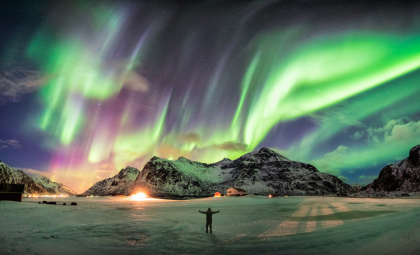
For optimal viewing, experts suggest locations with a clear northern horizon and minimal artificial lighting. Photography using long-exposure techniques on cameras or smartphones can capture colors and details not easily visible to the unaided human eye, providing an excellent way to experience the aurora’s beauty.
Sun’s Solar Cycle Continues to Generate Impressive Activity
Though the 11-year solar cycle has passed its peak, solar flare activity remains significant enough to produce strong geomagnetic storms. This sequence shows that the Sun can continue to unleash impactful space weather events even as overall activity declines. Scientists pay special attention to the interplanetary magnetic field, particularly the Bz component, where a sustained southward direction can increase solar energy transfer to Earth’s magnetosphere, boosting aurora brightness. Researchers will keep monitoring satellite data closely, as subtle shifts in solar wind conditions might greatly influence auroral visibility zones.
A Stunning Aurora Display Could Complement Fourth of July Festivities
While many will enjoy traditional July Fourth fireworks, a rare celestial event may illuminate the night sky from the north. If these solar eruptions arrive with enough strength and clear skies prevail, millions of Americans could witness a breathtaking natural phenomenon. This event will serve as a vivid reminder that solar activity occurring nearly 150 million kilometers away can produce dazzling visual effects on Earth days later.
- Categories:
- News

0 comments
Sign in to Comment