
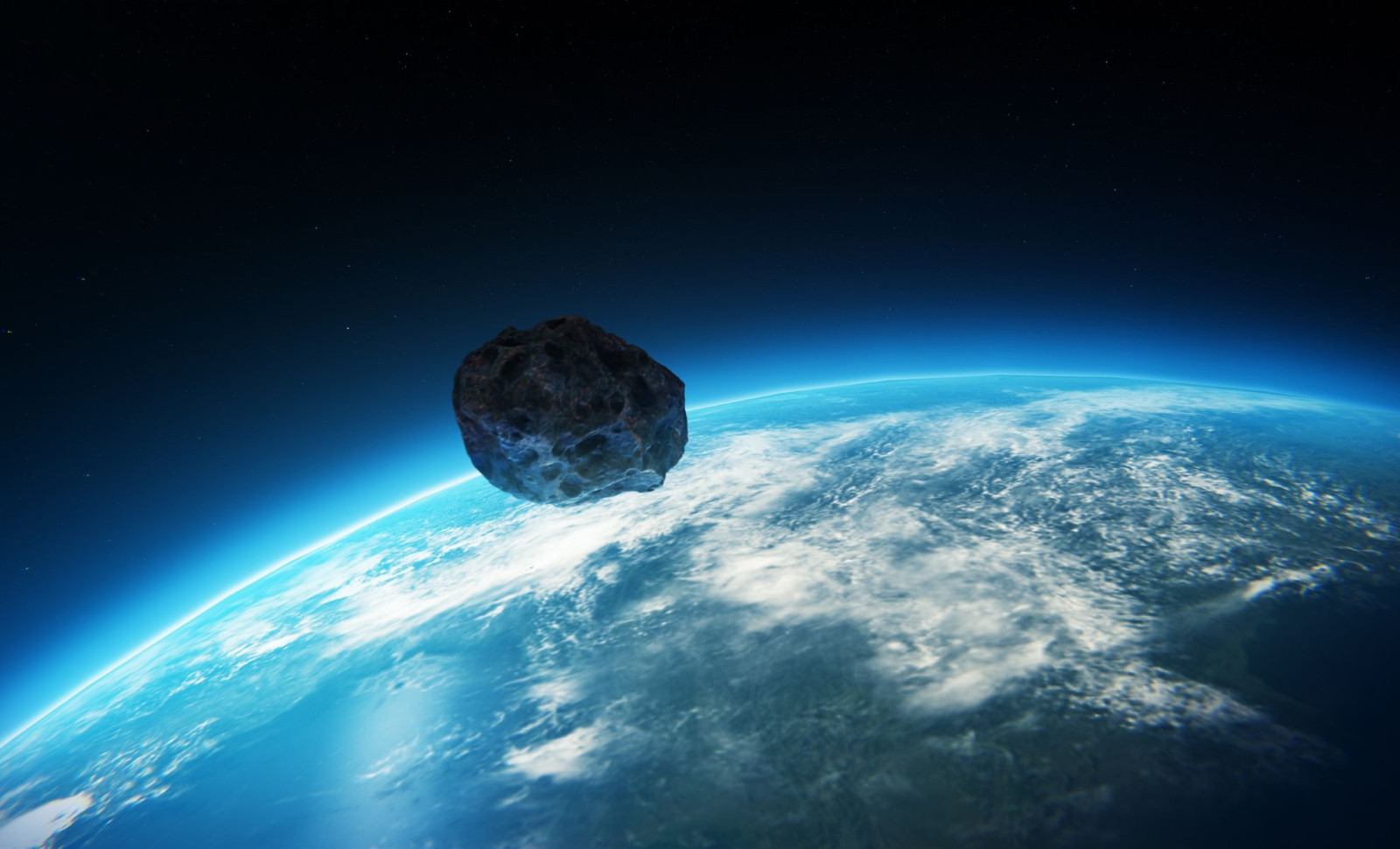
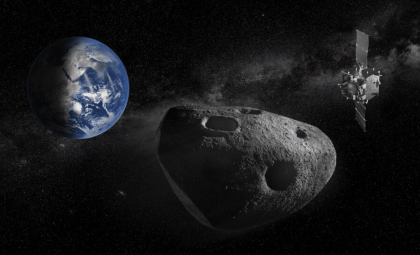
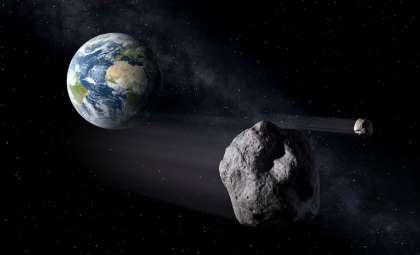
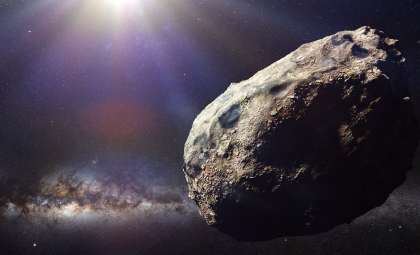
Apophis, a colossal near-Earth asteroid, is poised to pass a mere 20,000 miles from our planet on April 13, 2029. This encounter, deemed exceptionally uncommon, will bring it closer than many orbiting satellites without posing any threat to Earth.
This event has sparked significant interest because asteroids exceeding 1,100 feet in diameter rarely approach this near in recorded observation history. Initially discovered in 2004, Apophis once generated concern over a possible collision. However, those fears have been set aside, and now it offers a unique scientific opportunity rather than danger.
An Unprecedented Close Approach
As NASA explains, Apophis will pass roughly 20,000 miles above Earth's surface, which is closer than many satellites in geosynchronous orbit. They emphasize that:

“This will be the closest approach to Earth by an asteroid of this size that scientists have known about in advance. At its farthest, Apophis can reach a distance of about 186 million miles (299 million kilometers) from Earth.”
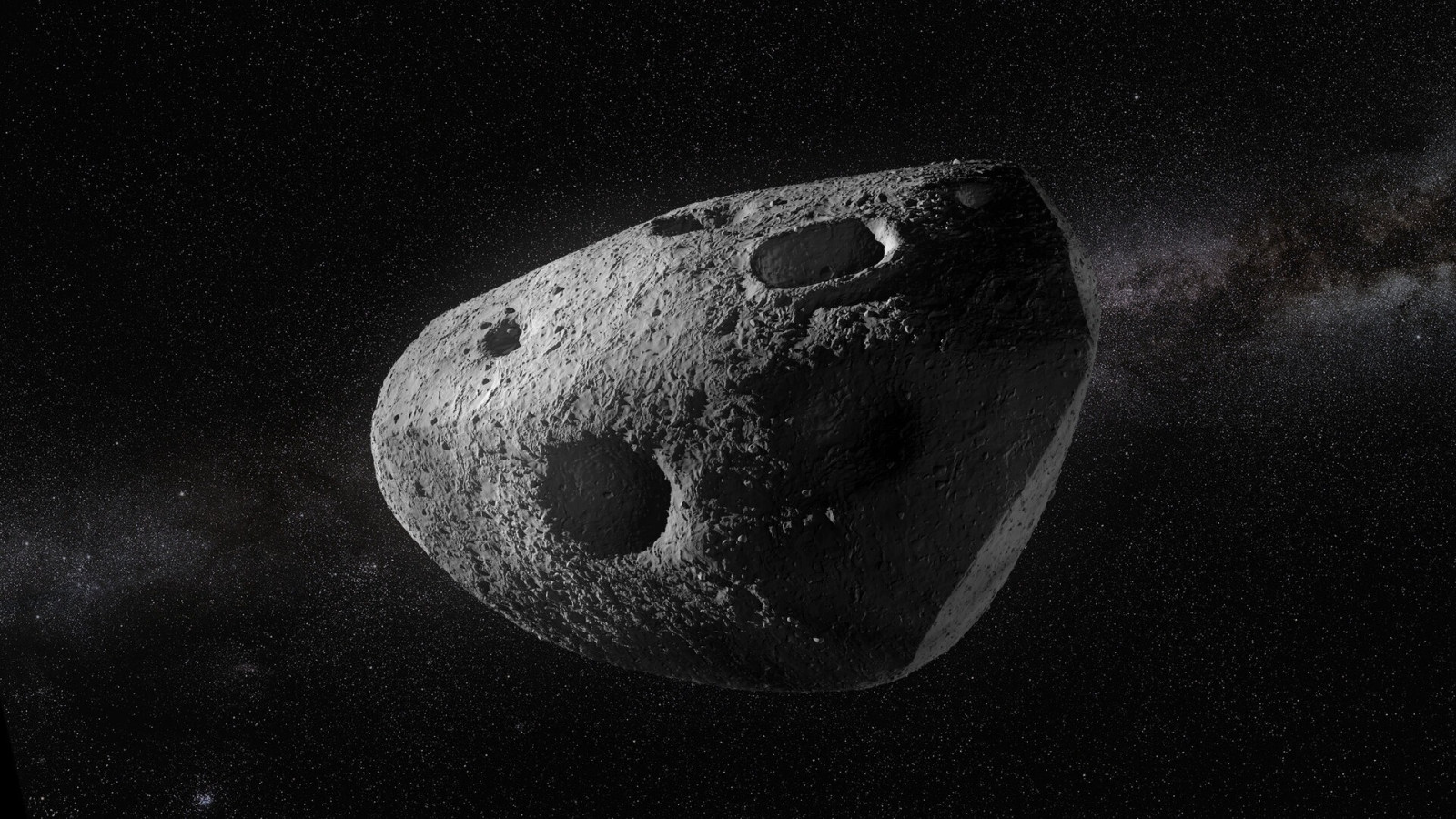
Encounters of this nature are exceptionally rare. Experts note that an asteroid of this magnitude approaches so closely only once every few thousand years. They also highlight:
“an event like this has not happened at any time in recorded human history,” adding that “without a doubt this is the first time it’s happened when humans have had the technology to observe it.”
Impact Threats Eliminated
Upon its discovery in 2004, Apophis initially carried a possible impact risk for Earth in 2029, 2036, or 2068. However, according to NASA's subsequent assessments, improved tracking has dismissed any collision concerns for at least a century. Despite being classified as a potentially hazardous asteroid, NASA assures that:
“there is “no danger to Earth, to anyone or anything living on it, or to astronauts or satellites in space.” The agency also states that “Apophis does not pose any immediate risk to Earth.”
Earth’s Gravity to Reshape Apophis
During its close pass, Earth’s gravitational pull will have a profound influence on the asteroid. NASA notes that Apophis will be “pulled, twisted, stretched, and squeezed by the gravity of Earth as it goes by,” effects that only occur during exceptionally near encounters.
These tidal forces are expected to slightly modify its orbit and spin. They might also trigger minor landslides or surface shifts, especially on steep slopes. Observing these transformations offers scientists a valuable chance to investigate Apophis's internal make-up and composition, information usually inaccessible without sending spacecraft to study the object directly.
By monitoring these effects, researchers aim to uncover more about the asteroid’s interior. NASA explains:
“Exactly how Apophis responds to these disturbances will depend on its internal structure and the materials it’s composed of. So by observing and measuring those responses, scientists will be able to work backwards and figure out what is going on inside the asteroid.”
This brief flyby is completely safe but presents a rare occasion to observe the response of a large near-Earth asteroid to intense gravitational forces.
- Categories:
- Space


0 comments
Sign in to Comment