
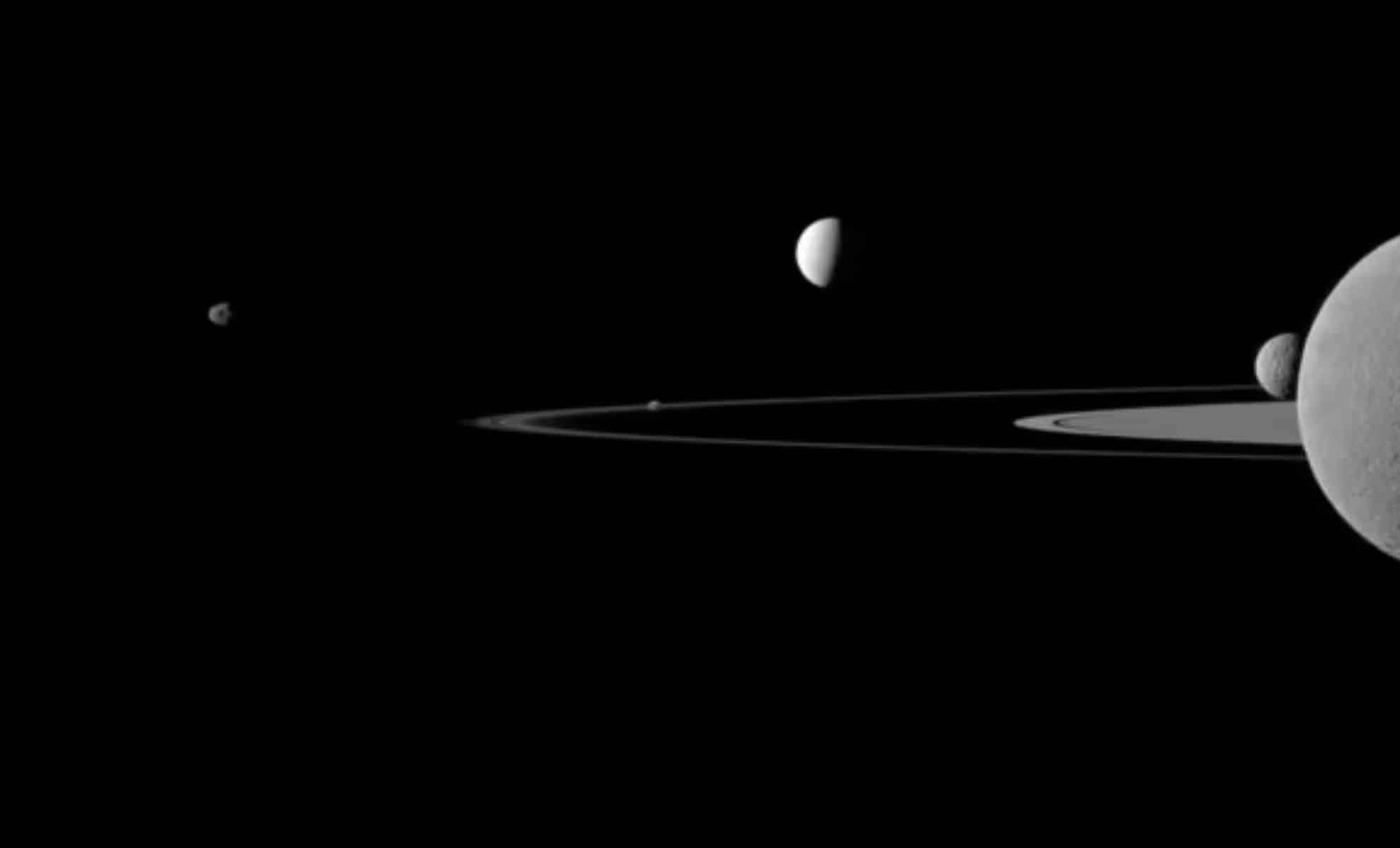
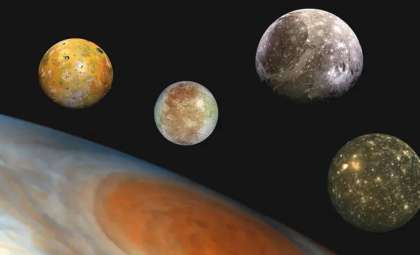
Researchers have uncovered an astounding 128 previously undetected moons circling Saturn. This discovery raises the total known satellites of the gas giant to 274, almost doubling the combined moon numbers of all other planets in our solar system. With this, Saturn firmly takes the lead as the ultimate “moon ruler,” outpacing Jupiter's 95 confirmed satellites by a significant margin.
Leading the investigation, Dr. Edward Ashton, a postdoctoral researcher at the Institute for Astronomy and Astrophysics within Academia Sinica in Taiwan, utilized the Canada-France-Hawaii Telescope to confirm his team’s suspicions. Having initially identified 62 moons around Saturn, their extended observations conducted in 2023 uncovered many more.
“As we anticipated, we discovered an additional 128 moons,” Ashton revealed. “Based on this rate of detection, I doubt Jupiter will ever surpass our count.”

Advanced Techniques Reveal Saturn’s Elusive Satellites
To identify the faint new moons, scientists applied a sophisticated imaging process known as “shift and stack.” This technique takes multiple images that trace the motions of faint celestial bodies and overlays them to amplify their signals, revealing objects otherwise too dim to detect.
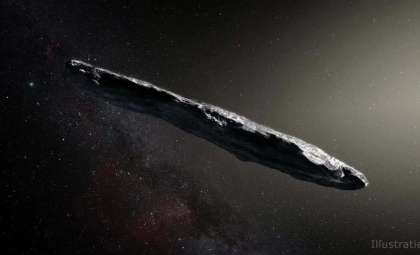
The newly cataloged 128 moons are classified as irregular satellites, characterized by their irregular, often peanut-like shapes and small sizes, typically only a few kilometers wide. These moons occupy distant, elongated orbits around Saturn, with most belonging to the Norse group, believed to be fragments of larger bodies fractured by ancient collisions.
Assigning names to this surge of moons poses a unique challenge for astronomers. Following Saturn’s tradition, names derive from Gallic, Norse, and Canadian Inuit mythologies. “At some point, we might need to loosen the naming rules,” Ashton admitted.
The Criteria for Defining a Moon Under Scrutiny
The rapid increase in Saturn’s moon inventory has sparked discussions about what truly counts as a moon. While large, prominent moons like Titan or Enceladus are undisputed, many of the recent discoveries are tiny, irregular fragments resembling space debris, suggesting a formal classification system might be necessary.
“Currently, there's no universally accepted definition of a moon, but there should be one,” Ashton noted, acknowledging that as telescopic capabilities advance, even more small satellites are likely to be found orbiting Saturn and other giant planets.
Despite the burgeoning count, Ashton’s team believes they have reached the present day technological boundary for spotting minuscule moons around Saturn, Uranus, and Neptune. Yet, future missions and newer, more powerful observatories may unveil even more.
Illuminating the Solar System’s Tumultuous History
The identification of these irregular satellites sheds light on the solar system’s tumultuous past. The concentration of these tiny moons indicates they are leftovers of larger celestial fragments shattered by impacts, revealing a violent era during planetary formation and migration.
“These satellites are likely fragments from a small group of captured bodies that broke apart in collisions, either with other moons of Saturn or passing comets,” said Prof. Brett Gladman of the University of British Columbia.
Examining the origins and progression of these debris moons may also provide critical insights into Saturn’s prominent rings. Some scientists propose these rings formed after a large moon was torn asunder by Saturn’s gravitational forces. Studying these small moons could support or challenge this theory.
- Categories:
- News




0 comments
Sign in to Comment