
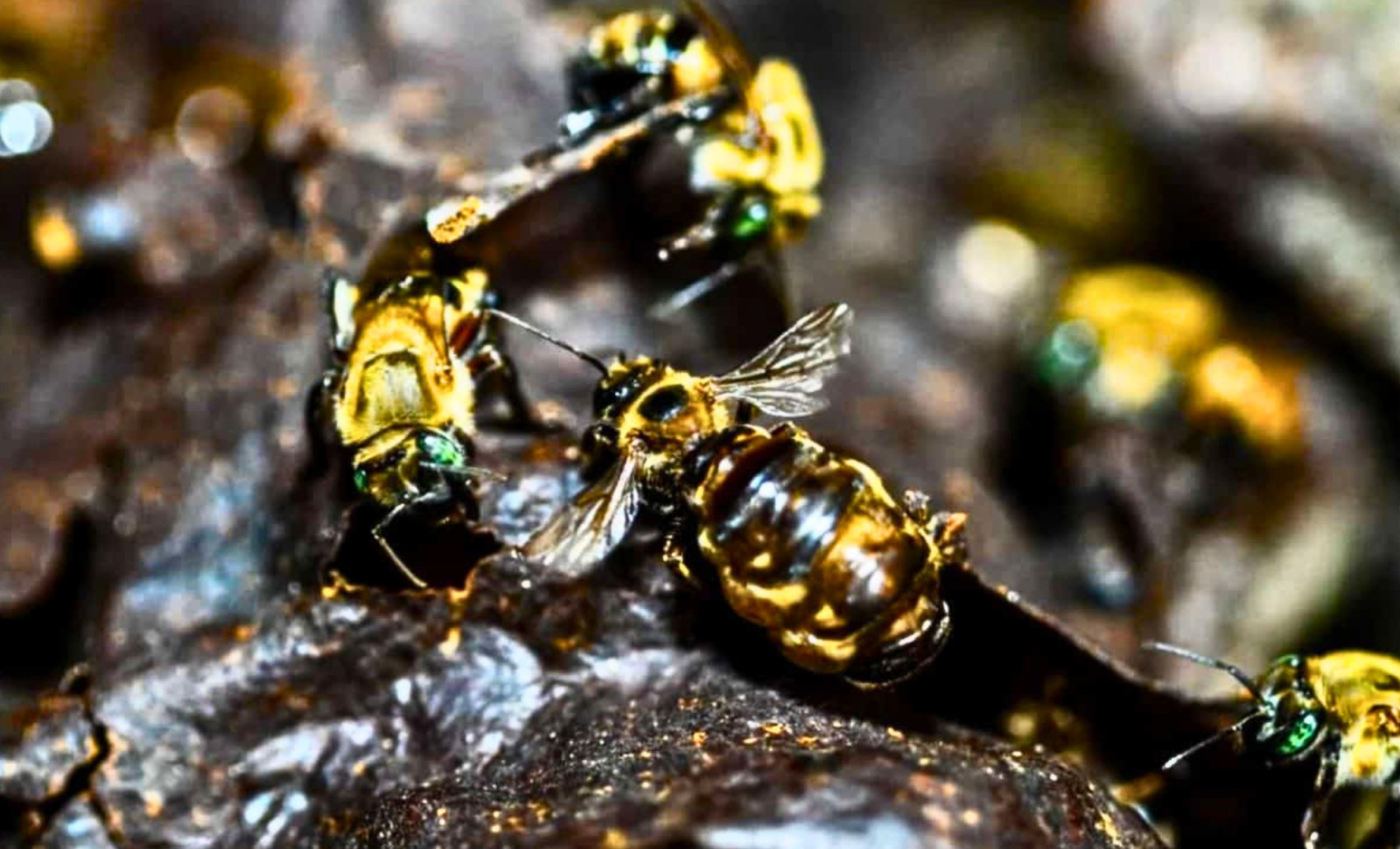
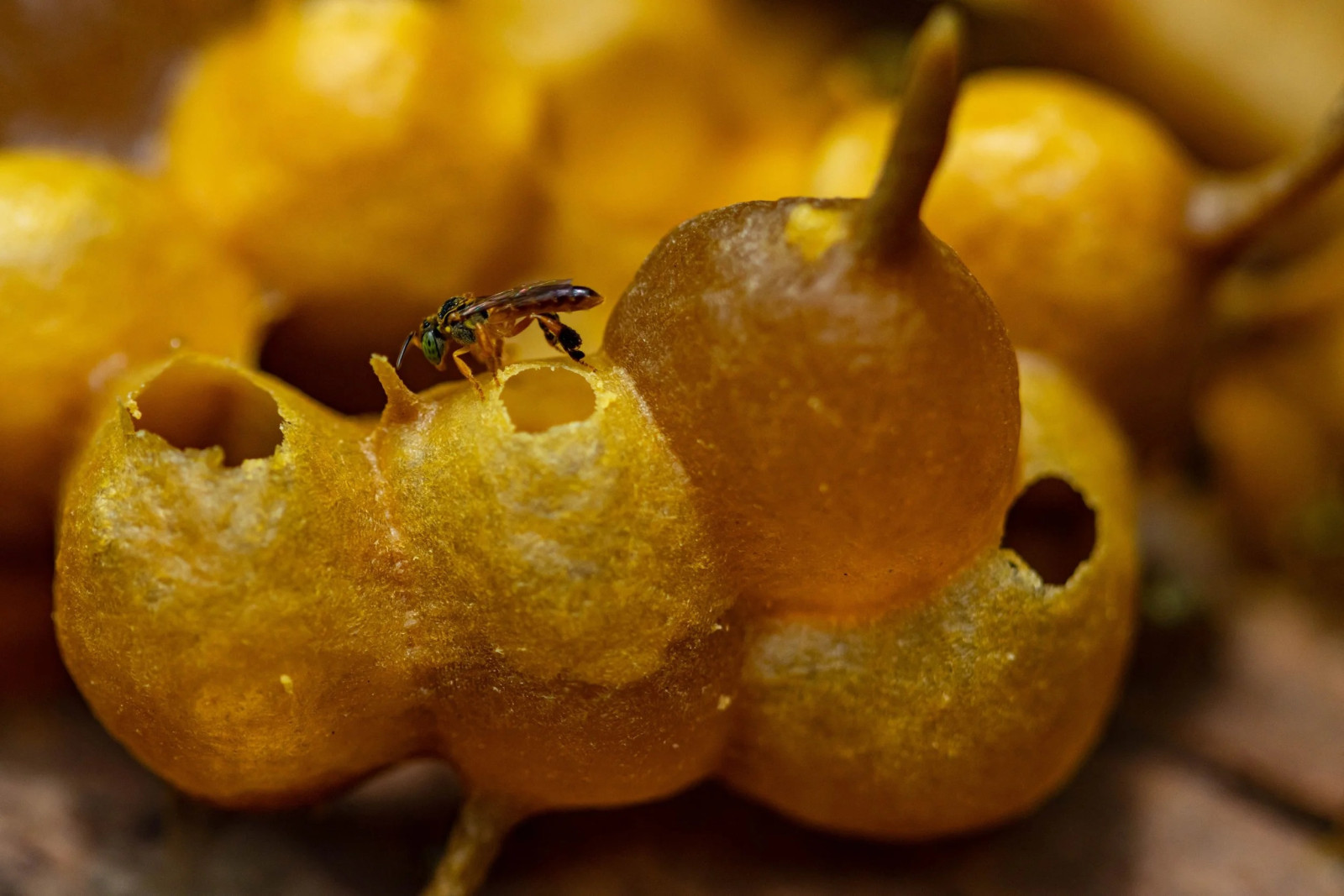
Typically, insects are viewed legally as mere property or nuisances, often overlooked altogether. However, late last year, two communities in the Peruvian Amazon—Satipo and Nauta—made groundbreaking legal strides. These towns enacted laws recognizing native stingless bees as entities with legal rights. This marks the first instance worldwide where an insect species has been formally acknowledged as a legal person.
The legislation affirms that these diminutive black Amazonian bees possess the right to persist, prosper in a healthy ecosystem, and be represented in court. Should any corporation, government body, or individual harm bee colonies through deforestation, pesticide use, or development, they can now be sued on behalf of the bees themselves. Constanza Prieto, the Latin America program director at the Earth Law Center, explains that this legal recognition recasts these crucial pollinators as “rights-bearing subjects” rather than unseen environmental helpers.
The ordinances serve as a form of rights declaration for this wild pollinator. Stingless bees are entitled to maintain healthy populations, inhabit clean and unspoiled environments with stable climatic conditions, and restore their natural cycles. From now on, judiciary bodies must consider harm to these species and their habitats beyond just human-centered damages.

Crucial Pollinators Anchoring Amazonian Ecosystems
Stingless bees have existed far longer than the well-known European honeybee. About half of the planet’s 500 species inhabit the Amazon basin. Peruvian researchers have documented at least 175 native stingless bee varieties—a figure likely underrepresenting the true diversity. These bees play a vital role in pollinating nearly 80 percent of tropical plant species, including globally important crops like cacao, coffee, and avocados that originate from the rainforest.
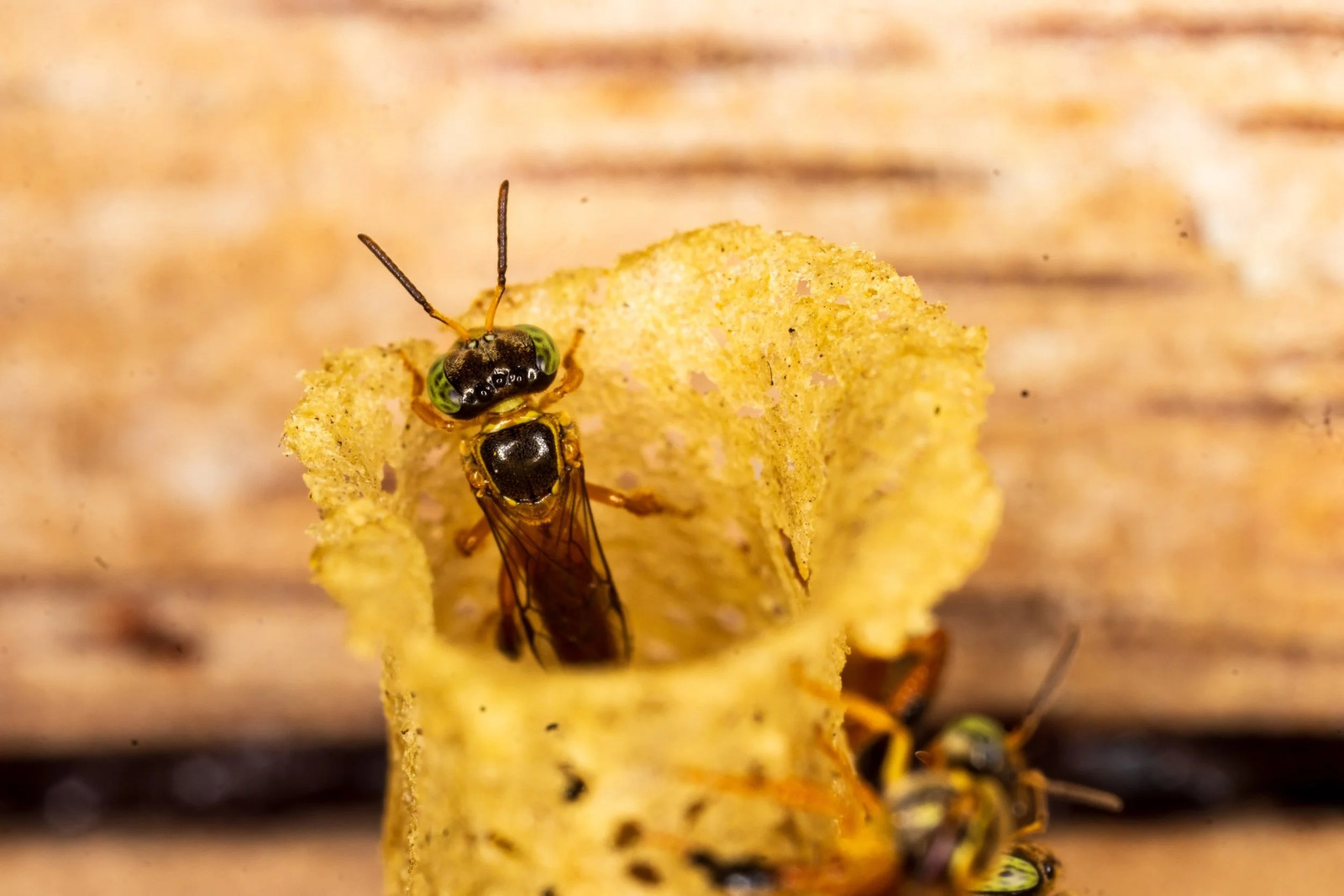
The Eco Jurisprudence Monitor highlights that Nauta’s ordinance guarantees stingless bees the essential right to survive and thrive free from pollution, habitat destruction, and climate threats. This legal move builds on a 2024 reform by the Peruvian Congress that formally designated stingless bees as protected under the nation’s biological heritage.
Prior to this legislation, only European honeybees were formally acknowledged by law. The local ordinances break new ground by providing enforceable rights, moving beyond simple protective measures.
Linking Traditional Knowledge and Scientific Discovery
The initiative to grant legal personhood emerged outside the courtroom. Rosa Vásquez Espinoza, a chemical biologist, and her team at Amazon Research Internacional studied honey used by Indigenous communities during the pandemic. Their findings uncovered hundreds of bioactive compounds with antibacterial, anti-inflammatory, antioxidant, and potential anti-cancer effects.
These scientific results confirmed longstanding Indigenous knowledge. Among the Asháninka and Kukama-Kukamiria peoples, stingless bees are woven into cultural narratives, rituals, and songs, regarded not as livestock but as living bearers of ancestral rainforest wisdom. Asháninka leader Apu Cesar Ramos emphasized that the bees embody traditional knowledge passed down through generations and inherent to the rainforest’s fabric.
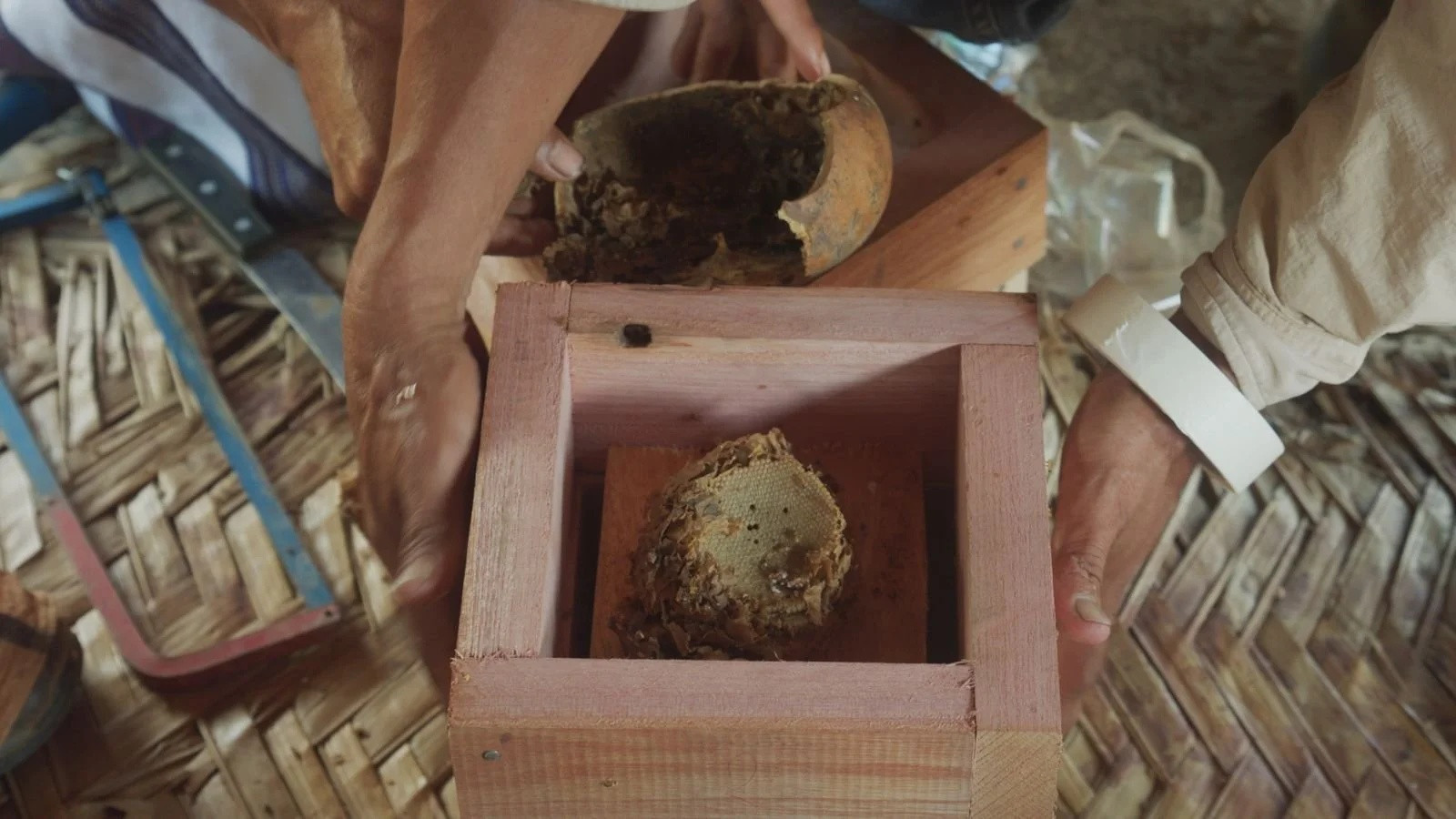
Before the research commenced, the team established a Biocultural Community Protocol, laying down guidelines governing third-party access to genetic materials and traditional knowledge about meliponiculture. This framework ensures Indigenous peoples maintain authority over their cultural heritage and decisions.
The Urgency Behind Local Protections
These ordinances respond to a range of well-documented threats. Deforestation removes vital nesting trees, while conversions of land for ranching and agriculture destroy feeding areas. Pesticide exposure kills bee colonies, and climate upheavals disrupt flowering cycles essential to their survival. Severe flooding and droughts further increase colony mortality rates.
Additionally, invasive Africanized honeybees, known for their aggression, compete for nesting holes historically used by stingless bees. Indigenous elders report that locating hives now takes hours instead of minutes, making traditional Amazonian beekeeping less viable as survival and economic benefits decline.
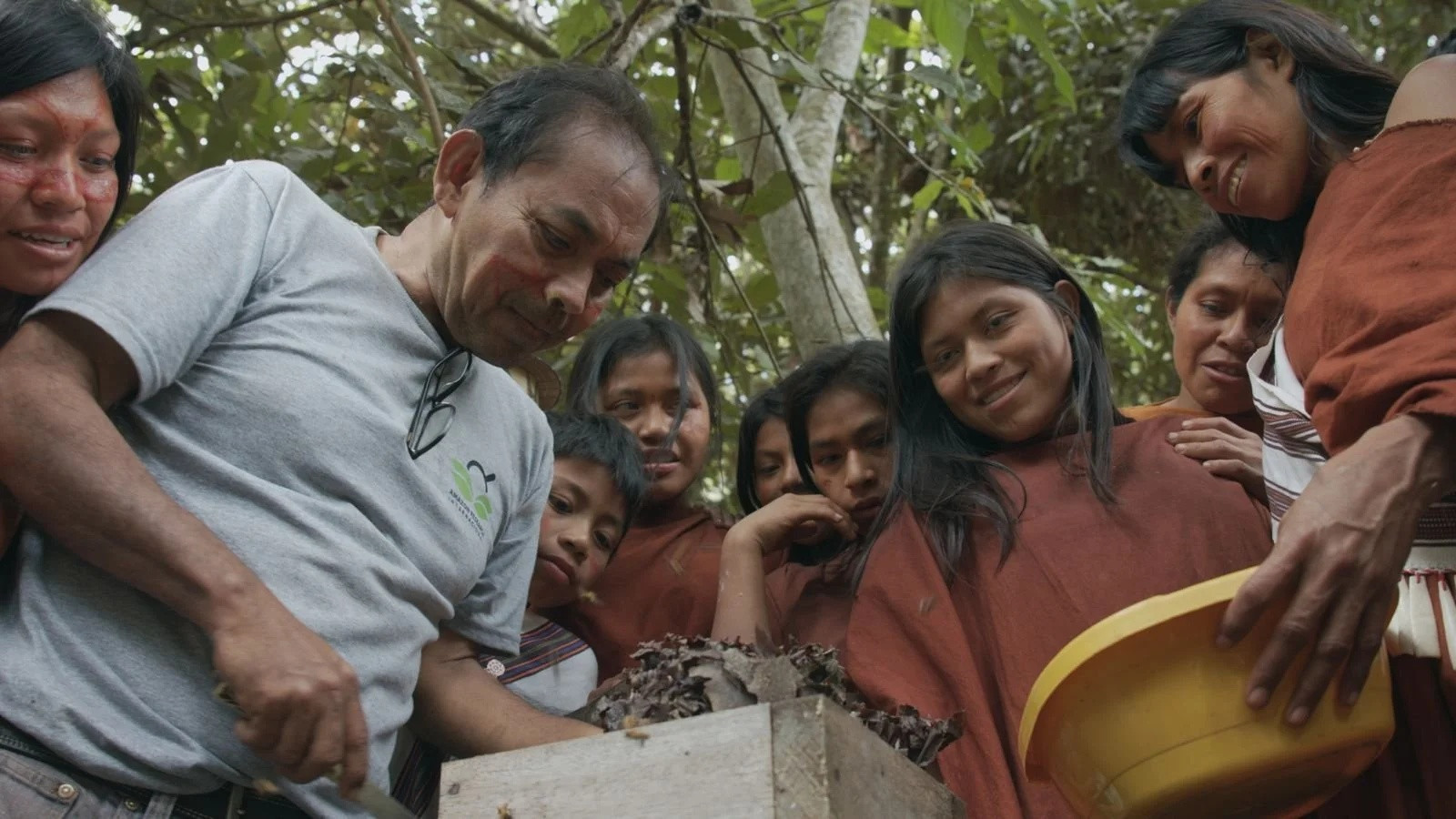
The jurisdictions of Satipo and Nauta now have mandates to reforest damaged land, strictly regulate pesticides and herbicides, restore native plants, implement climate adaptation strategies, and conduct ongoing scientific surveillance. Their teams have begun mapping 150,000 hectares of Amazon forest and cataloging traditional beekeeping practices region-wide.
Impact Reverberates at a Global Scale
Peru’s legal advancement has attracted international attention. A petition supported by Avaaz has garnered hundreds of thousands of endorsements calling for nationwide adoption of these Rights of Nature principles. Environmental legal advocates worldwide are examining Peru’s model for protecting wild pollinators in their own regions.
The Earth Law Center has integrated the Declaration of Rights for Native Stingless Bees into its broader Amazon conservation agenda. The organization champions Earth Law: a philosophy recognizing nature’s inherent worth and interconnected rights, moving beyond treating it as mere exploitable property.
This legislation adds to a limited but growing set of Rights of Nature rulings globally. Colombia’s courts imposed bee protections in 2018, and Brazil passed laws shielding stingless bees from specific pesticides. Yet, never before has a legal measure explicitly recognized an insect species’ rights to exist, prosper, and have legal representation in court.
While granting bees legal standing won’t immediately halt deforestation or mitigate climate change, it shifts legal focus onto the pollinators vital for sustaining forests and food systems. It also challenges other governments to consider: if stingless bees can be rights holders, which other elements of the natural world warrant a voice in legal systems?
- Categories:
- News











0 comments
Sign in to Comment