

On the ecologically sensitive island of Chichijima, part of Japan’s Ogasawara Islands situated roughly 1,000 kilometers south of Tokyo, conservationists undertook a dramatic effort from 2010 to 2013 to remove more than 130 stray cats threatening native wildlife.
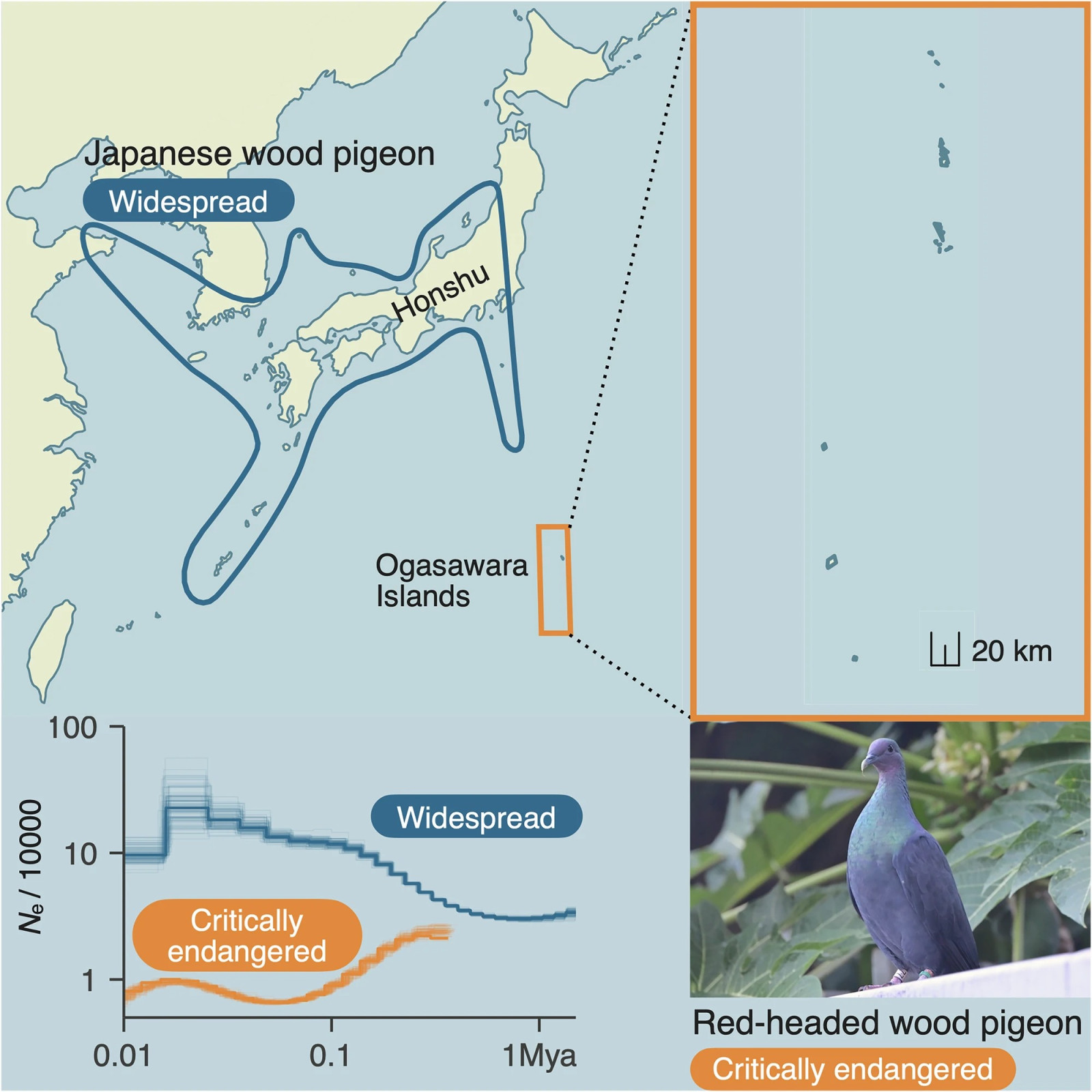
The initiative aimed to aid the recovery of the red-headed wood pigeon (Columba janthina nitens), a critically endangered bird species native to this remote archipelago. Over ten years later, this species’ numbers have surged, with genetic research revealing surprising adaptations unknown before.
This unique case has drawn the attention of biologists and conservation practitioners worldwide, not only due to its clear ecological impact but also because it challenges existing ideas about genetic risks in small fauna populations.

From Predator Removal to Population Growth: Uncovering Unexpected Genetic Dynamics
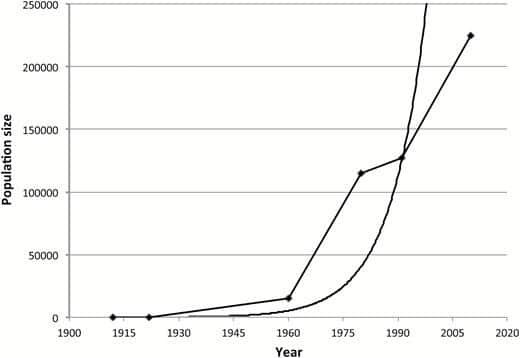
After the cats were eliminated on Chichijima, the red-headed wood pigeon’s adult population expanded dramatically from just 111 individuals in 2010 to 966 by 2013, with juvenile numbers increasing from 9 to 189 according to data in Communications Biology.
A collaborative team from Kyoto University sequenced the genomes of wild and captive red-headed wood pigeons, comparing them with their mainland relatives, Columba janthina janthina, previously studied for their genetic variability and conservation status. Despite harboring markedly reduced genetic diversity, the island birds displayed fewer harmful mutations, particularly nonsense mutations affecting protein synthesis.
These results highlight an uncommon evolutionary process known as genetic purging, where small, isolated populations gradually eliminate deleterious mutations through natural selection. Over 80% of the island pigeons’ genome was found to be homozygous—often a warning sign of extinction—yet no clear evidence of inbreeding depression was detected.
The study also revealed that captive birds with higher inbreeding coefficients did not experience shortened lifespans compared to less inbred individuals, indicating that specific ecological and historical factors might allow some populations to develop genomic resilience to inbreeding effects.
Isolation, Decline, and the Conservation Bet
The red-headed wood pigeon’s restricted habitat and nesting habits have made it highly susceptible to invasive predators. Feral cats, introduced decades ago, preyed heavily on nests, while habitat loss due to deforestation further jeopardized survival.
By 2008, fewer than 80 individuals remained. Existing measures were insufficient to halt decline, driving authorities to implement a focused removal of invasive cats from Chichijima.
The resulting population rebound outpaced expectations, but researchers caution that genetic wellbeing—not just numbers—is crucial for enduring survival. Small populations with elevated homozygosity often face increased vulnerability to diseases, environmental shifts, and reproductive problems.
Nonetheless, this case challenges prevailing conservation models that equate low genetic diversity directly with extinction risk. Authors of the study warn that despite current stability, limited genetic variation may reduce the species’ capacity to cope with future environmental changes.
A Broader Pattern: Similar Cases Among Island Species
Analogous experiences have been documented in other island fauna. The island fox (Urocyon littoralis), nearly devastated by disease and predation, later recovered without significant declines in genetic health. According to a 2018 study published in Current Biology, despite extensive homozygosity, the species showed minimal signs of inbreeding depression.
The northern elephant seal (Mirounga angustirostris) also illustrates this phenomenon. After near-extinction due to 19th-century hunting, its population rebounded under protection. Research in the Journal of Heredity noted the species’ success despite low genetic diversity, attributed to past purging of harmful mutations.
Still, scientists emphasize that genetic purging's effectiveness varies. It depends on factors like mutation types, reproductive rates, and how long isolation persists. The red-headed wood pigeon might be an outlier, not a universal example.
Some experts also warn of hidden risks. Populations with little genetic variation can appear stable now but may lack flexibility to survive rapid environmental changes, including climate impacts or new diseases.
Rethinking Conservation Strategies
The Ogasawara Islands—designated as a UNESCO World Heritage Site—are renowned for their unique biodiversity and vulnerability to invasive species. The red-headed wood pigeon’s recovery is prompting a reassessment of conservation genetics, especially for island ecosystems.
Traditional programs emphasize increasing genetic variation through captive breeding and habitat management. However, this case questions the assumption that low diversity invariably predicts extinction risk for isolated populations.
Despite its rebound, the red-headed wood pigeon remains classified as critically endangered on Japan’s national Red List. Monitoring continues, with genomic and population evaluations planned through 2028 by the Ministry of the Environment to detect any emerging threats.
UNESCO’s 2024 ecological review acknowledged the success of eradicating invasive cats but maintained existing risk rankings. Scientists stress the importance of ongoing vigilance, as genetic purging does not eliminate all potential vulnerabilities.
- Categories:
- News









0 comments
Sign in to Comment