
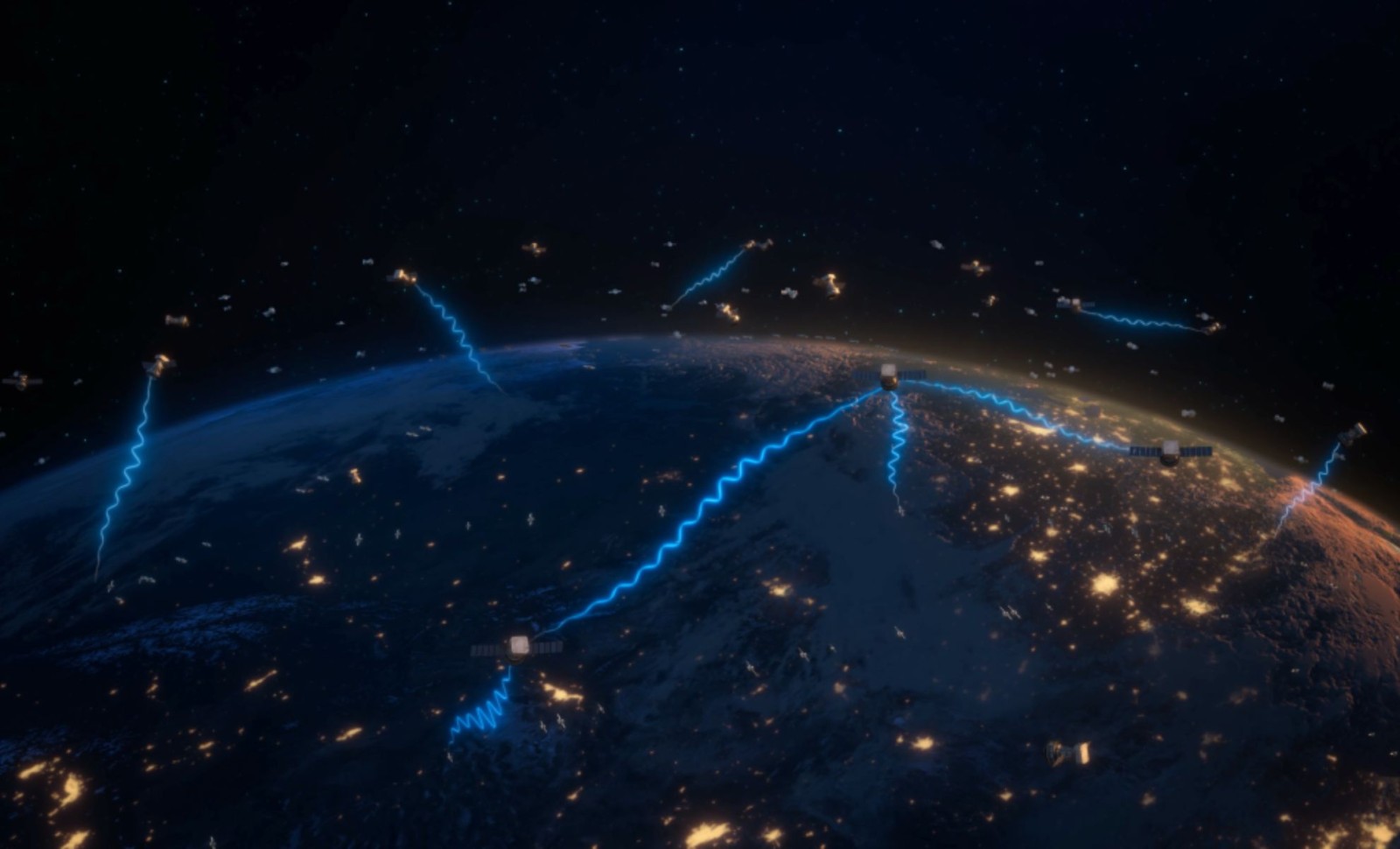
Scientists have uncovered a remarkable phenomenon: human-generated radio waves have formed a previously unknown barrier encircling our planet. This artificial shield is actively influencing Earth's radiation environment and reshaping the boundaries of near-Earth space.
The revelation comes from data collected by NASA's Van Allen Probes, which examined Earth's radiation belts with unprecedented precision before being decommissioned in 2019. Researchers discovered that very low frequency (VLF) emissions, originally designed for submarine communications, are interacting with energetic particles high above Earth, creating a distinctive and surprisingly persistent structure in space.
Radio Waves Generated by Humans Modify Earth’s Radiation Belts
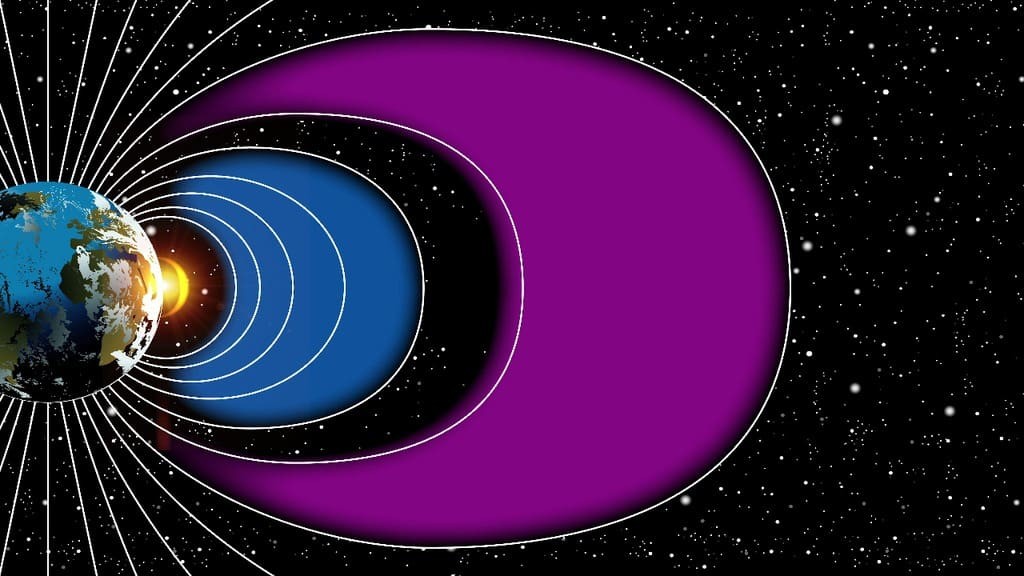
NASA’s Van Allen Probes found that VLF signals broadcast from terrestrial transmitters propagate into space and interact with charged, high-energy particles. These transmissions, though not intended for this effect, appear to push the inner edge of the Van Allen radiation belts outward from Earth.

NASA reports that this man-made barrier aligns closely with the inner boundary of the belts. Phil Erickson, assistant director at MIT’s Haystack Observatory, stated:
“A number of experiments and observations have figured out that, under the right conditions, radio communications signals in the VLF frequency range can in fact affect the properties of the high-energy radiation environment around the Earth,”
This interaction generates a bubble-like formation that was not present in earlier measurements from the 1960s, indicating a direct connection between decades of radio transmissions and the shaping of Earth’s radiation belts.
Unseen Bubble Alters Earth’s Near-Space Environment
This invisible bubble, while not physically observable, exerts significant influence by deflecting energetic particles and altering radiation patterns in the near-Earth orbit region. Scientists advise caution against calling it a true “force field,” but its impact on cosmic particle movement is noteworthy.
As highlighted by IFLScience, the zone of this barrier overlaps with the area where VLF signals exert their strongest influence, potentially explaining the modified shape of the radiation belts. The phenomenon remains stable, with its boundary matching the extent of radio waves used in naval and military communication. This suggests that technologies developed for very different purposes are now subtly reshaping the space environment.
Exploring New Uses for This Unintentional Shield
Though this barrier was created unintentionally, scientists are exploring the possibility that VLF radio waves could be harnessed to intentionally protect spacecraft or regions on Earth from damaging space weather effects.
“With further study, VLF transmissions may serve as a way to remove excess radiation from the near-Earth environment,” as explained by the United States space program.
While practical applications remain speculative, this discovery reveals how human technology is already influencing space conditions. This hidden shield, born from everyday communications, could one day assist in defending us against cosmic hazards—an unexpected chapter in humanity’s interaction with the cosmos.
- Categories:
- Science




0 comments
Sign in to Comment