
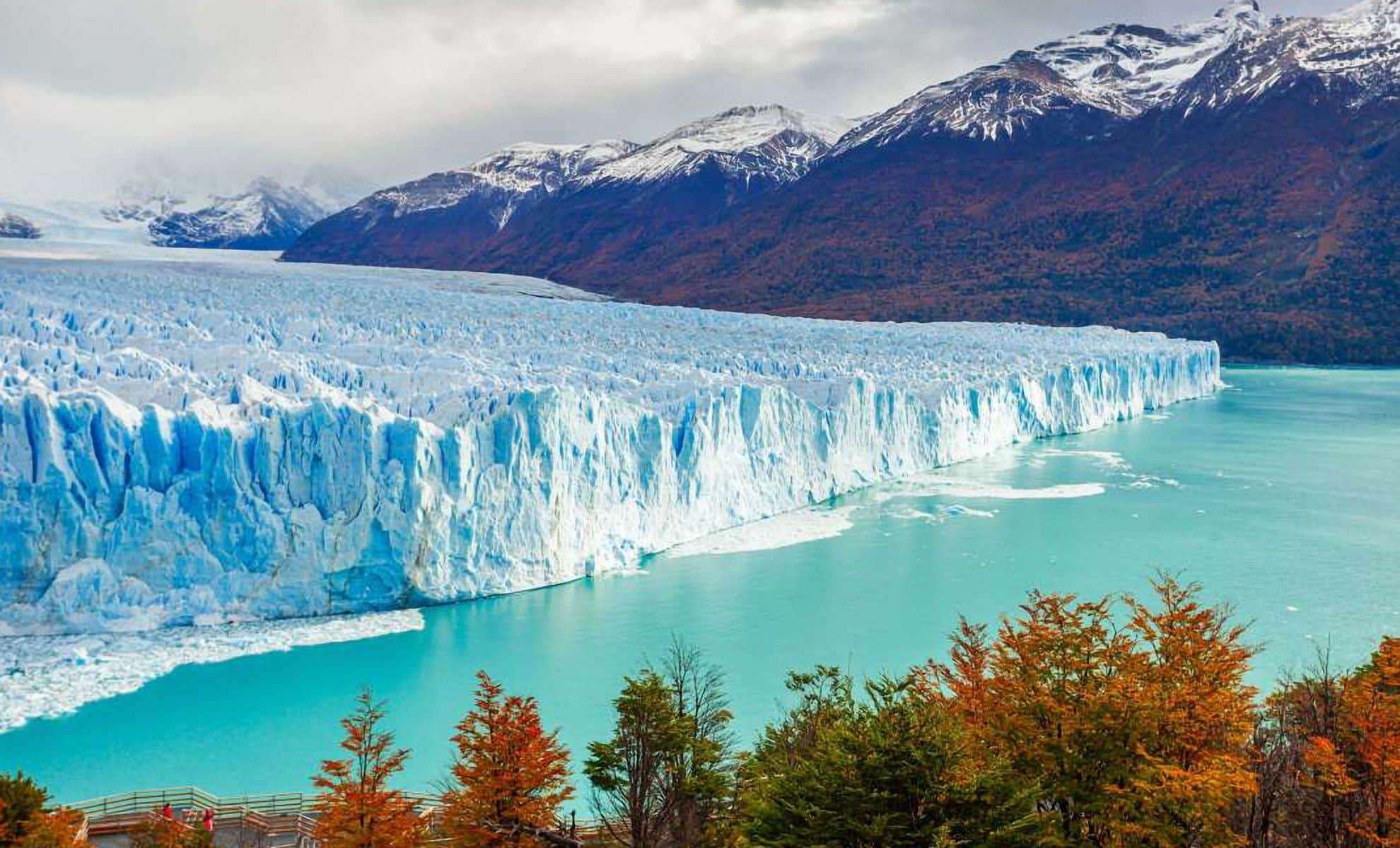
A pioneering study shared at the Seismological Society of America’s 2025 Annual Meeting demonstrates that fiber-optic technology can effectively detect seismic disturbances beneath glacier ice. This research, conducted on Switzerland's expansive Gornergletscher, introduces a valuable new method for monitoring glacier behavior, assessing climate effects, and advancing subsurface sensing technology.
A New Perspective Beneath the Glacier Surface
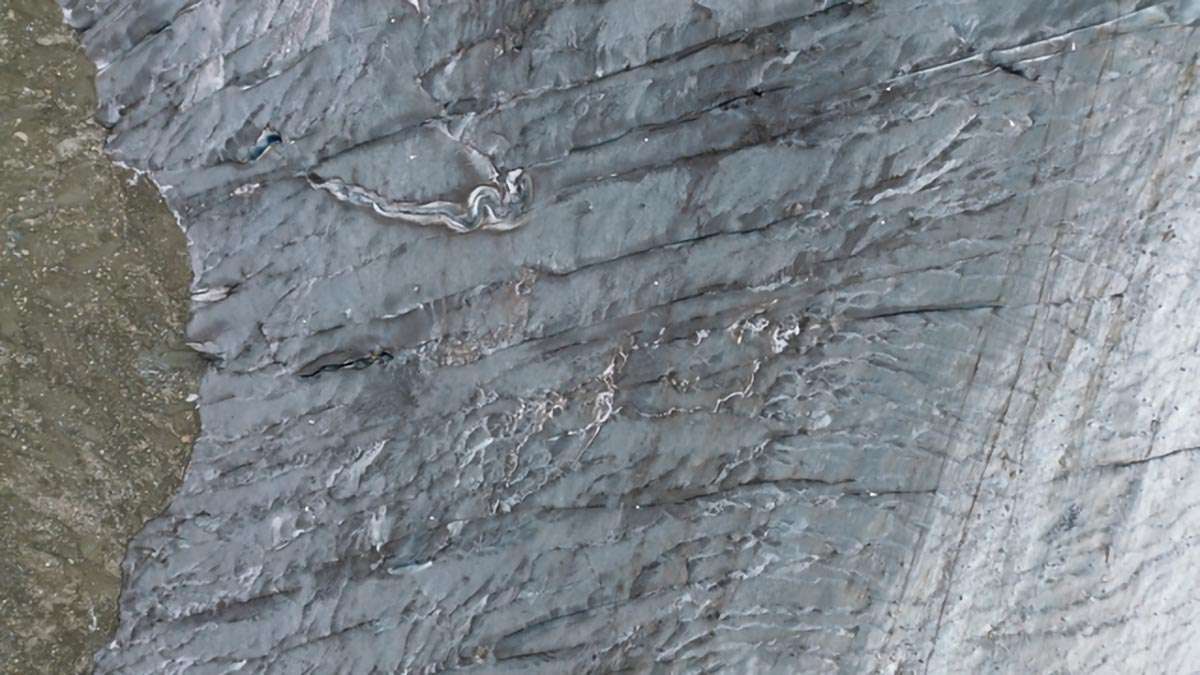
In challenging conditions where conventional seismic instruments often underperform, a team from ETH Zürich led by Tom Hudson and Andreas Fichtner deployed a dense 2D fiber-optic sensor network across a crevasse-rich zone on the Gornergletscher. Their mission was to capture the subtle seismic signatures of icequake events triggered by fracturing within the glacier.
Unlike earthquakes caused by tectonic plate movements, icequakes represent “fracture initiation” episodes—distinct, directional cracks forming in glacial ice. Remarkably, fiber-optic cables, primarily used for communication, proved highly sensitive to these delicate seismic occurrences.

The system recorded an impressive total of 951 individual icequake events, yielding detailed insights into the internal stresses and fracture dynamics of the glacier. This technology promises a level of proximity and resolution in seismic monitoring unmatched by traditional sensors.
Unveiling the Mechanics of Glacier Fracturing
Crevasse creation isn’t just a surface issue—these cracks provide pathways for meltwater, channeling it down to the glacier's base and potentially accelerating ice movement, a crucial factor in glacier retreat and global sea-level increases.
Traditionally, seismic equipment struggles to operate effectively in such volatile terrain, but the fiber-optic cables excelled. Installed during the seasonal shift from autumn to winter, the cables’ dark coating absorbed daytime sunlight, melting into the glacier before freezing firmly overnight—creating an ideal interface for detecting seismic waves.
This setup enabled the identification of long-duration, low-frequency seismic signals that conventional instruments typically overlook, some persisting from hours to several days.
Revolutionizing Seismic Data Collection
The extensive fiber-optic network generated twentyfold more seismic data compared to conventional sensor arrays, vastly improving both spatial and temporal coverage.
With this rich dataset, researchers could fully reconstruct the seismic wavefield—detailing how waves travel, bounce, and resonate within the glacier's interior. Notably, oscillations in the seismic recordings pointed to resonances among nearby fractures, challenging earlier assumptions that water interactions dominated these signals.
Hudson emphasized the exceptional quality of the data, describing it as among the most direct seismic source records, with some events detected just 10 meters from the fiber lines.
Applications Beyond Glaciology
What started as a study of glacier mechanics holds promise for improving monitoring in a variety of other fields. The ETH Zürich researchers envision this approach aiding detection of fractures in carbon sequestration sites, geothermal systems, and even volcano monitoring.
Due to glacier ice's relatively simple seismic response, it served as a perfect test environment. Success here opens the door for adapting this technique to more geologically complex substrates like bedrock and sediment layers.
The findings also enhance models for glacier response to climate shifts, improving predictions of ice melt rates and their contribution to sea-level rise.
Building a 3D Representation of Glacier Damage
Looking forward, Hudson plans to develop a three-dimensional seismic map of the glacier's interior. Such a model would quantify fracture size and distribution, helping to chart a detailed profile of structural damage within glacial ice.
This mapping could serve as an early warning system for vulnerable zones prone to structural collapse or enhanced flow during seasonal warming.
“My aim is to measure the extent and density of the fractures and understand how damaged the ice is in this region,” Hudson explains. “We need to pinpoint where the icequakes originate from these fractures. Quantifying their number and size is the next major step.”
- Categories:
- Tech





0 comments
Sign in to Comment