
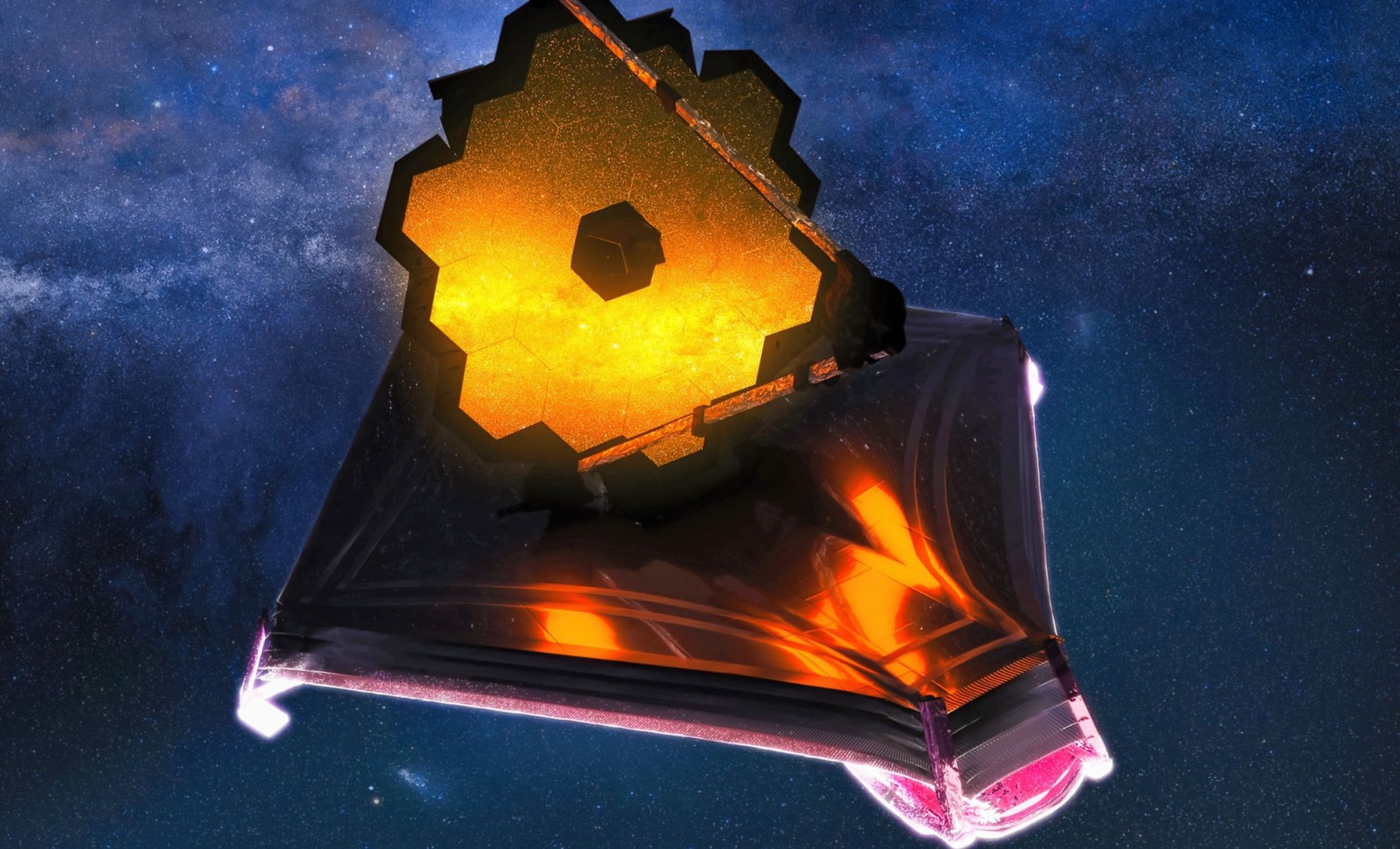
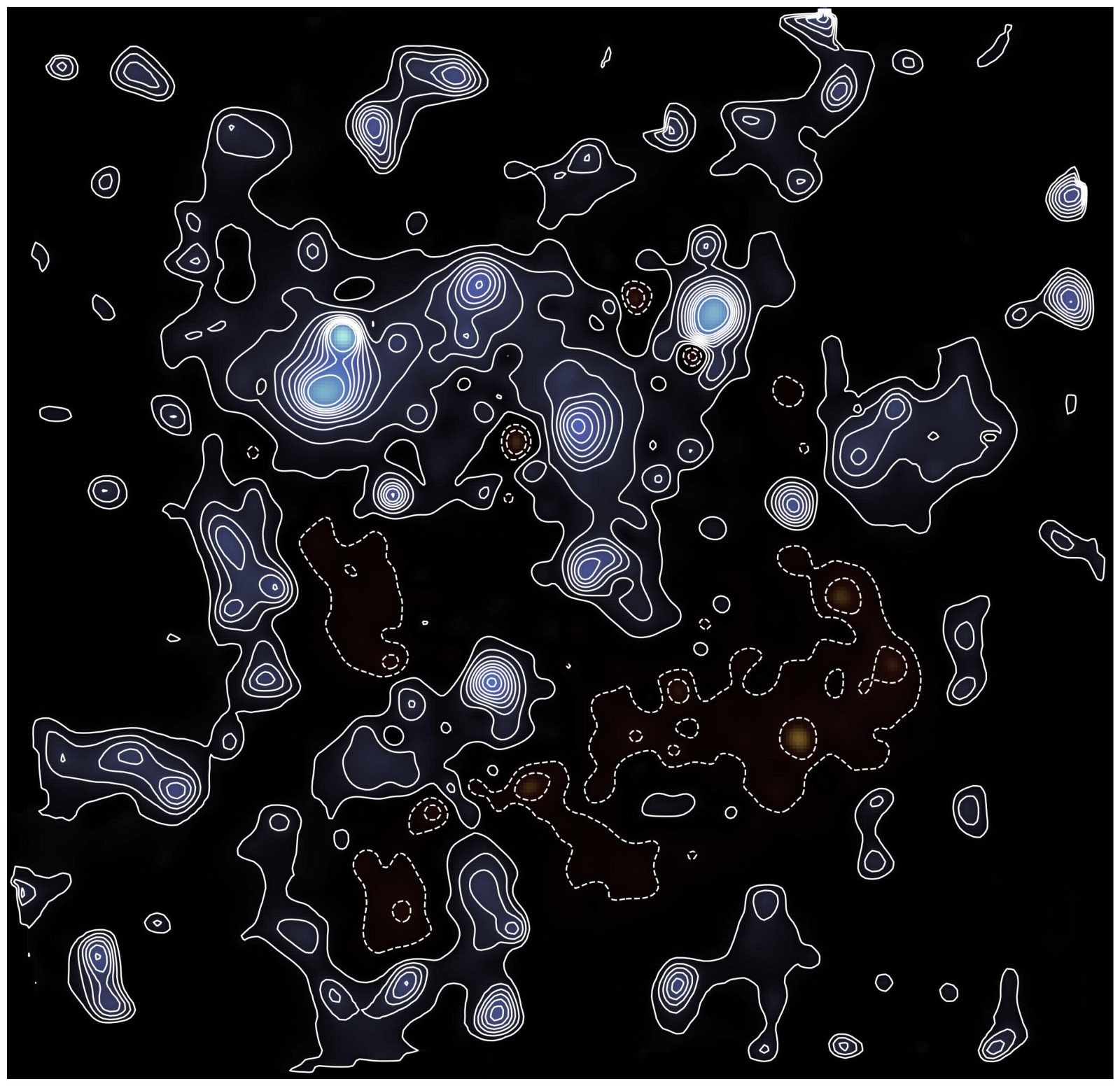
Utilizing observations from the James Webb Space Telescope, astronomers have generated the most detailed dark matter map constructed to date. This groundbreaking chart uncovers unseen cosmic features unrelated to visible matter, offering an enhanced perspective on the universe’s hidden structure.
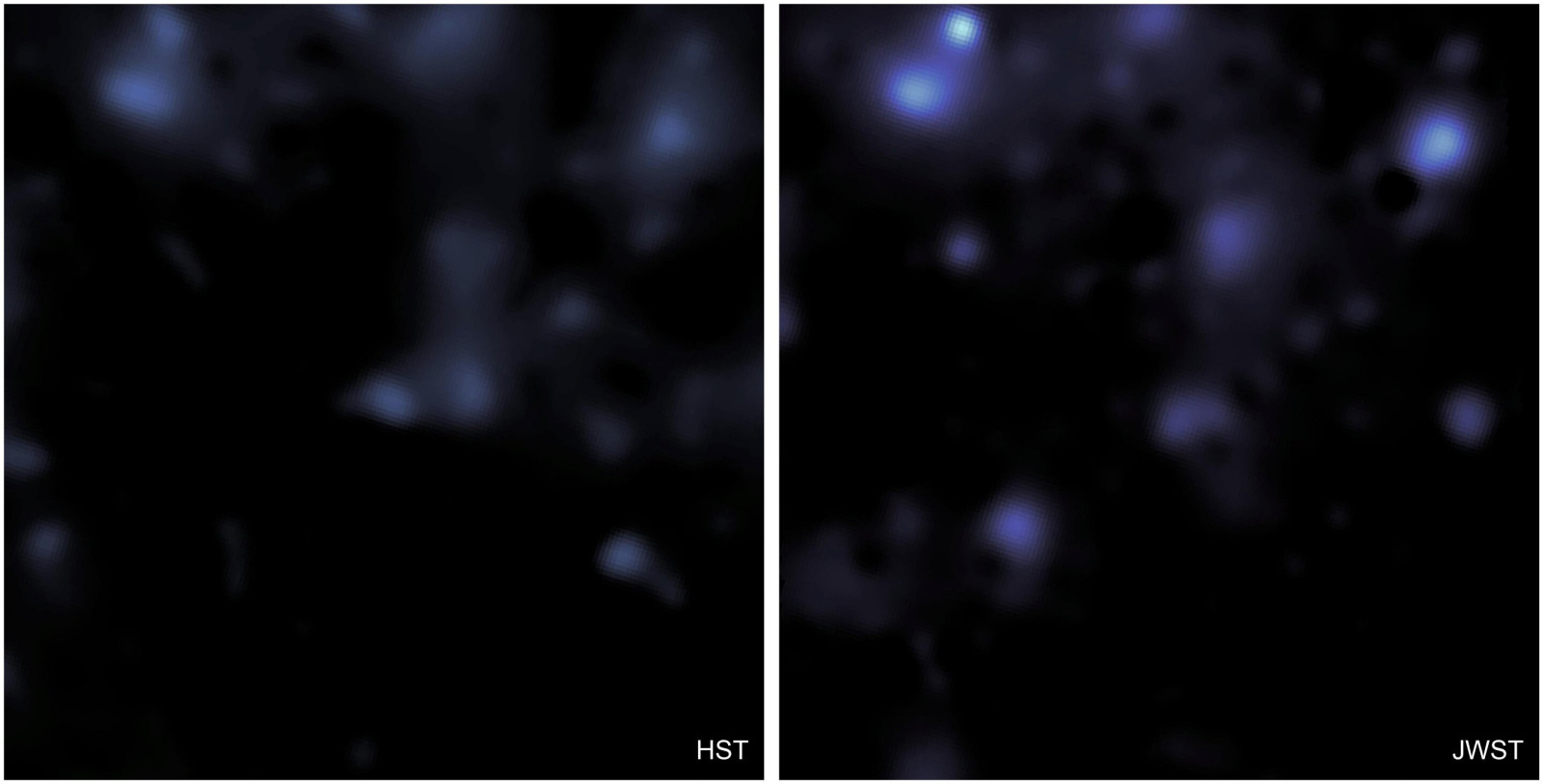
The map spans an area slightly larger than the Moon’s apparent size and is derived from analyzing approximately 250,000 distant galaxies. It provides nearly double the resolution of earlier charts made with the Hubble Space Telescope, shedding fresh light on how dark matter intricately weaves through the cosmos.
Leading this endeavor, Jacqueline McCleary and colleagues at Northeastern University leveraged the way dark matter, undetectable by emitted or reflected light, distorts background light to reveal its presence.

Tracing the Warping Imprint of Gravity
Scientists constructed this map by examining how dark matter’s gravitational influence subtly alters the shapes of galaxies behind it. Greater distortion indicates more mass lying in the foreground. This approach, known as gravitational lensing, remains one of the few techniques capable of unveiling dark matter’s presence.
“Those galaxies are basically the cosmic wallpaper,” said Liliya Williams of the University of Minnesota, who was not involved in the project. What matters is not their true shape but how they appear stretched or bent by the gravity of dark matter in the foreground.
This technique exposed previously unknown filaments and mass clusters that lack visible counterparts, confirming the dominance of dark matter in those regions. Williams emphasized:
“To identify many of these structures over a wide field, gravitational lensing is one of very, very few techniques, and definitely the best.”
Revealing the Cosmic Web in Stunning Detail
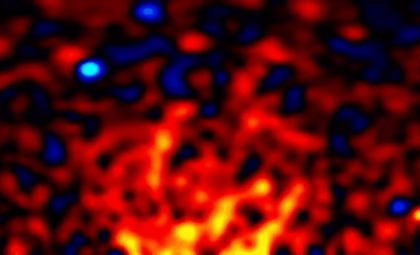
The latest map delivers an unprecedented perspective of the cosmic web. Thanks to the sophisticated instruments aboard the James Webb Space Telescope, scientists detected dimmer, more distant galaxies and captured finer shape distortions, crafting a sharp snapshot of dark matter’s filaments stretching across the universe.
“It is a very high-resolution picture of the scaffolding of this little corner of the universe,” saidJacqueline McCleary, referring to the dense and interconnected structures that emerged in the data.
Enhanced field coverage and sensitivity allowed researchers to trace these dark matter strands far beyond what previous surveys managed. Published in Nature Astronomy, the study highlights structures without any luminous matter equivalents.
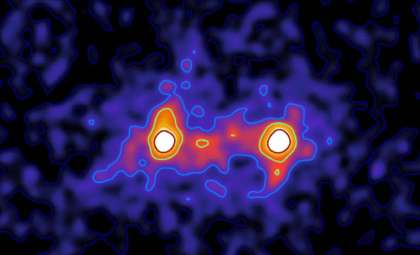
These hidden masses would remain undetectable if not for gravitational lensing effects, implying dark matter forms more extensive and intricate networks than previously observed through optical means.
Community Responses and Future Outlook
The emerging map aligns with the established lambda-CDM model, the principal cosmological framework characterizing the universe’s development. This theory incorporates both dark matter and dark energy, the latter driving the universe’s accelerated expansion.
McCleary noted that although preliminary results back the model, further detailed study is underway. She remarked:
“Although at a glance it’s a match for lambda-CDM, I’m not giving up yet 1 I’m withholding judgment until our analysis is finished.”
Once fully analyzed, the new dataset might pinpoint subtle anomalies or tensions within this prevailing cosmological paradigm.
- Categories:
- Physics




0 comments
Sign in to Comment