
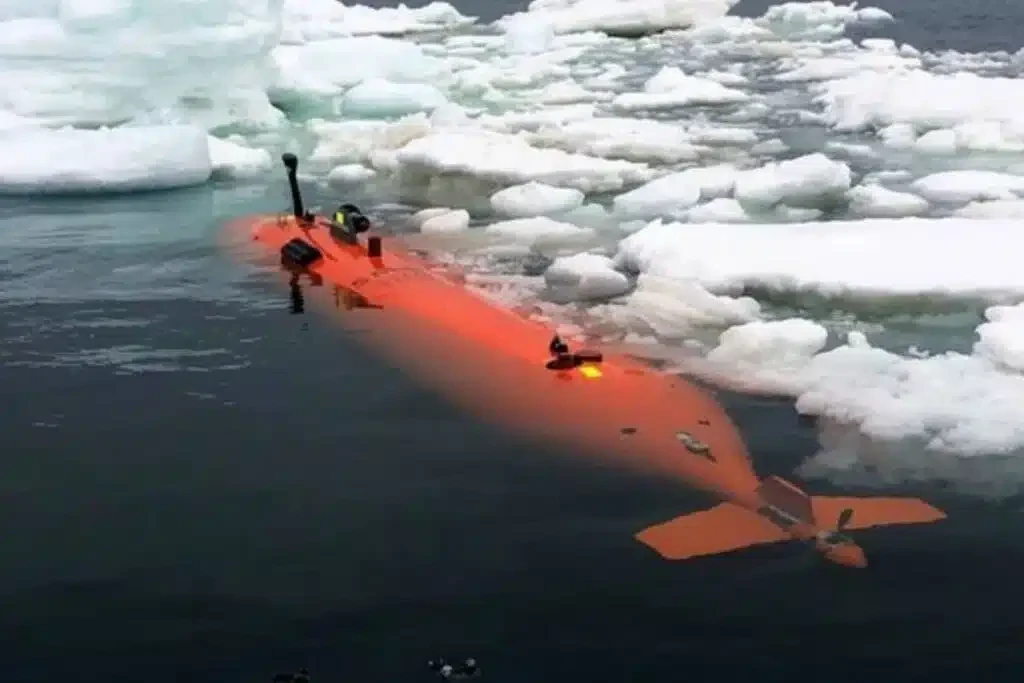
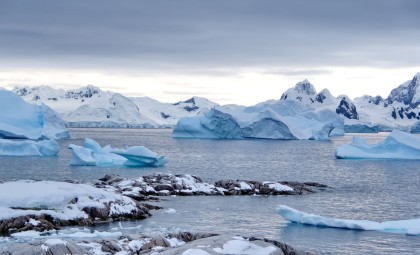
In early 2024, the autonomous six-meter submarine Ran vanished beneath the Dotson Ice Shelf in Antarctica, leaving scientists puzzled. However, the valuable information it gathered before disappearing is prompting experts to reconsider existing theories on ice melting.
Deployed by the International Thwaites Glacier Collaboration (ITGC), Ran was tasked with exploring Antarctica’s most remote and challenging underwater regions. Prior to its disappearance, the submarine uncovered previously unseen underwater features that challenge current climate models. Though it went missing, the data collected could reshape our understanding of sea level rise and climate dynamics.
An Expedition Underneath the Ice
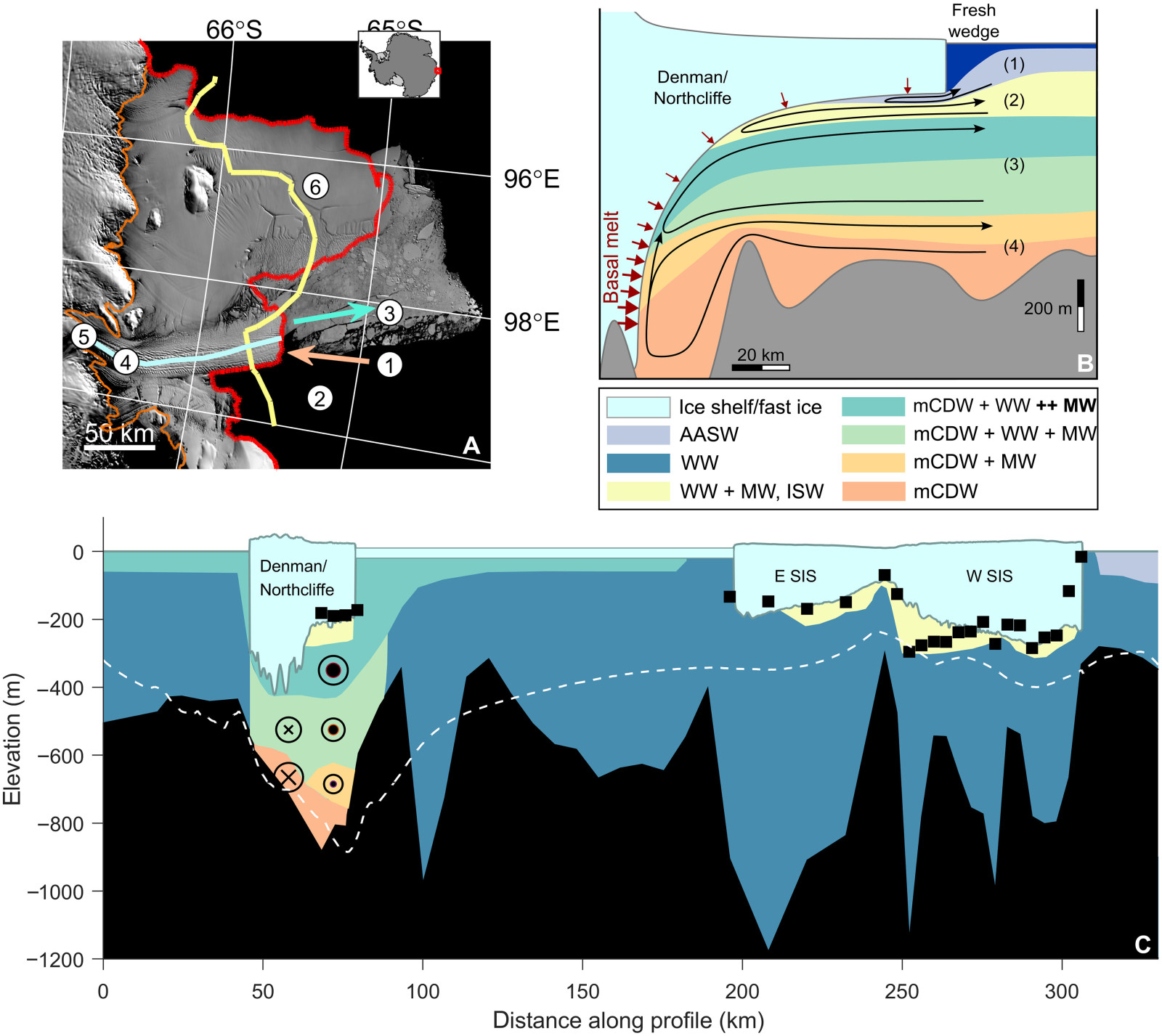
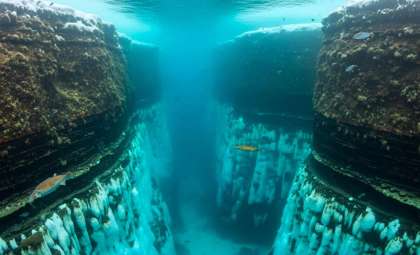
The Ran was engineered to investigate the base of the Dotson Ice Shelf, a remote Antarctic zone that has long baffled researchers. Buried beneath massive ice layers, only remotely operated vessels like Ran could endure the harsh environment. In 2022, outfitted with cutting-edge sonar equipment, it completed 14 missions, charting over 130 square kilometers of previously uncharted seafloor.

Operating completely autonomously, the submarine navigated without GPS or real-time communications, relying solely on preloaded navigation and onboard technology.
When the team attempted to resume dives in 2024, Ran failed to return. The reason remains unclear, with speculation about mechanical malfunction or the vehicle becoming trapped in underwater formations.
Unexpected Discoveries Emerged
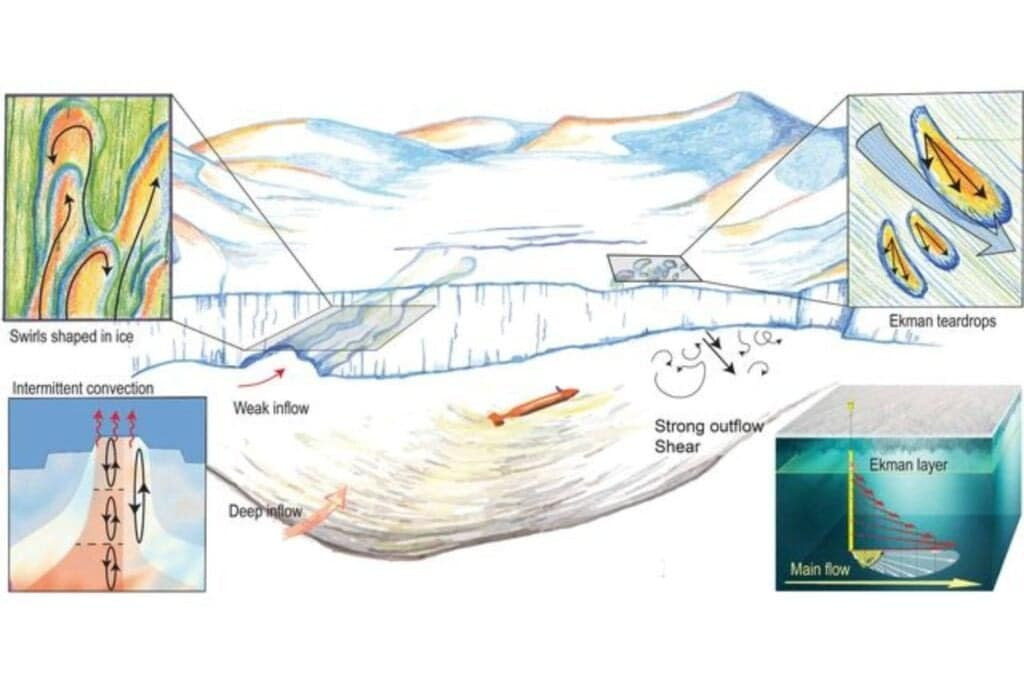
Before vanishing, Ran made remarkable finds. A recent study in Science Advances detailed unusual features it mapped, including droplet-shaped structures, icy plateaus, and distinct erosion traits that defy prior expectations.
Oceanographer Anna Wåhlin, who led the research, emphasized how these results challenge prior assumptions about ice melting mechanisms. The findings highlight intricate underwater processes not considered in existing models. With Ran now lost, scientists face the task of continuing the investigation and expanding on these critical findings.
Unraveling Ice Melt Mysteries
The ITGC’s core objective includes understanding why different sectors of the Dotson Ice Shelf experience varying melt rates. Thanks to Ran, they identified that the western section, exposed to the turbulent circumpolar current, is melting more rapidly than the more sheltered eastern side. This new data is pivotal to refining melt rate predictions and enhancing forecasts of ice sheet stability.
Despite the disappointment over the loss of Ran, researchers remain determined to push forward. The insights it provided deliver essential clues about the climate forces influencing Antarctica.
As stated in a release by the University of Gothenburg, preparations are underway to develop a successor to Ran to continue this vital research.
“After Ran was lost beneath the Antarctic ice in January 2024, a new vehicle will now take her place. Ran II will continue the mission to advance understanding of ocean processes and climate change.”
- Categories:
- Science






0 comments
Sign in to Comment