
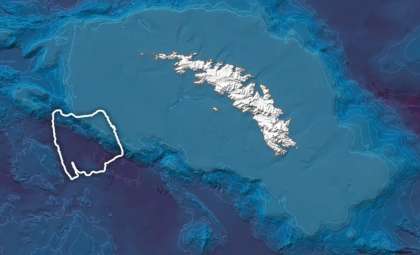
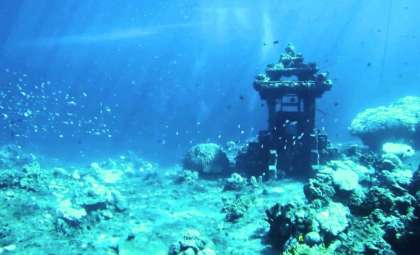
Researchers have uncovered evidence that part of the Rio Grande Rise, a massive underwater volcanic plateau in the South Atlantic, was once a tropical island millions of years ago. This unexpected finding sheds light on the region’s ancient environment and its mineral wealth.
Located roughly 750 miles off Brazil’s coastline, the Rio Grande Rise has been studied for decades. However, new investigations show that one section of it emerged above sea level during the past and later gradually submerged.
This vanished island offers critical insights into the geological development of the South Atlantic and highlights a site known for containing rare earth elements and valuable metals used extensively in today’s tech industries.

A Surprising Discovery Beneath the Waves
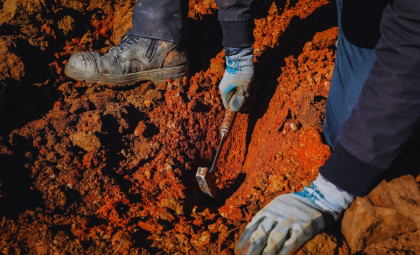
The journey began in 2018 when scientists from the UK and Brazil analyzed rock samples retrieved from the Rio Grande Rise’s western area. Embedded within volcanic lava layers, they detected an unusual material: red clay.
The presence of this clay raised eyebrows immediately. As documented by Eos, marine geologist Bramley Murton from the National Oceanographic Centre in Southampton noted that this substance resembled soil from tropical environments, rather than common ocean floor sediments.
“You just don’t find red clay on the seabed,” he noted.
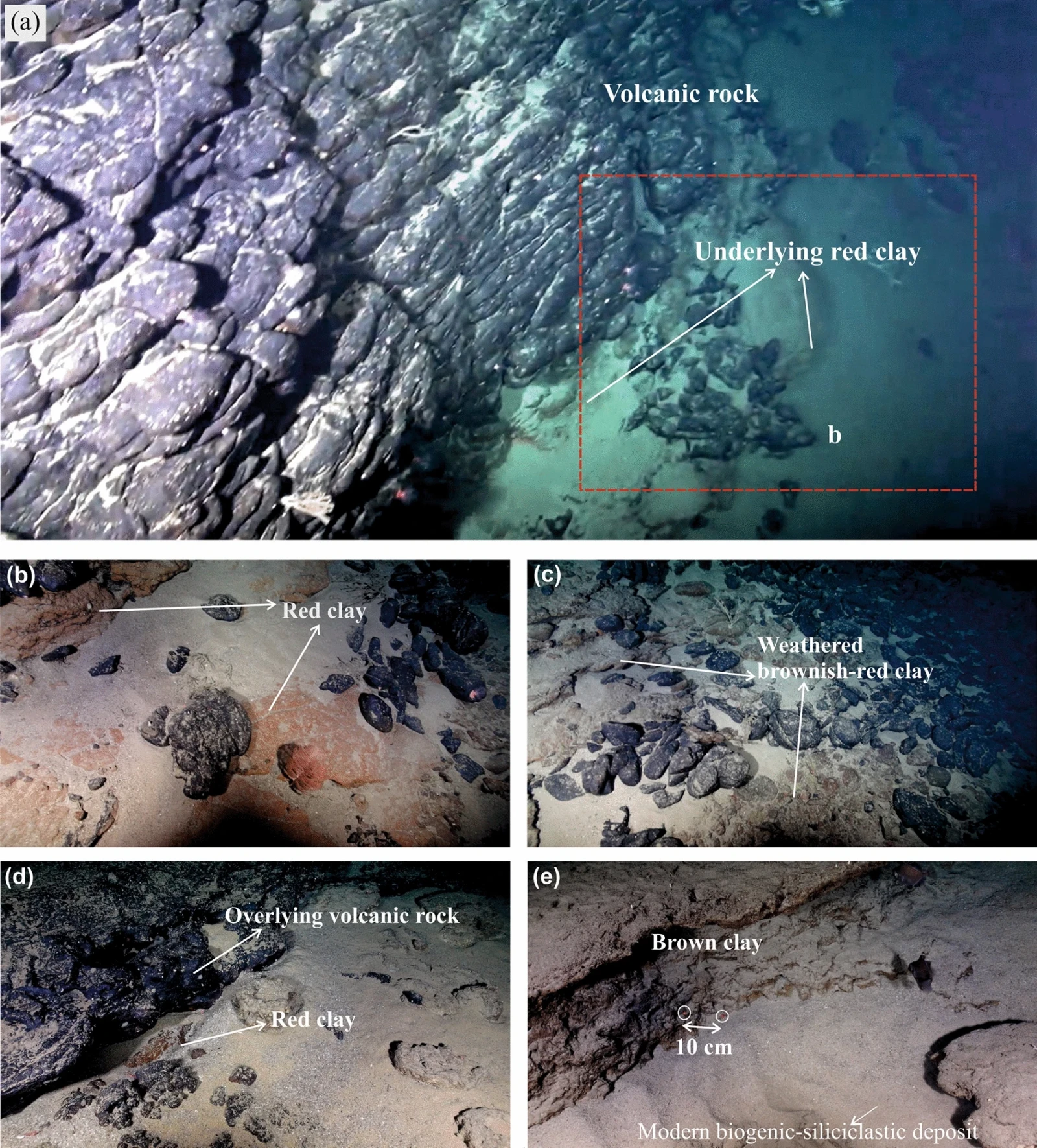
This unusual finding inspired extensive follow-up studies. Ultimately, scientists determined that the red clay must have formed when the area was exposed to air, rather than submerged underwater.
A 2023 study in Scientific Reports concluded that this section of the plateau rose above the ocean during the Eocene epoch, approximately 44 to 47 million years ago, resembling an isolated volcanic island in the South Atlantic.
Proof of Ancient Tropical Conditions
The red clay contained minerals such as kaolinite, hematite, and goethite, which are typical signals of heavy weathering in warm, humid climates.
Scientists told Eos that the composition of these deposits closely mimics Brazil’s distinct red tropical soils. Co-author Luigi Jovane, a marine geologist at the University of São Paulo, remarked:
“these red clays are exactly the same, chemically and mineralogically, as the red earth or terra roxa we find all over Brazil.” She added, “We are confident that they represent the in situ, weathered upper surfaces of the lavas.”
Another important parameter was the clay’s Chemical Index of Alteration (CIA), which measured 93. This high value reflects extensive weathering under tropical atmosphere following volcanic activity.
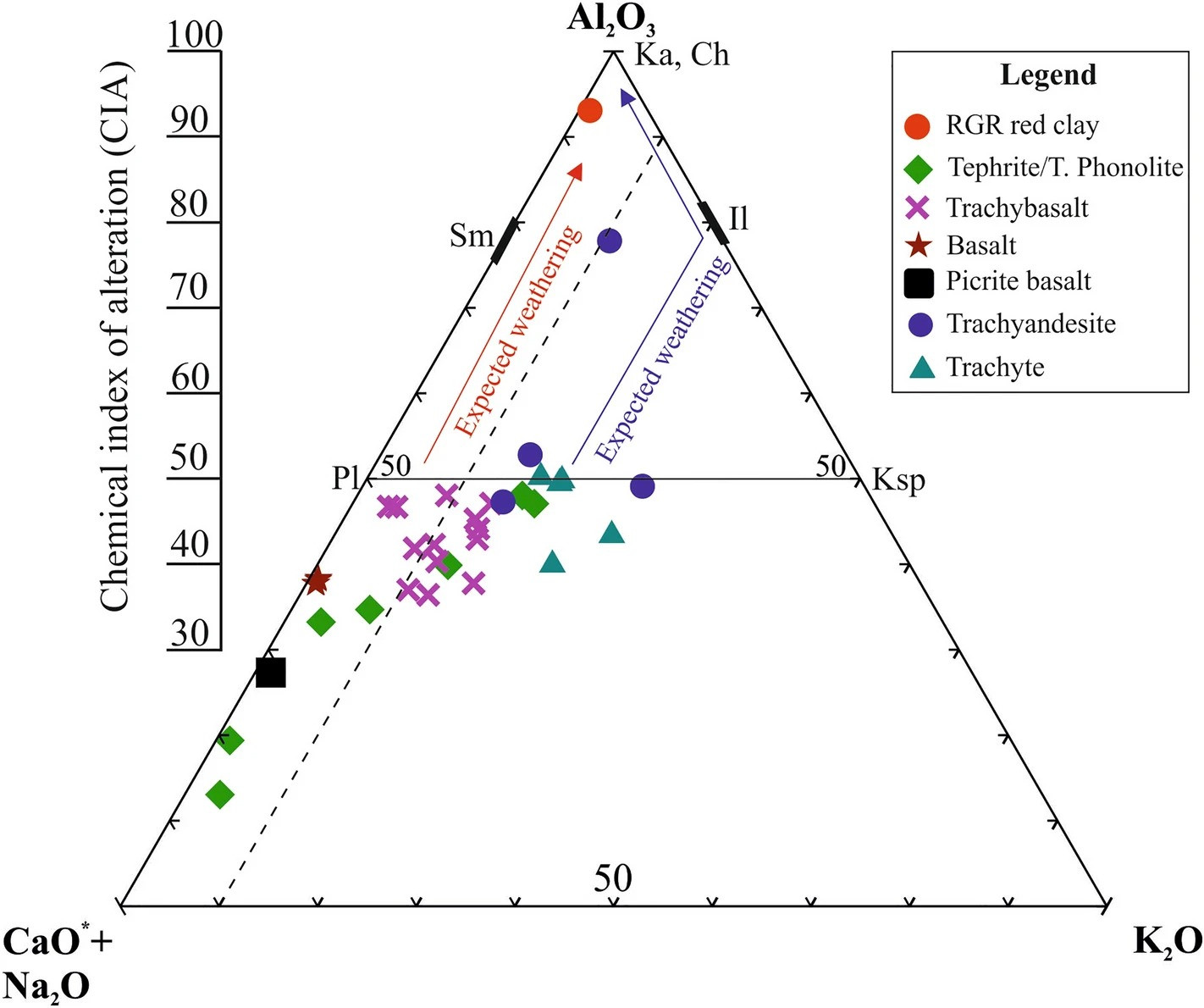
In Scientific Reports, researcher Priyeshu Srivastava emphasized that the red clays’ formation was only possible during a time when the Rio Grande Rise was above the ocean surface. These deposits mark an era when the landmass existed before gradually sinking underwater.
“The Rio Grande Rise and the continent have the same soil and climate,” pointed out Jovane. “In that sense there is a direct relationship between the two.”
An Important Geological Discovery with Economic Potential
Beyond its ancient origins, the Rio Grande Rise is important for its mineral resources. The underwater plateau hosts ferromanganese crusts rich in metals like cobalt, nickel, and lithium, which are essential for batteries and green energy technologies. Significant amounts of rare earth elements, such as yttrium, have also been found here.
The source material explains that yttrium has numerous uses, from aluminum and magnesium alloys to superconductors, lasers, LEDs, and camera lenses. This makes deposits like those at Rio Grande Rise particularly valuable.
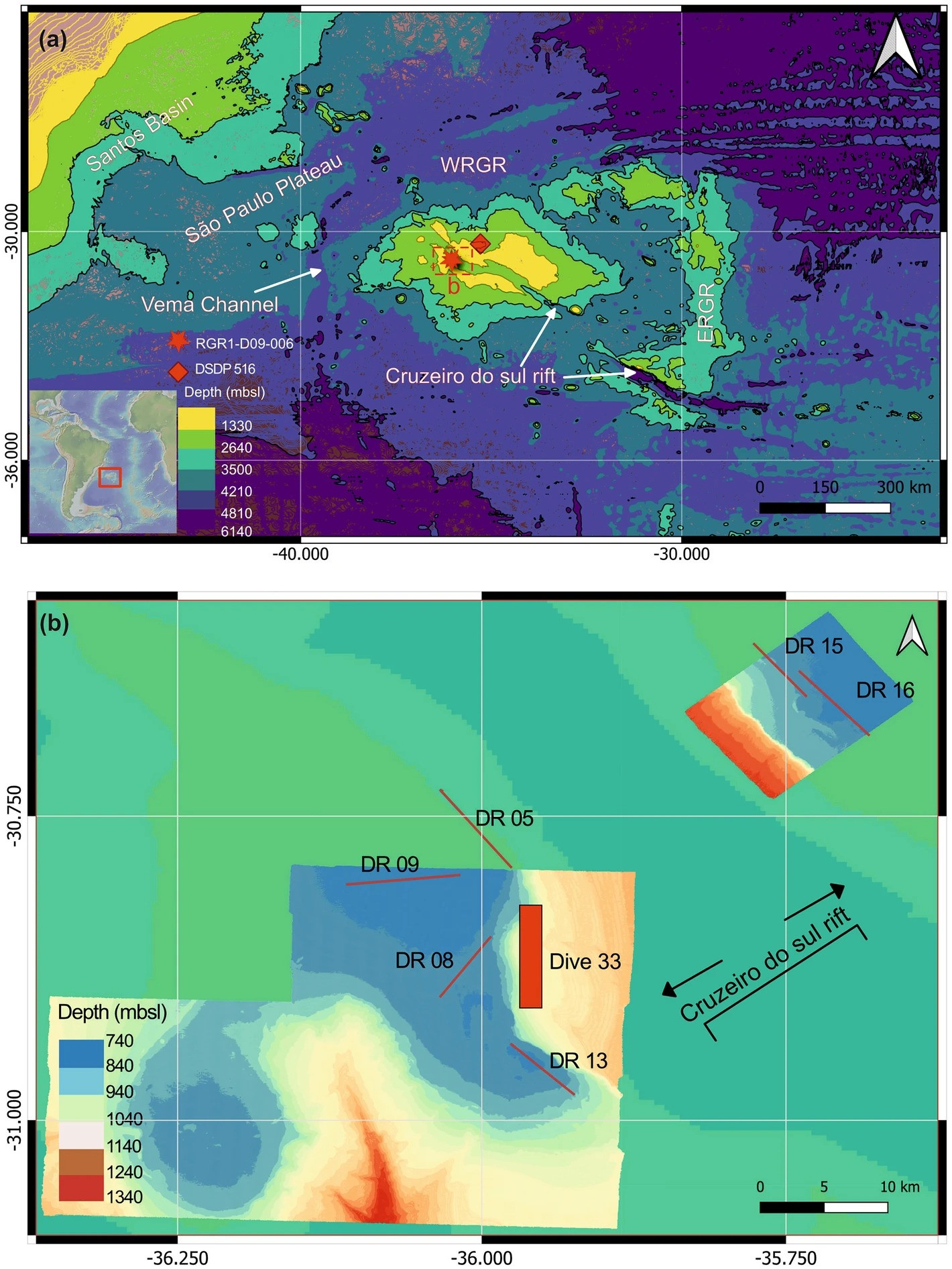
For geologists, the most fascinating aspect of this find is how the long-submerged island has left enduring clues in the geological record millions of years later.
- Categories:
- Science






0 comments
Sign in to Comment