
Researchers have identified a new mosasaur species, Pluridens imelaki, from Late Cretaceous phosphate layers in Morocco. This species is estimated to surpass 9 meters in length and belongs to a group of mosasaurs characterized by their slender jawbones. University of Bath’s Dr. Nicholas Longrich noted that Pluridens imelaki rivals some of the largest predatory mosasaurs discovered in the area.
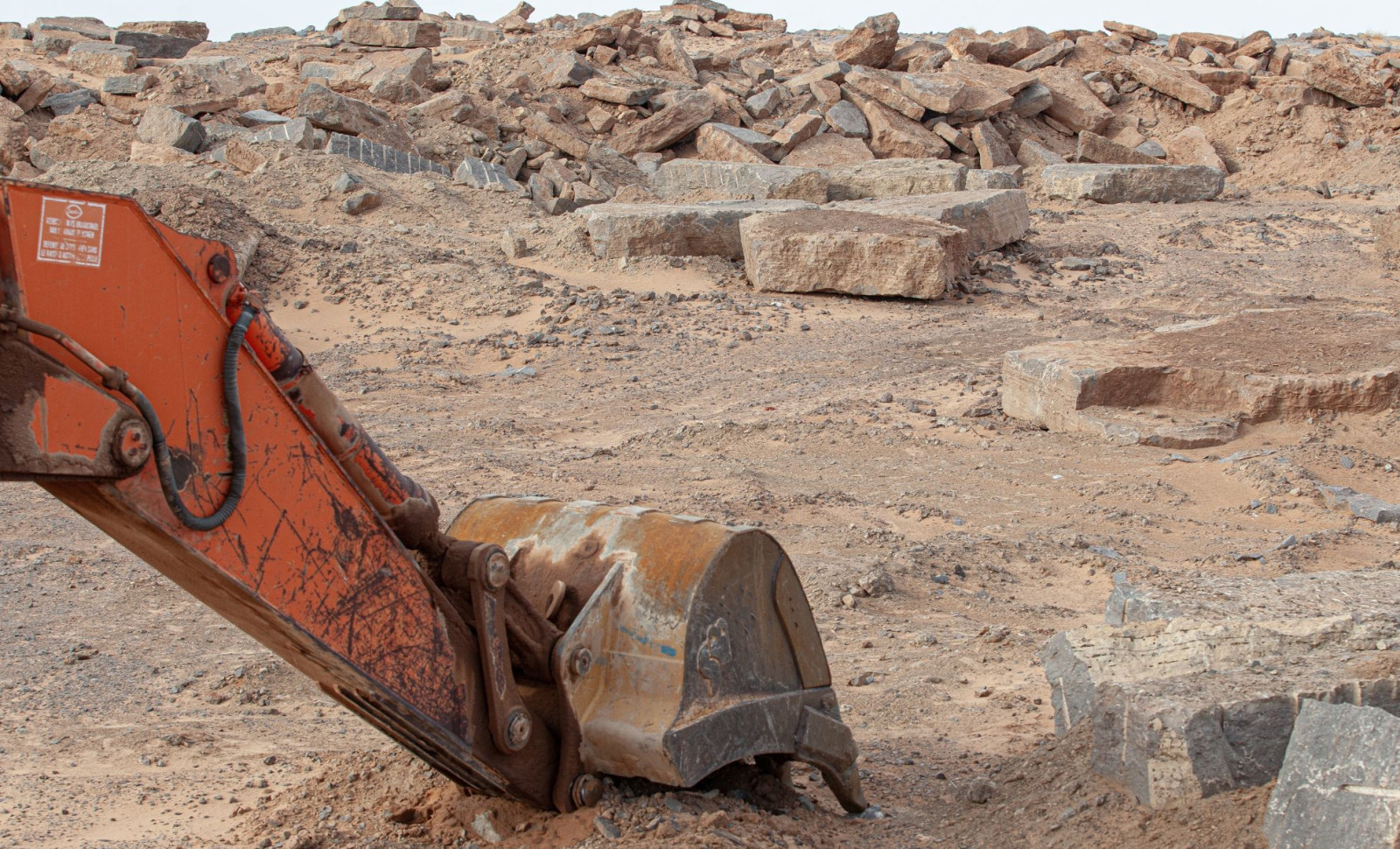
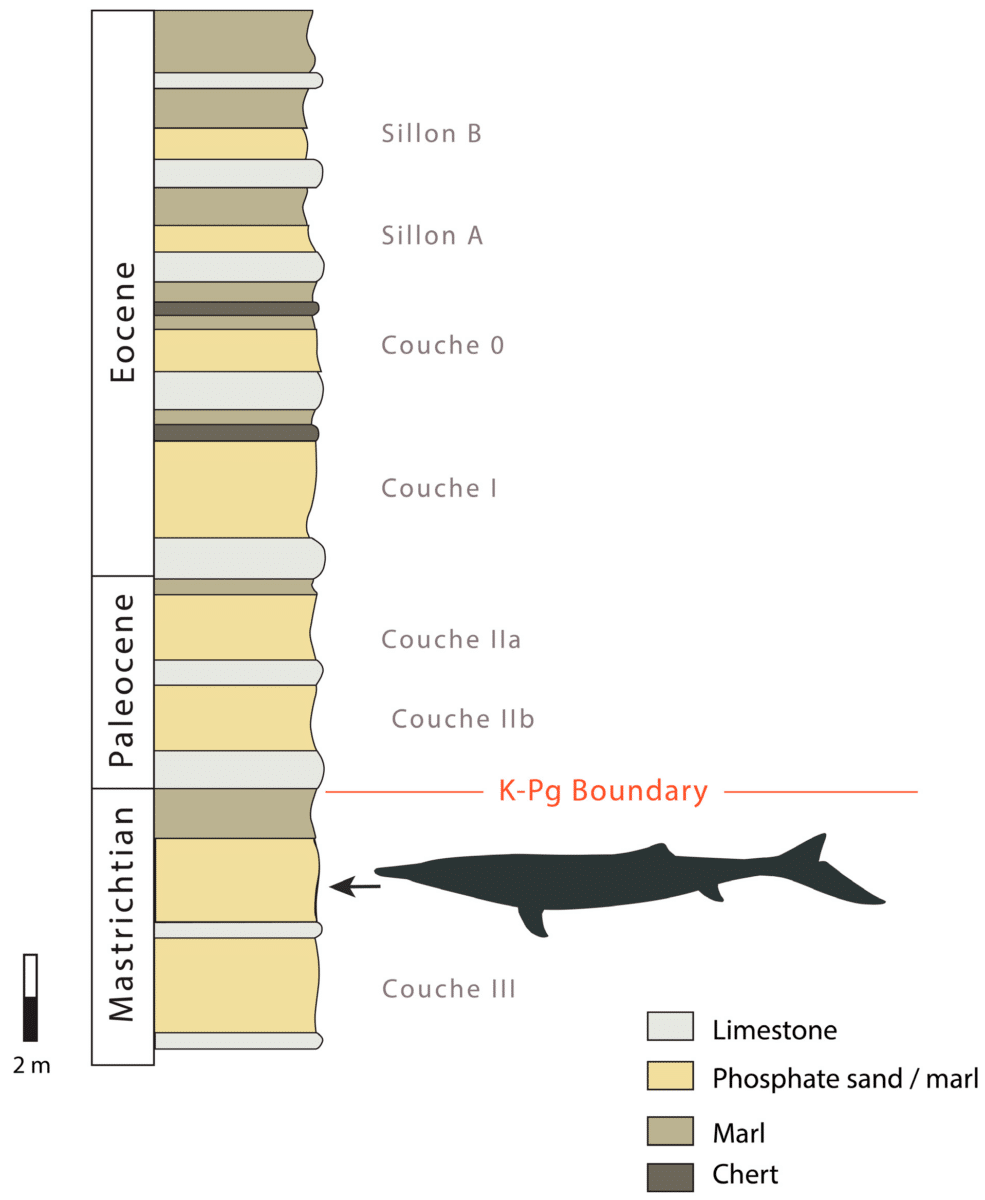
The fossil remains were uncovered in the phosphate deposits of Sidi Chennane, within Morocco’s Khouribga region. Dating back approximately 66 to 67 million years to the latest Maastrichtian age of the Cretaceous period, this find sheds light on prehistoric marine life.
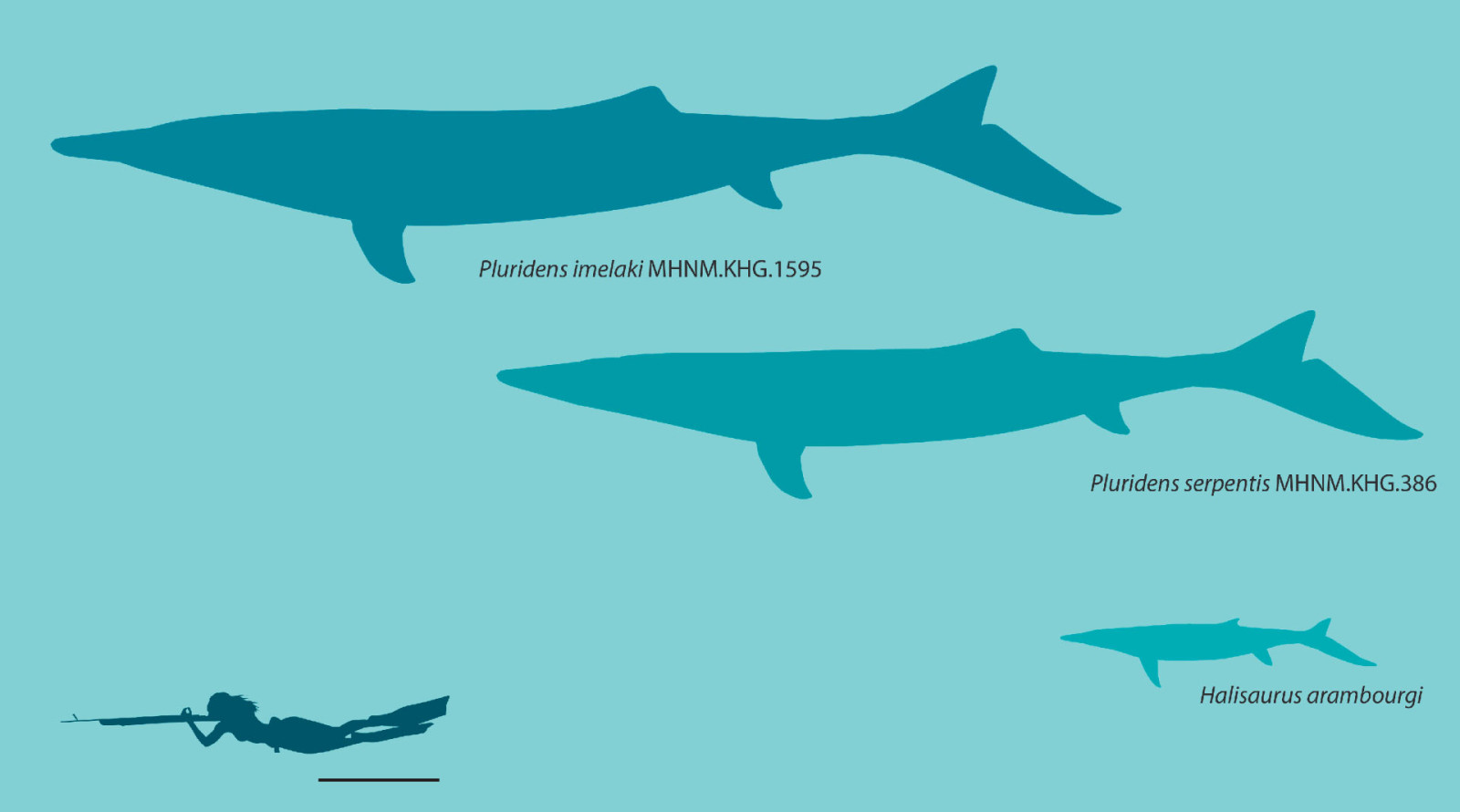
This discovery challenges previous beliefs about the Halisaurinae subfamily, once thought to comprise mainly smaller species, by revealing significantly larger members that exceed other genus counterparts in size.

Reevaluating Mosasaur Size in the Late Cretaceous
Mosasaurs belonging to the Halisaurinae were long assumed to be smaller compared to other groups like Mosasaurinae. However, the discovery of Pluridens imelaki establishes it as one of the largest known within its genus. Earlier species of Pluridens typically ranged from 4 to 7.5 meters long, making this new species a remarkable size increase. Muséum National d’Histoire Naturelle’s Dr. Nour-Eddine Jalil commented:
“Rather than simply being outcompeted by Mosasaurinae, the Halisaurinae staged a minor adaptive radiation in the Late Cretaceous and were important members of the ecosystem in low latitudes.”
Dr. Nicholas Longrich emphasized that the Late Cretaceous period experienced a surge in mosasaur variety, particularly within Morocco. The nation’s phosphate layers have unveiled over sixteen species of mosasaurs, spanning all four principal mosasaur groups: Mosasaurinae, Plioplatecarpini, Tylosaurinae, and Halisaurinae. According to Dr. Longrich:
“The most diverse known mosasaurid assemblage, and possibly the most diverse marine reptile fauna in the world, comes from the Late Maastrichtian phosphatic beds of Morocco.”
Insights Gained from This Remarkable Fossil
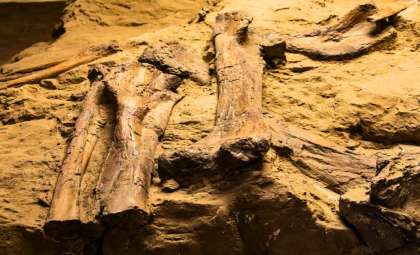
The fossilized remains of Pluridens imelaki include a 1.25-meter-long skull along with lower jawbones. These phosphatic deposits are part of an extensive marine sediment sequence formed along the eastern Atlantic margin during the Late Cretaceous to Early Paleogene. The site is renowned for its abundant marine reptile fossils, especially various mosasaur species.
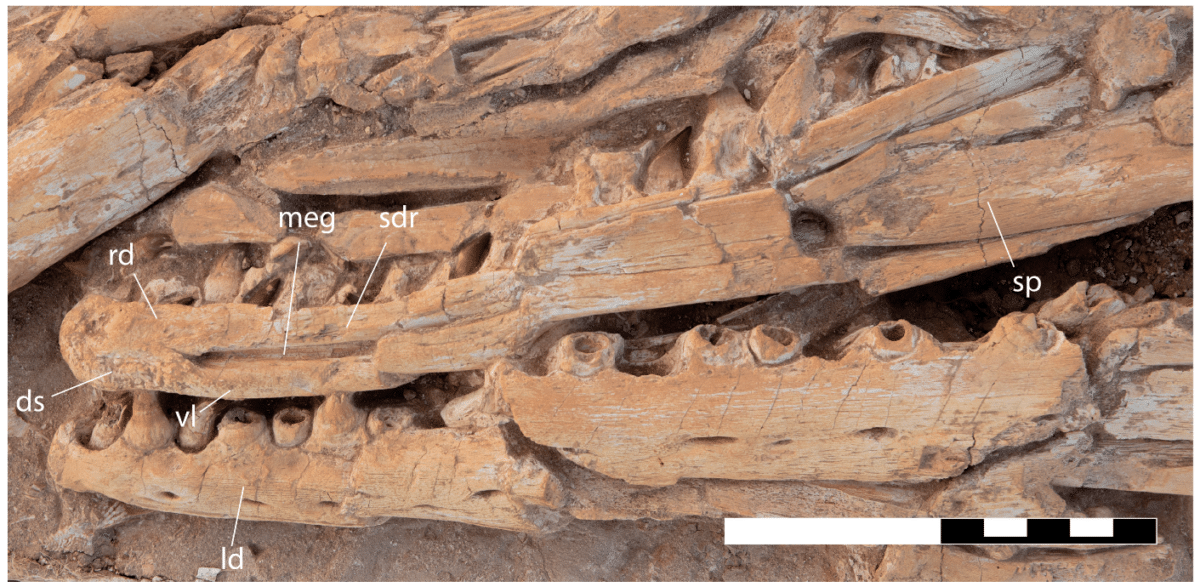
Published in Diversity, the study highlights that distinct differences in jaw architecture, tooth form, and eyeball size suggest this mosasaur occupied a specialized ecological role. While its exact diet remains unknown, the evidence points to adaptations suited to a unique marine niche in the Late Cretaceous seas. Both Dr. Longrich and Dr. Jalil stated:
“Pluridens imelaki reveals that Halisaurinae were not only more species-rich than previously recognized, but also exhibited greater diversity in tooth morphology, jaw shape, and body size than previously thought.”
A Treasure Trove for Paleontologists in Moroccan Phosphate Fields
The phosphate-rich layers in Morocco are a key source for Late Cretaceous marine fossils. The Sidi Chennane site, in particular, has provided numerous mosasaur species, ranking it among the most bountiful marine reptile fossil localities worldwide.
Dr. Longrich pointed out that these deposits offer crucial windows into the marine ecosystems of the Late Cretaceous, featuring representatives from each of the four main mosasaur subfamilies.
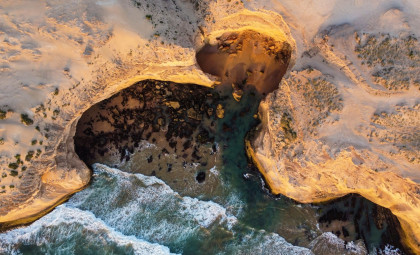
“The phosphate beds represent a marine upwelling zone, which was laid down in a shallow marine embayment along the eastern margin of the Atlantic between the Late Maastrichtian and the Early Eocene,” explained the researchers.
- Categories:
- Science



0 comments
Sign in to Comment