
Meta continues to push the boundaries. Following its transformative impact on social media and significant investments in AI and virtual reality, Mark Zuckerberg’s tech empire is now venturing beneath the oceans.
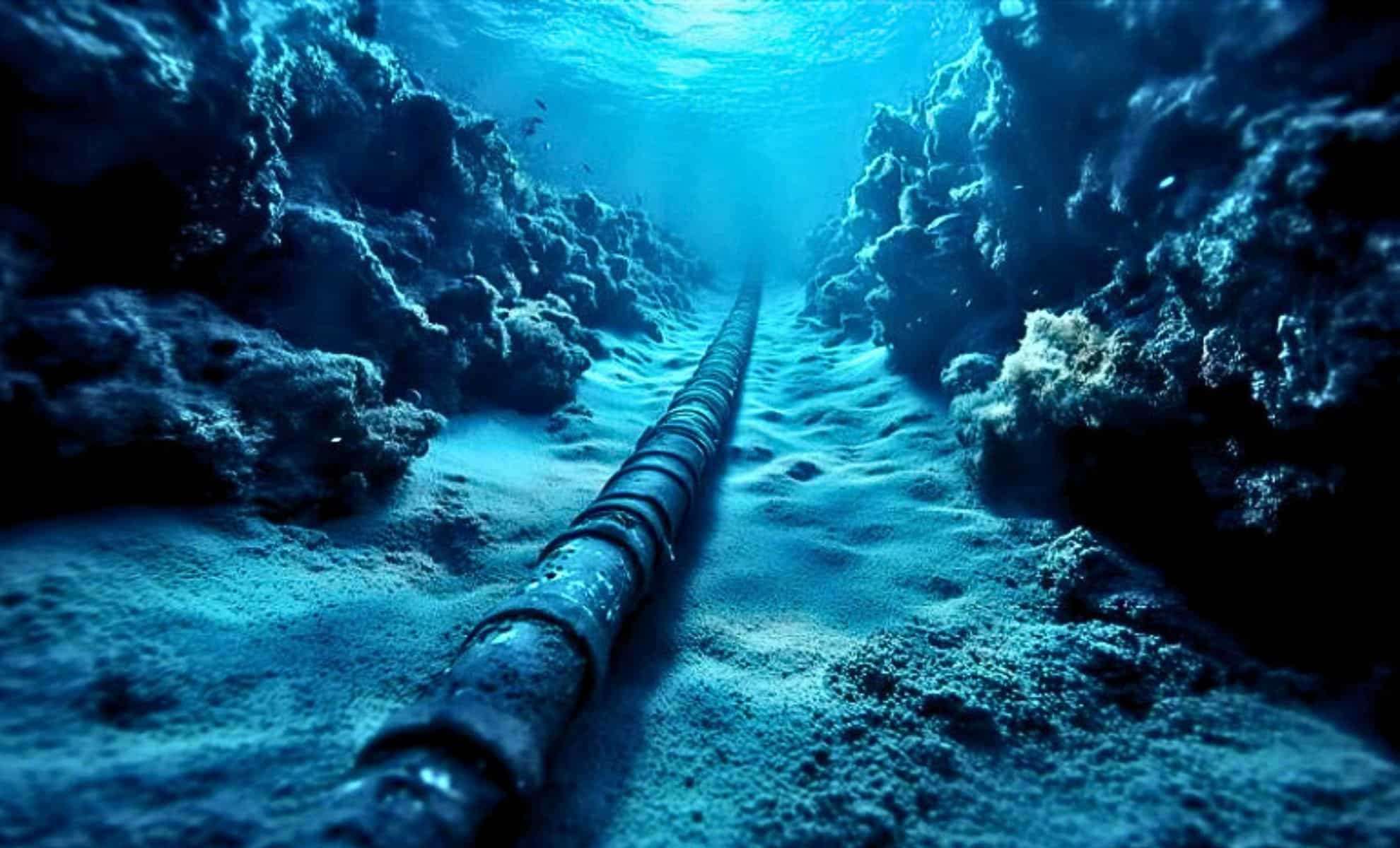
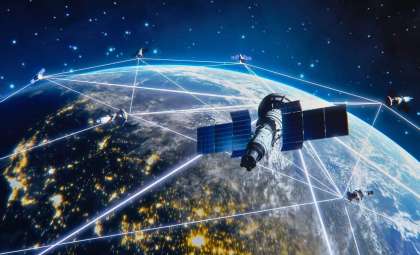
The company’s newest initiative, Waterworth, aims to create a monumental 50,000-kilometer submarine cable—the longest ever constructed—to connect continents around the world. The objective is clear: to dramatically enhance worldwide connectivity and support the surging needs of immersive digital experiences and artificial intelligence.
Creating a Vast Network for Tomorrow’s Demands
Waterworth stands apart from traditional undersea cables. Rather than the usual 8 to 16 fiber pairs, this cable will feature 24 fiber pairs, enabling unprecedented data capacity.

Meta plans to install this cable as deep as 7,000 meters beneath the sea surface in vulnerable areas, safeguarding it from earthquakes and accidental physical damage, while optimizing it for high speed and durability.
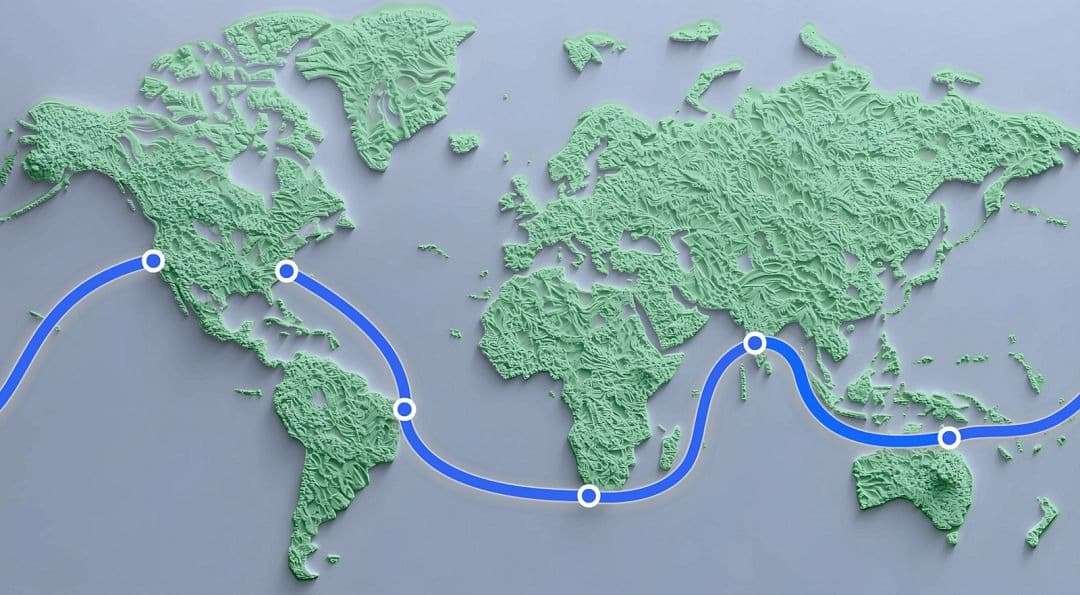
An intriguing aspect of the project is its route. It will connect key hubs in New York, Los Angeles, Brazil, South Africa, and Asia, but noticeably excludes Europe.
Whether this indicates a strategic bid for greater autonomy from European infrastructure remains unconfirmed, with Meta choosing to keep its reasoning under wraps.
Enabling Large-Scale AI and Virtual Reality Connectivity
What motivates such an enormous undertaking? The growing demand for bandwidth is the driving force. Meta is heavily investing in cloud gaming, mixed reality, and AI—fields that require huge data throughput. With its Quest VR devices, AI-powered innovations, and metaverse plans, robust infrastructure is vital.
“As AI transforms multiple sectors and societal functions, network robustness and capacity become critical,” Meta states. Waterworth is intended to provide its own dedicated data routes, minimizing dependence on external providers and enhancing seamless data transmission across the globe.
The Vulnerabilities of Submarine Cables
Currently, there are about 600 subsea cable systems with close to 1,700 landing stations worldwide, either active or in development, as reported by telecom analysis firm TeleGeography.
Meta has been a key player in this area, having launched 20 submarine cables, including the ambitious 2Africa Pearls extension—a 45,000-kilometer network linking Africa, Europe, and Asia. The company is part of a broader wave of US tech giants expanding their investments in underwater cable infrastructure.
Notably, in 2024, Google revealed plans for a $1 billion (€960 million) investment in two new cables across the Pacific to Japan and the development of another to connect Africa to Australia.
High-Stakes Investment for a Digital Future
While Meta has not disclosed the full cost, projects of this magnitude typically require multi-billion-dollar expenditures over many years. This ambitious move reflects Mark Zuckerberg’s vision to dominate the future landscape of the internet.
The ultimate question is whether Waterworth will fulfill its lofty goals or join the ranks of vast but unfulfilled ventures. One thing is certain: Meta is accelerating its drive toward reshaping global connectivity.
- Categories:
- Tech




0 comments
Sign in to Comment