
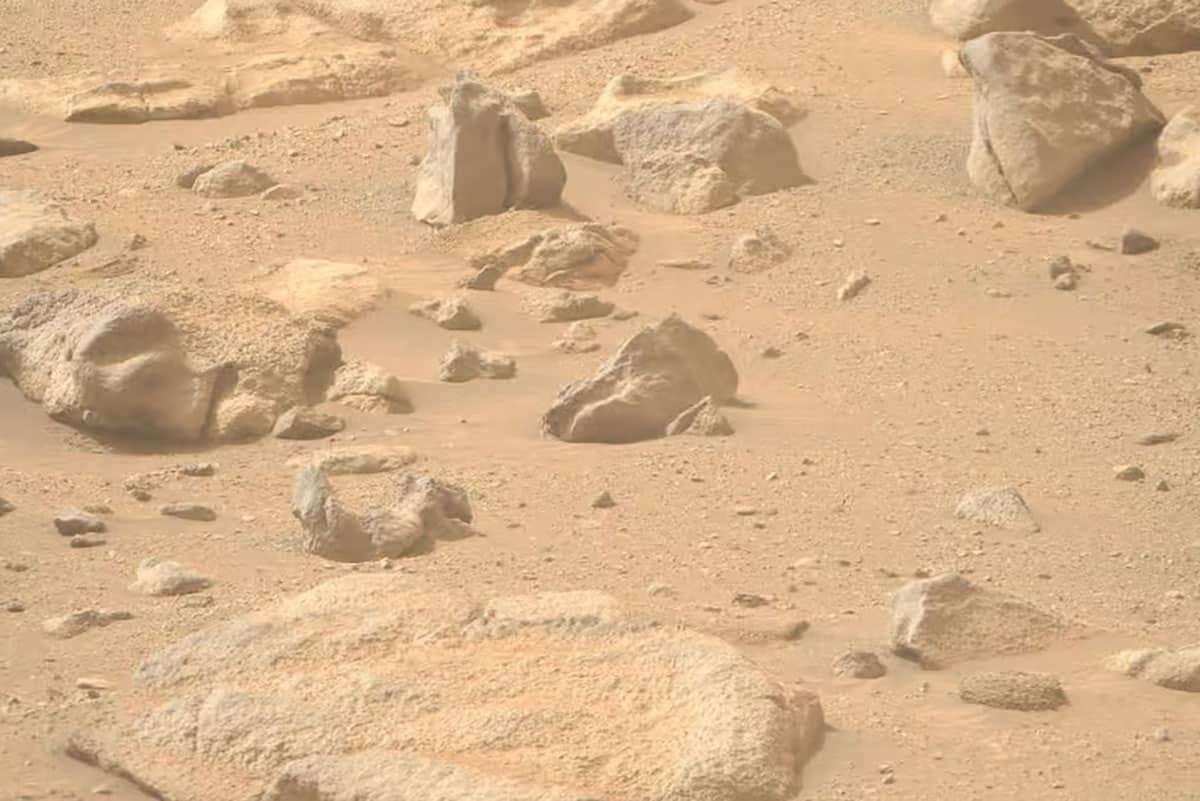
The enigmatic terrains of Mars keep fascinating scientists and enthusiasts alike with their unusual rock shapes and terrains. Recently, NASA’s Perseverance rover took an image showcasing what looks like a "frowning face" etched on the Martian ground. This intriguing find has reignited conversations about pareidolia and the remarkable patterns we observe on Mars.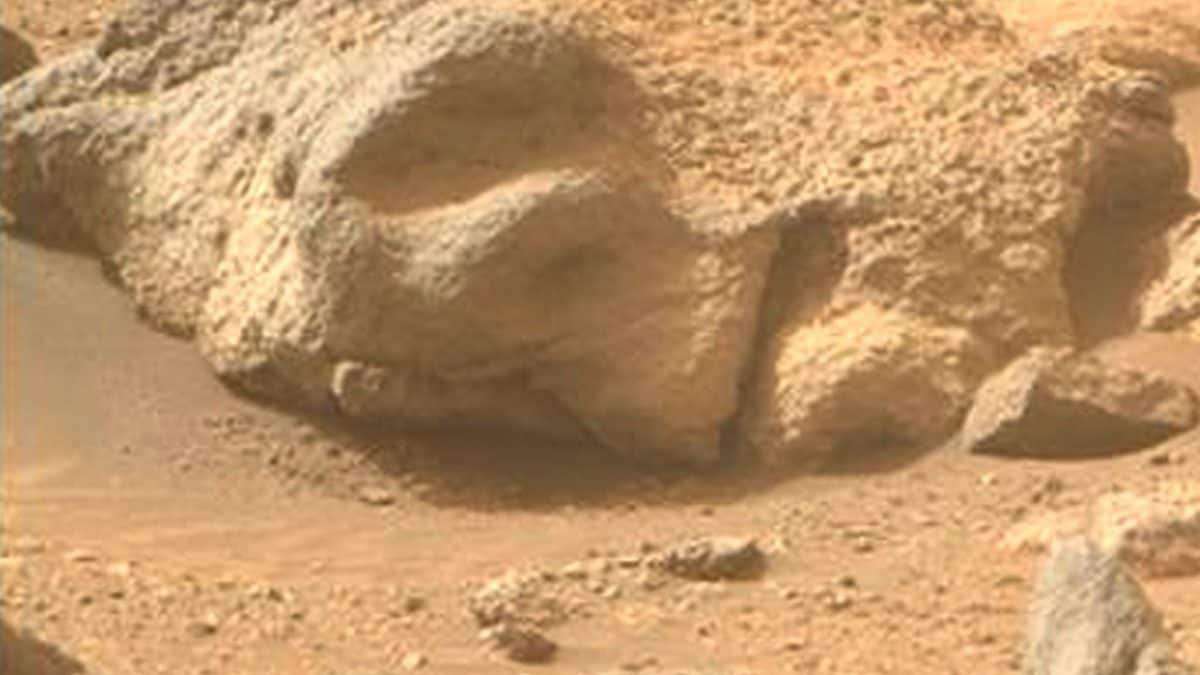
Discovering Mars’ cryptic shapes: From spider-like designs to expressions in stone
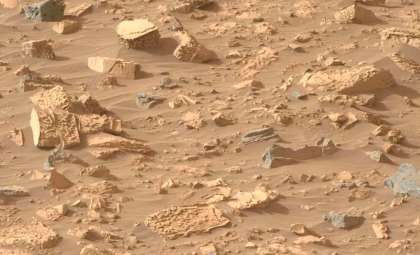
Mars exploration has revealed a fascinating array of natural curiosities — from formations resembling spiders to faces and even mysterious archways. These images have captivated both scientists and the public. On September 27, 2024, the Perseverance rover added a new moment to this series by photographing a rock formation that appears to show an irritated facial expression on the Martian surface.
This fascinating feature joins other extraordinary Martian discoveries. Notably, unusual underground structures on Mars have also been detected recently using advanced gravity mapping, revealing even more about Mars’ complex geology.

The ‘frowning face’ rock cluster, positioned on the left side of the photo, exhibits clear characteristics that include:
- An apparent mouth
- Nostrils
- Eye-like shapes
- A pointed “head” shape
Though captivating, it is important to grasp the cognitive effect behind interpreting such visuals.
Understanding pareidolia: Why we see faces on other planets
Pareidolia is a psychological effect that causes people to interpret vague or random elements as recognizable objects, especially faces. This brain function explains why shapes in clouds or random patterns often appear familiar. When applied to space imagery, pareidolia significantly influences how we perceive objects on distant celestial bodies.
The Martian “frowning face” serves as a textbook example of pareidolia beyond Earth. Our brains, primed to detect facial patterns, interpret the random arrangement of rocks and shadows as an annoyed visage. This tendency isn’t limited to Mars; it shapes our perceptions of moons, planets, and galaxies across the cosmos.
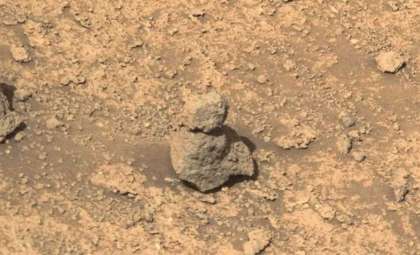
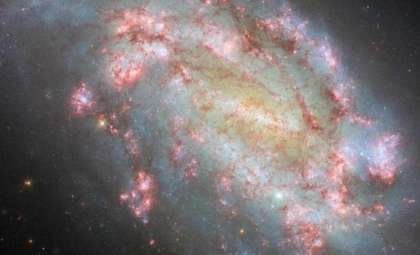
Here is a brief overview of notable pareidolia examples discovered in space:
Real Martian mysteries: From lab simulations to authentic phenomena
While pareidolia explains some Martian shapes, others arise from genuine geological processes. Earlier in 2024, unusual spider-like patterns seen on Mars received much attention. Researchers discovered these structures formed through intricate geological activity influenced by seasonal shifts and solar energy on Mars.
To study these phenomena in detail, NASA designed advanced lab simulations. On September 11, 2024, the agency announced that it successfully recreated the "Martian spider" formations using DUSTIE (Dirty Under-vacuum Simulation Testbed for Icy Environments). This achievement highlights how laboratory models help decode Mars’ complex processes.
Though NASA is unlikely to replicate the “frowning face” rock in a lab, its presence offers valuable clues about Martian history. Analyzing it further might shed light on:
- Mars’ geological evolution
- Historical environmental conditions
- Possible traces of ancient microbial life
Perseverance’s journey: Exploring the secrets of Mars
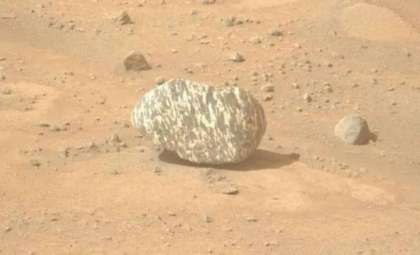
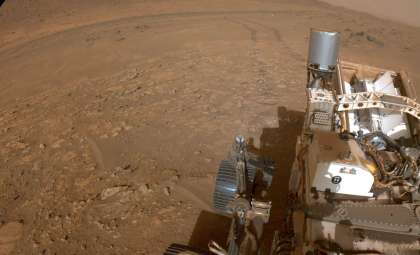
The Perseverance rover remains key to unlocking Mars’ secrets. Beyond capturing unusual rock patterns, it recently uncovered peculiar black-and-white striped stones. Such discoveries enhance our knowledge of Mars’ intricate geology and habitability prospects.
As the rover moves across Martian terrain, it gathers critical data on:
- Composition of rocks and soil
- Atmospheric dynamics
- Signs of potential biological activity
- Geological history and features
Each new finding, whether odd or scientifically significant, brings us closer to understanding Mars. While the “frowning face” might be a trick of the mind, it symbolizes the endless marvels awaiting discovery on the Red Planet.
- Categories:
- Nasa







0 comments
Sign in to Comment