
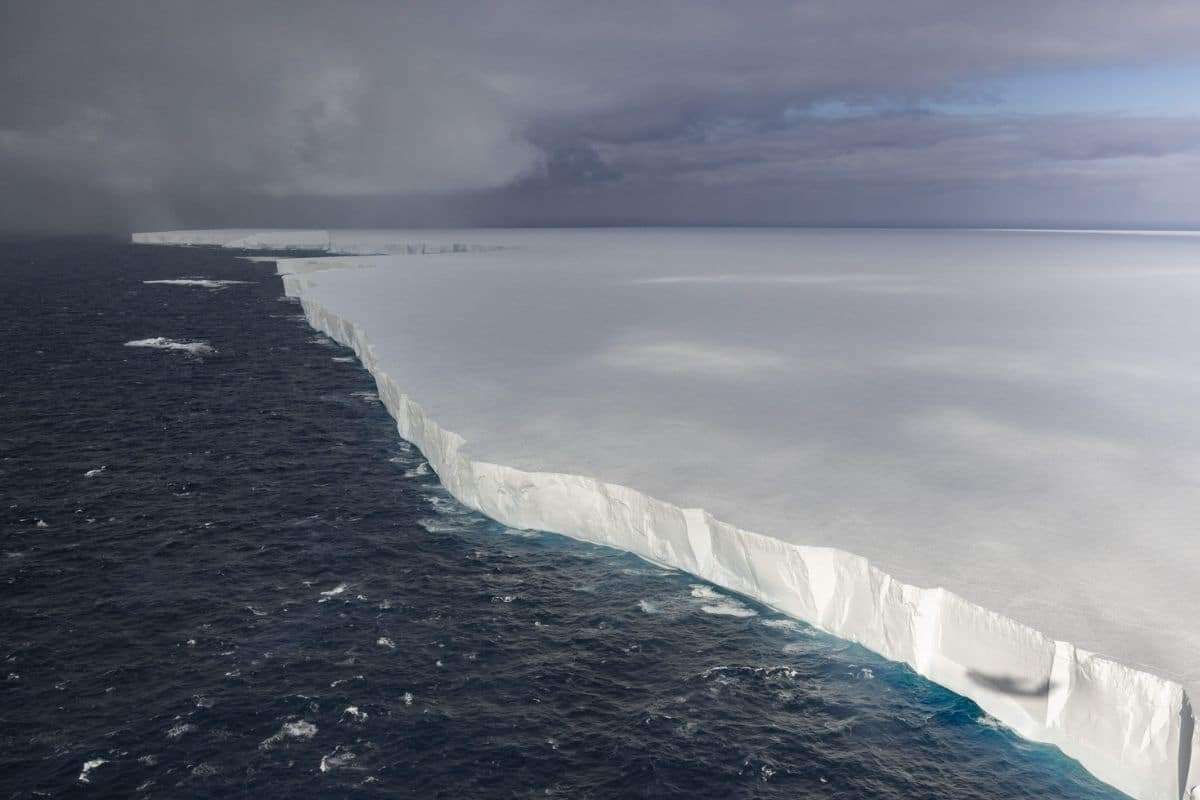
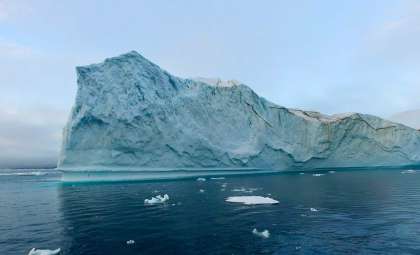
The immense iceberg known as A23a, currently the largest on the planet, is steadily advancing towards the isolated island of South Georgia in the South Atlantic Ocean. This gigantic slab of ice originally separated from the Filchner Ice Shelf in Antarctica’s Weddell Sea back in 1986. After remaining grounded in shallow waters for many years, it finally began to move in 2020.
Currently, its trajectory is aimed directly at South Georgia, raising questions among researchers about how it might influence the island’s delicate natural environment.
A Gigantic Ice Mass Drifting Toward South Georgia
Measuring an impressive 150 kilometers in length and 60 kilometers across, iceberg A23a has been gradually drifting across the southern oceans. Once immobile for decades, it resumed movement in 2020 and started heading toward the southern shores of South Georgia, a critical habitat supporting large breeding and feeding populations of wildlife.

Scientists are monitoring the iceberg’s course with great attention, as a direct strike could potentially disturb local ecosystems that are vital for species such as king penguins, albatrosses, and various seal species.
Should A23a ground against the island, it might obstruct important access points for these animals, causing significant disruption to their populations. However, experts consider a direct collision to be unlikely.
Could There Be an Upside?
Although the iceberg’s arrival may appear threatening, it could also bring unexpected ecological benefits. If A23a becomes lodged nearby, it could alter local water currents, potentially boosting the delivery of nutrients to the surrounding waters.
This nutrient influx could enhance food availability for the island’s wildlife, benefiting breeding colonies. In this case, what seems like a hazard might ultimately support the ecosystem’s health and resilience.
Iceberg Calving and Climate Dynamics
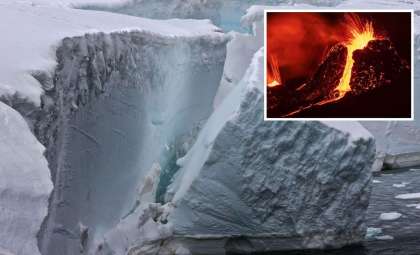
The process of iceberg calving—where vast pieces of ice detach from ice shelves—is occurring more frequently, largely driven by climate change.
Rising temperatures in the atmosphere and ocean are accelerating the melting of Antarctic ice. As these ice shelves weaken, massive icebergs such as A23a can calve off and drift away, contributing to sea level rise.
This shift is prompting broader environmental changes, affecting not only polar ice but also the marine ecosystems connected to them. Warmer ocean waters are reshaping Southern Ocean currents and influencing food chains.
The Legacy of Icebergs at South Georgia
Known for its frequent encounters with drifting icebergs, South Georgia lies along a route commonly called “Iceberg Alley” due to the many large ice blocks passing nearby.
Scientists have studied these icebergs for years, using their patterns to gain insight into the condition of Antarctica’s ice shelves and the ecosystems they impact.
The recent rise in iceberg size and numbers has made South Georgia a key location for understanding the ongoing effects of climate change on polar marine environments.
- Categories:
- Climate change







0 comments
Sign in to Comment