
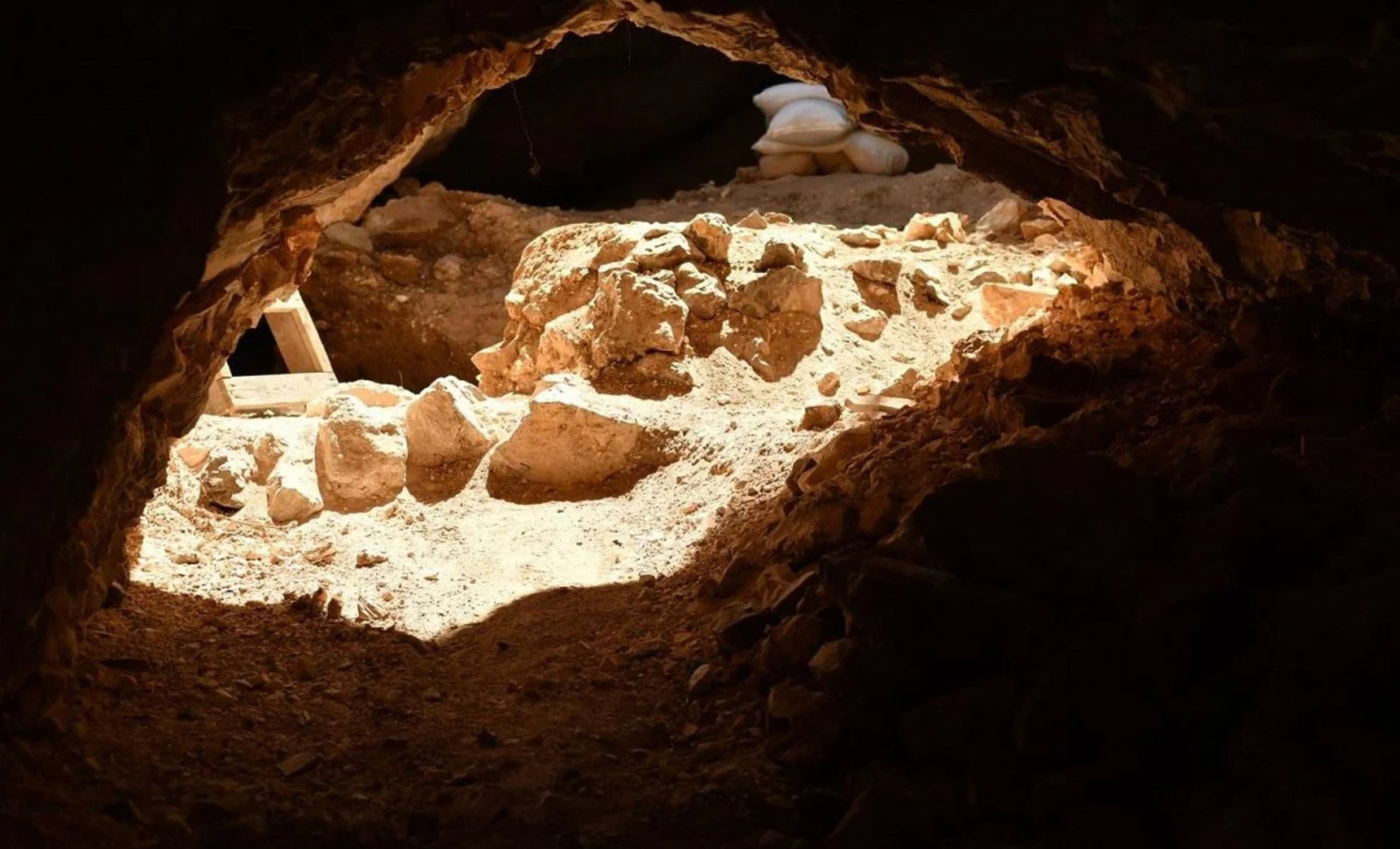
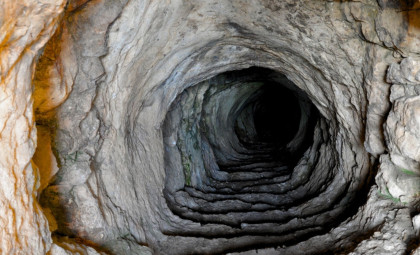
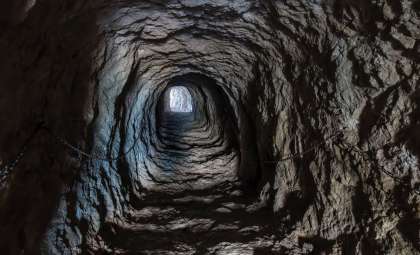
During recent digs close to Kibbutz Ramat Rachel in Jerusalem, a vast underground tunnel has come to light, baffling archaeologists. Initially mistaken for a natural cave within the rocky landscape, further investigation revealed an extensive man-made passage stretching about 50 meters (164 feet) through solid rock.
The excavation, led by the Israel Antiquities Authority, took place ahead of construction on a new residential area planned by the Israel Lands Authority. This development spans approximately 58 dunams and is set to contain 488 housing units along with commercial spaces, workplaces, an elementary school, and kindergartens.
Interest in the discovery arises not from artifacts or historical clues but from the complete lack thereof: no material to date the tunnel, no object revealing its purpose, and several sections inaccessible due to collapses, all of which hinder thorough analysis.

A Vast Subterranean Tunnel Clearly Crafted by Humans
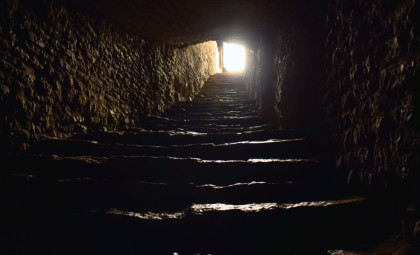
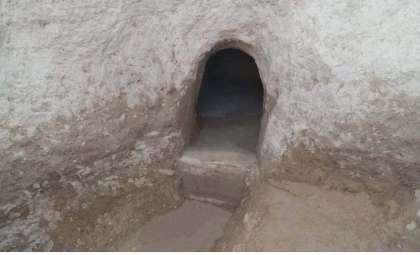
Access to the tunnel is via a stone-carved staircase descending to its entrance. Inside, layers of compacted soil accumulated over long periods were found.
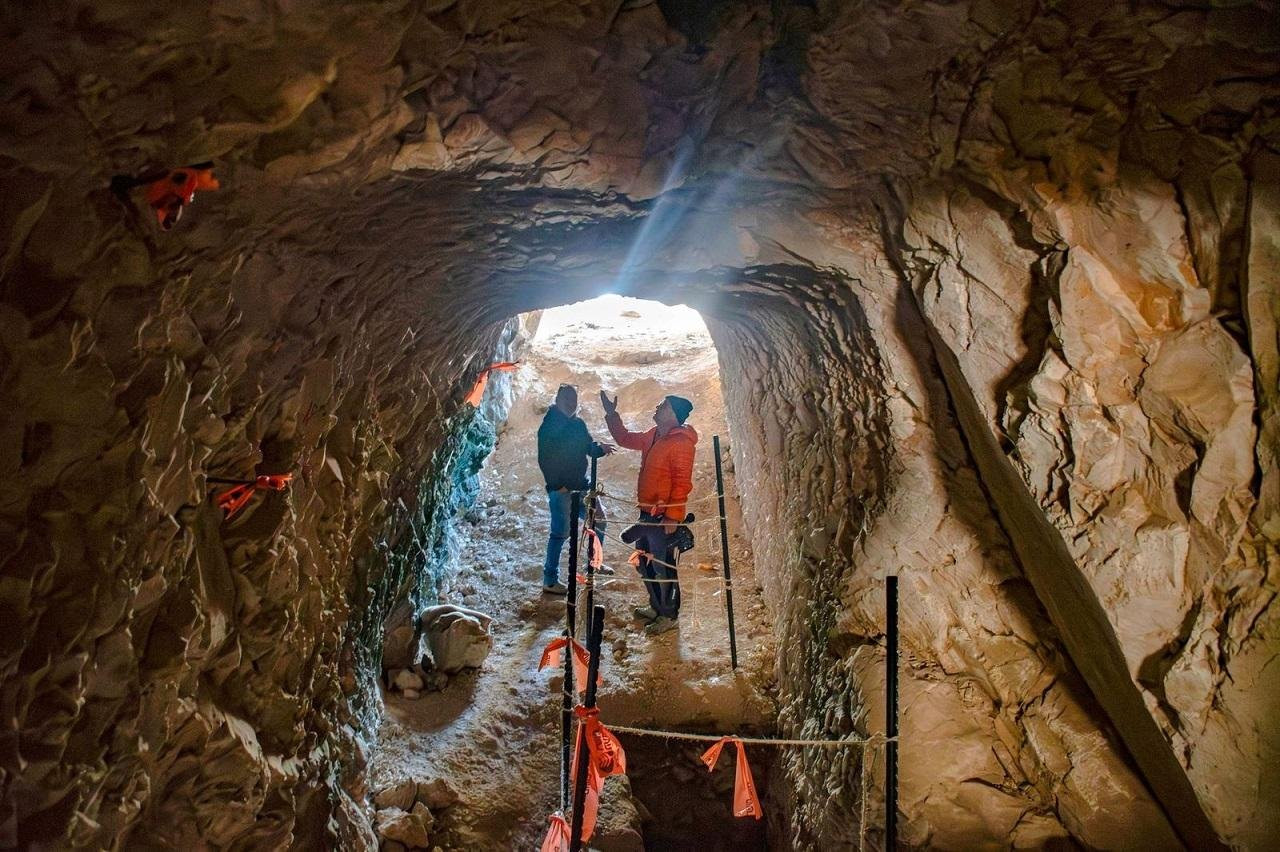
According to a release from the Israel Antiquities Authority, exploratory digs in several locations revealed the tunnel reaches heights of up to 5 meters (16 feet) and widths of about 3 meters (10 feet). The team noted:
“The quarrying was executed meticulously. It is clear that whoever carved this tunnel invested tremendous effort, careful planning, and possessed the capabilities and resources necessary to achieve this goal.”
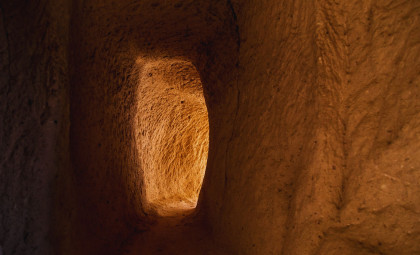
Distinct markings on the tunnel walls indicate deliberate cutting, displaying relatively smooth surfaces and regular shapes. These features suggest a carefully designed project, rather than a natural formation. Despite this, the identity of those who created the tunnel remains unknown.
Refuting Theories of Water and Farming Functions
Initial hypotheses connected the tunnel to an ancient water channel intended to tap an underground spring, but this theory was weakened after further examination.
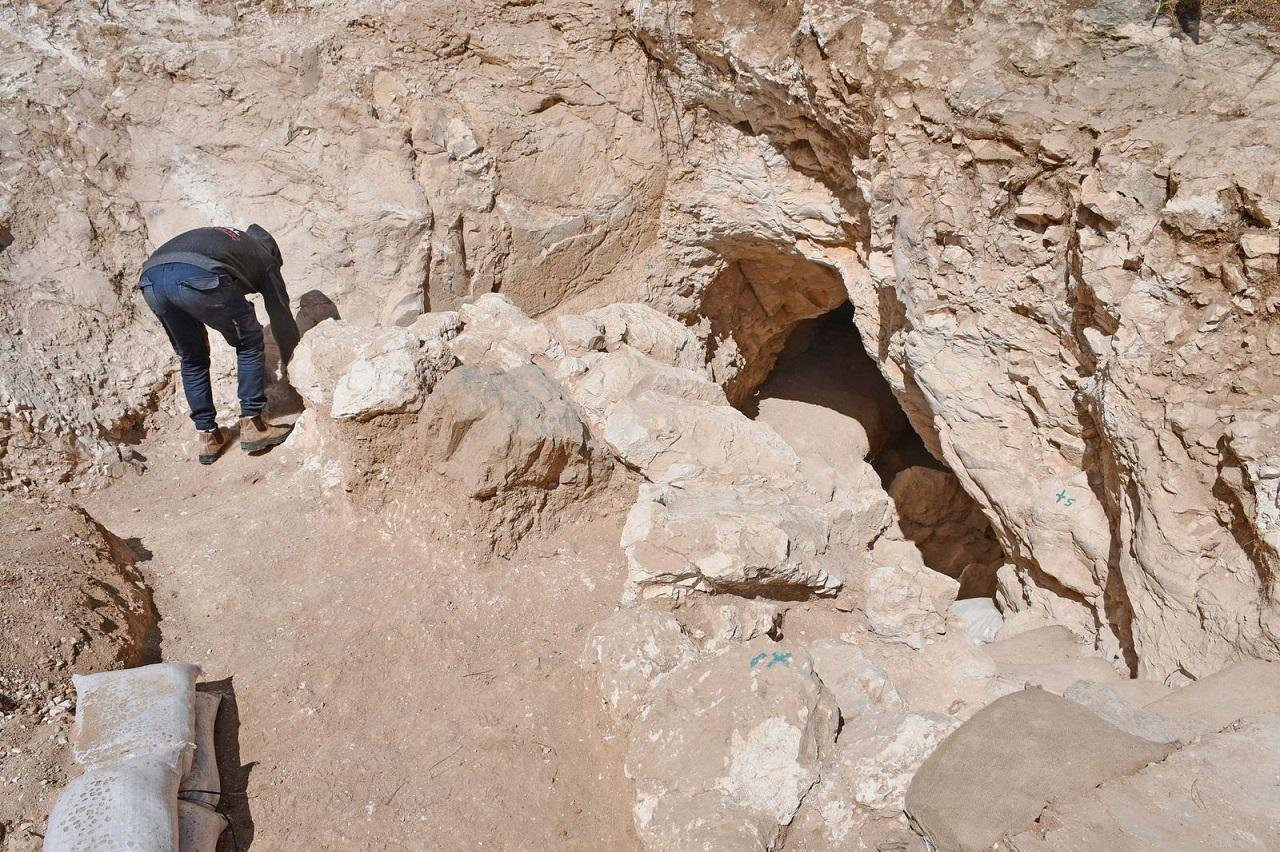
The Israel Antiquities Authority reported the absence of plaster on the walls, a material typically used in ancient hydraulic constructions to prevent leakage. Additionally, geological studies found no water source beneath the area, while no evidence of standing water or prolonged flow was detected inside the tunnel itself.
Researchers also entertained the possibility the tunnel served agricultural or industrial purposes. However, given its large scale and lack of parallels nearby, this remains unsupported. Confirming its function still eludes archaeologists.
Undatable Ancient Structure Poses a Persistent Mystery
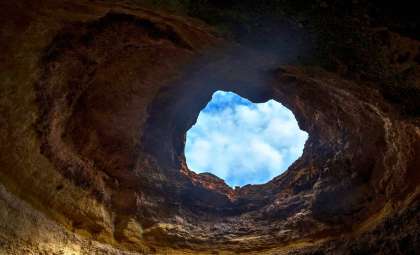
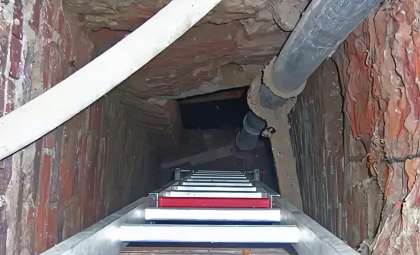
Observations suggest the tunnel makers might have aimed to access a chalk deposit for lime extraction or construction materials. A vertical shaft pierced through the ceiling, often used for air circulation in subterranean workspaces, reinforces this hypothesis. The floor also contained scattered quarry waste.
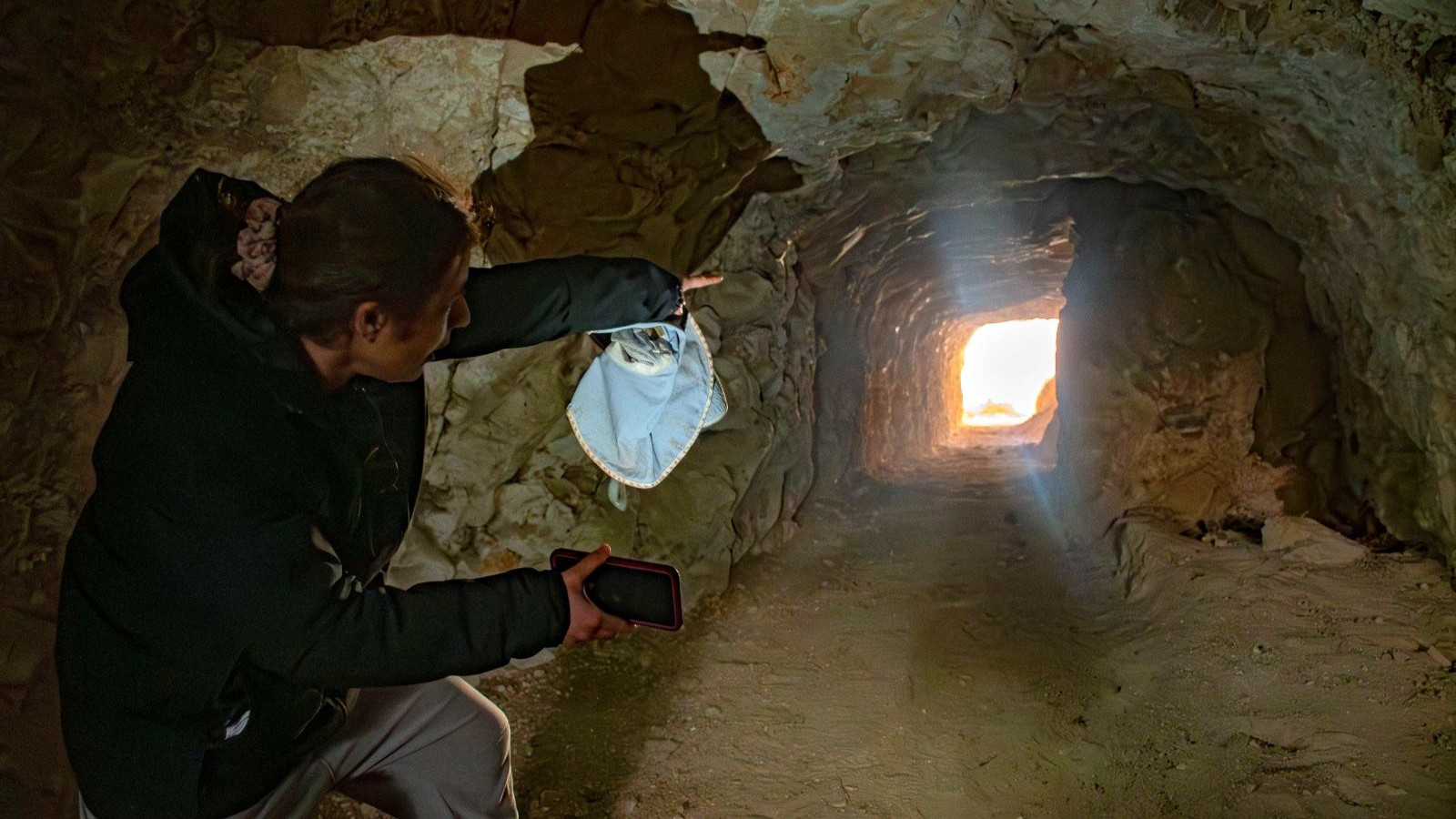
Alternatively, the project might have been left incomplete, which would explain the lack of indicators revealing its intended use.
Assigning a period to the tunnel remains a challenge. No pottery shards, tools, coins, or organic materials were uncovered to help pinpoint its age.
“The date of the tunnel is also a mystery to us, since not even the smallest find was uncovered that could indicate when it was created.” said Dr. Sivan Mizrahi and Zinovi Matskevich, excavation directors on behalf of the Israel Antiquities Authority. “At the same time, the tunnel lies only a few hundred meters, as the crow flies, from two significant ancient sites – a public building from the Iron Age (First Temple period) in the Arnona neighborhood, and Tel Ramat Rachel, where settlement remains dating from the Iron Age through the Islamic period have been documented.”
Excavations continue in sealed sections of the tunnel as experts persist in their quest to uncover clues that might shed light on who created it, during which era, and for what purpose this impressive subterranean construction was undertaken near Jerusalem.
- Categories:
- News



0 comments
Sign in to Comment