
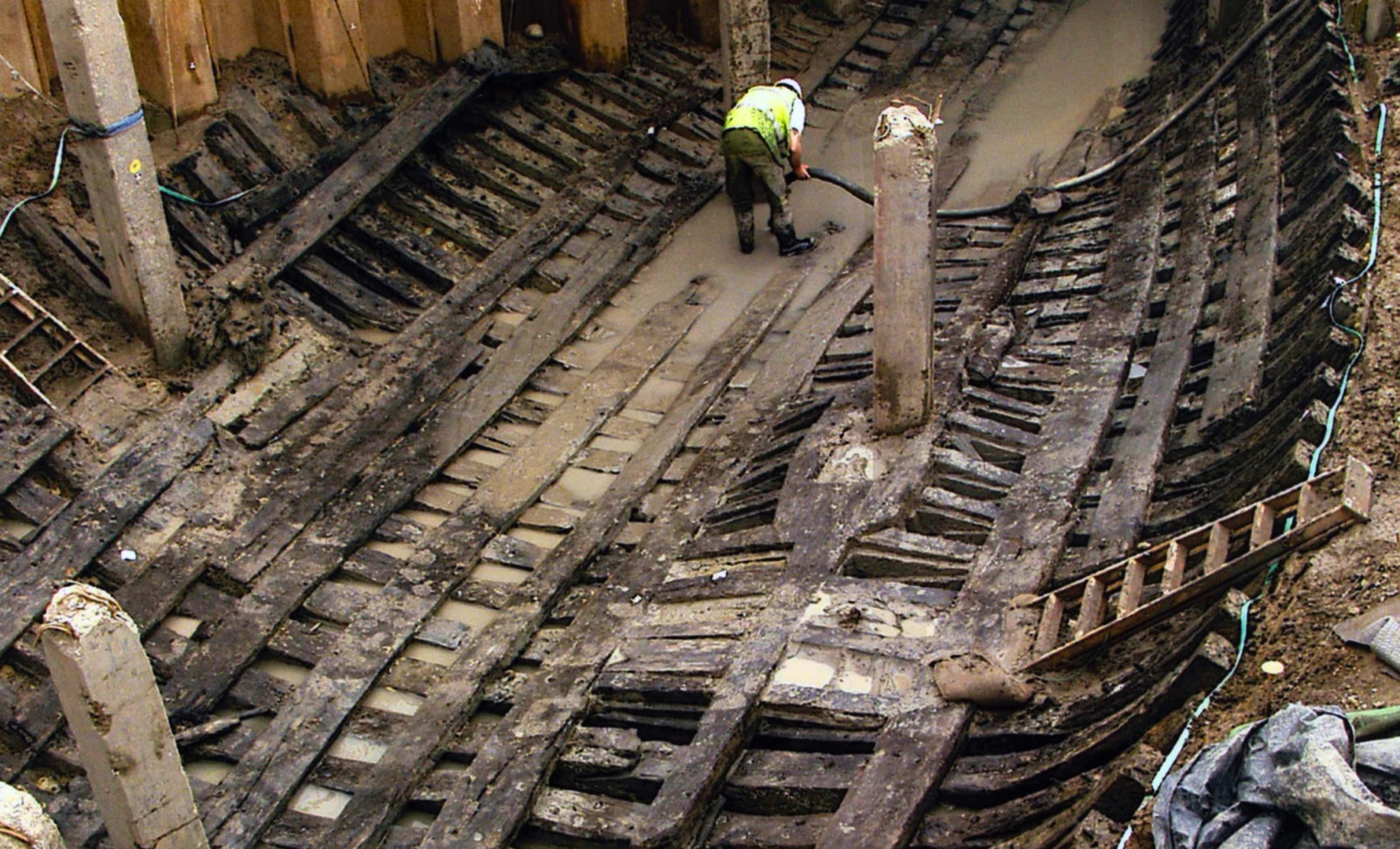
While excavating foundations for a new office building on Lootsi Street in Tallinn, workers uncovered the remains of a wooden ship just 1.5 meters beneath the surface on March 31, 2022. This vessel, a merchant ship from the 14th century measuring 24.5 meters long, 9 meters wide, and 4 meters high, has been buried beneath the city since around the 1360s. The Estonian Maritime Museum has identified it as among the largest medieval shipwrecks found in Europe in the last hundred years.
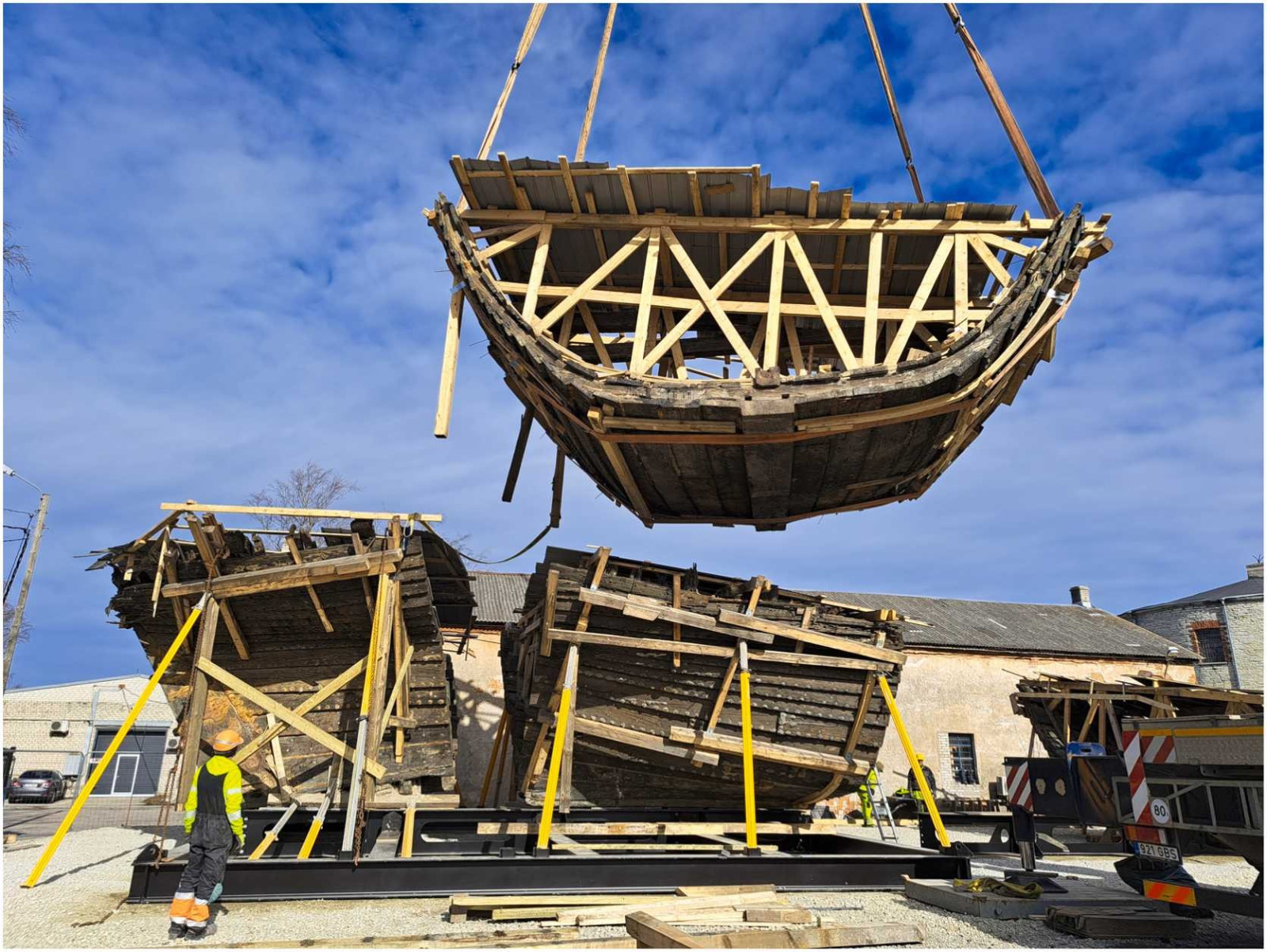
Extracting the ship required three months of meticulous planning and 13 hours to transport it. Engineers had to carefully segment the hull into four pieces to remove it. Tree-ring analysis dated the wood to roughly 1360, aligning with the era when Hanseatic trading fleets thrived in the Baltic and North Sea regions.
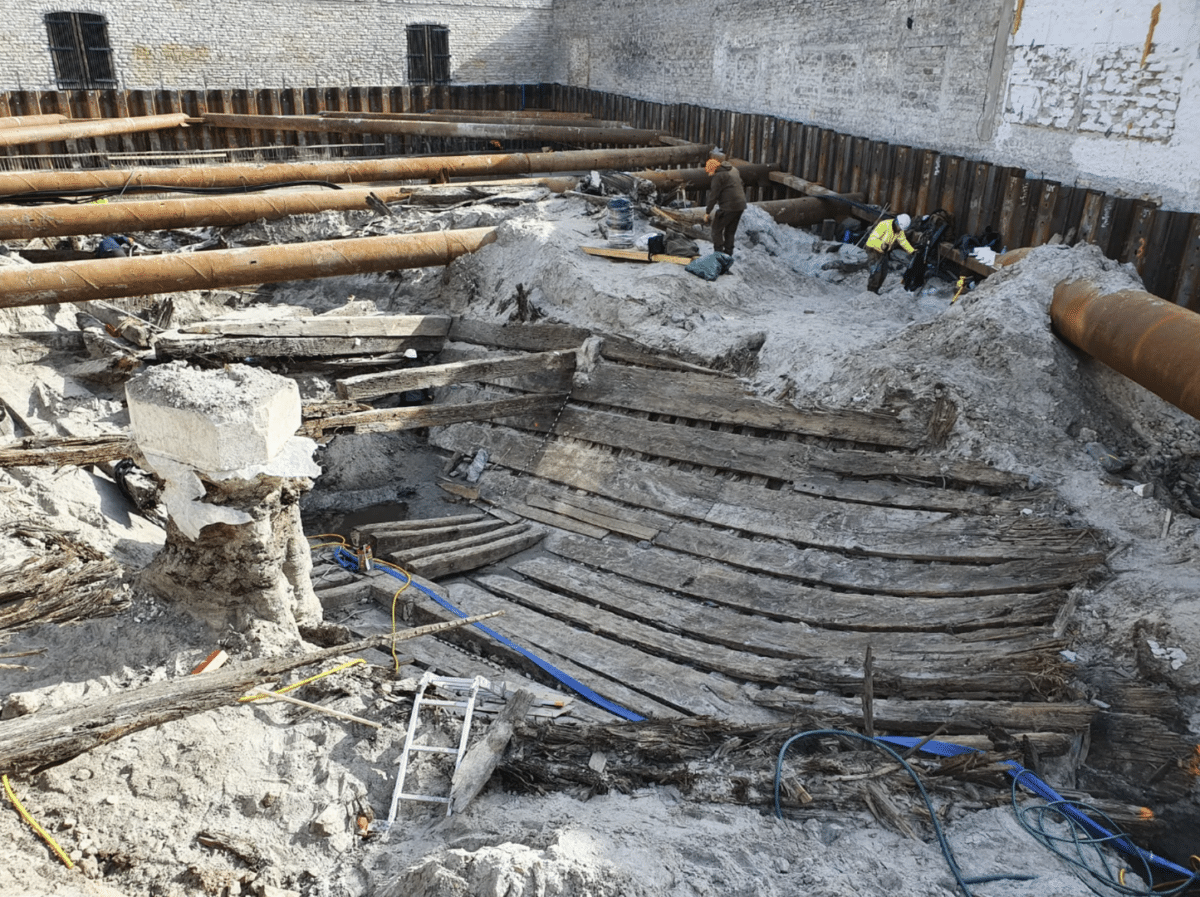
A peer-reviewed article published in March 2026 in the Journal of Cultural Heritage has sparked fresh debates regarding the ship’s place of manufacture and how it ended up beneath a busy street in central Tallinn.

A Rare Compass Discovery
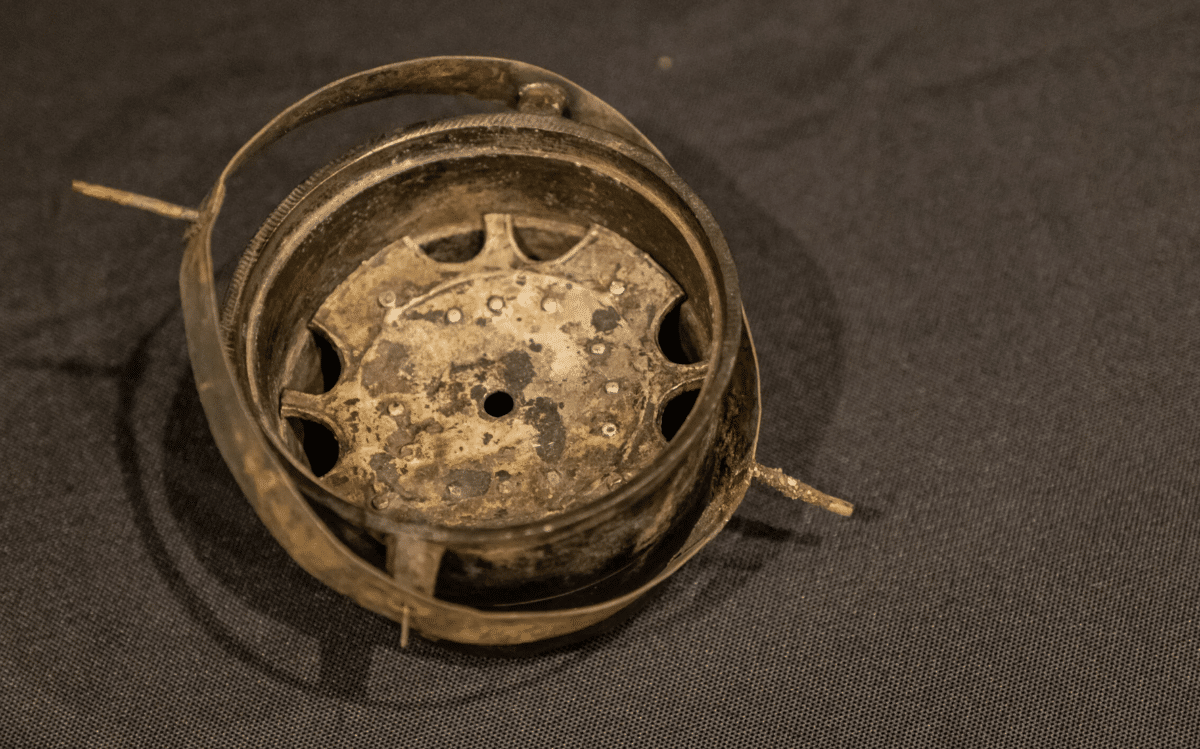
The most striking artifact recovered is a dry compass. According to ERR, Estonia’s public broadcaster, this compass is the oldest surviving example found in Europe. Unlike modern liquid-filled compasses, dry compasses feature a magnetized needle balancing freely above a compass rose and this particular one still operates after over 600 years submerged.
Priit Lätti, a researcher at the Estonian Maritime Museum, emphasized that the ship’s interior suggested it sank suddenly rather than being abandoned. Tools, weapons, and worn leather footwear were scattered as if left in haste. “It’s unlikely the belongings were intentionally left behind. This looks like a shipwreck scenario,” Lätti explained. “Those aboard must have evacuated quickly, leaving everything in disarray.”
Excavators also discovered two exceptionally preserved ship rats, offering tangible clues into the daily life on medieval Baltic trading ships, which rarely survive archaeologically.
Wood Origins Challenge Prior Assumptions
The 2026 research, shared in the Journal of Cultural Heritage, used dendrochronology on several hull planks. Most oak samples matched timber from northern Poland, consistent with shipbuilding traditions of the Hanseatic League era.
However, one group of planks contrasted this pattern. Their tree-ring signatures aligned with wood from a door still in Tallinn’s Bremen Tower, associated with the western Lithuanian or local Tallinn hinterland. This raised the possibility that part of the ship was constructed in western Lithuania, then finalized and launched in Tallinn before it sank near the port.
The study refrains from definitive conclusions but confirms that the hull incorporated wood from multiple sources, a common practice in large ship construction throughout the Baltic region during this period.
Ship Confounds Experts After Three Years
Though officially named the Lootsi cog, the vessel defies straightforward classification. In 2023, Lätti told Estonian national television that some structural elements diverge from the classic cog design.
Unlike typical cogs sealed using moss, this ship employed animal fur coated in pitch. Certain plank arrangements, previously thought to belong to shipbuilding techniques emerging a century later, were also present.
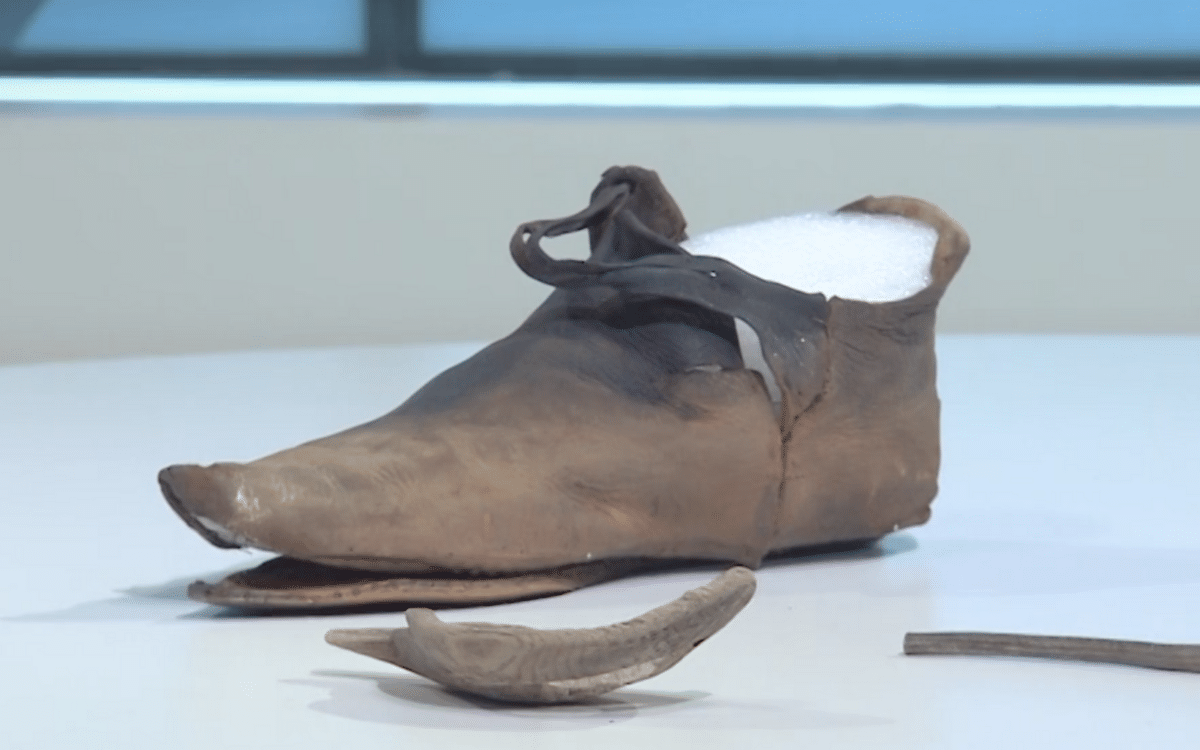
“International colleagues familiar with similar wrecks have admitted they’ve never encountered anything quite like this,” Lätti noted. The Estonian Maritime Museum retains the cog label officially while ongoing research attempts to fully understand the vessel’s classification.
Another Ancient Ship Lies Untouched Nearby
The Estonian Maritime Museum is currently preserving the hull by controlling humidity to prevent drying or mold, and gathering samples for laboratory study both locally and internationally. Finnish conservation experts collaborate with museum archaeologists on this effort.
Lätti confirmed a second even older shipwreck remains buried close by, still undisturbed. He explained that preserving it in situ allows future excavations with improved techniques for a more comprehensive recovery. Any new timbers discovered during upcoming construction will be managed under strict archaeological supervision, the same protocol that led to the Lootsi cog’s discovery in 2022.
Once restoration concludes, the Lootsi cog will be exhibited permanently at the Estonian Maritime Museum.
- Categories:
- News











0 comments
Sign in to Comment