
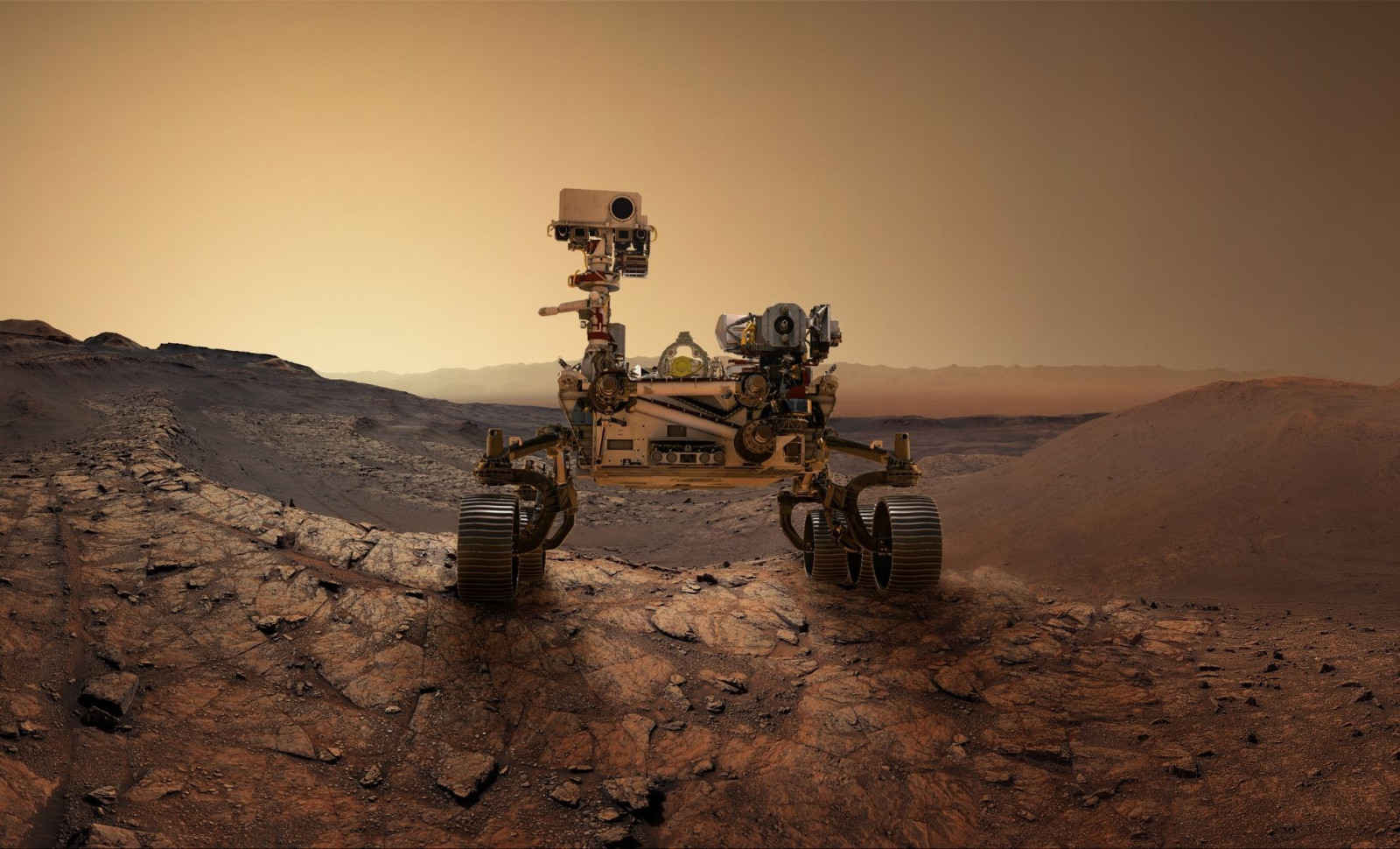
In an unexpected blow to space exploration, NASA’s ambitious plan to retrieve rock samples from Mars and bring them back to Earth has been scrapped due to a significant budget reduction imposed by the U.S. Congress. This marks the end of more than ten years of careful preparation for a groundbreaking planetary science mission.
Initially envisioned as a collaborative venture between NASA and the European Space Agency, the Mars Sample Return (MSR) effort aimed to revolutionize our understanding by transporting Martian geological specimens, gathered by the Perseverance rover, back to advanced laboratories on Earth. However, these valuable samples remain stranded on Mars without a current mission to retrieve them.
Abandoned Innovative Mission Design
ScienceAlert reports that the strategy depended on multiple spacecraft operating in close coordination, involving a lander, aerial drones, and an orbital fetch vehicle. The plan was for Perseverance to hand off its rock and soil containers to a lander equipped with a small rocket. Should Perseverance be unable to complete this transfer, two specialized helicopters would pick up the samples and deliver them to the lander. The rocket would then launch the cargo into Martian orbit, where a returning spacecraft would capture and bring it to Earth.

Many parts of the mission were already under development, with progress on prototypes and designs. Nonetheless, NASA warned the project faced “challenging circumstances,” citing major uncertainties surrounding costs and technical obstacles. These risks, coupled with tight budgetary constraints, rendered the Mars Sample Return (MSR) vulnerable to cancellations amid funding cuts.
Perseverance's Collected Samples Now Stranded
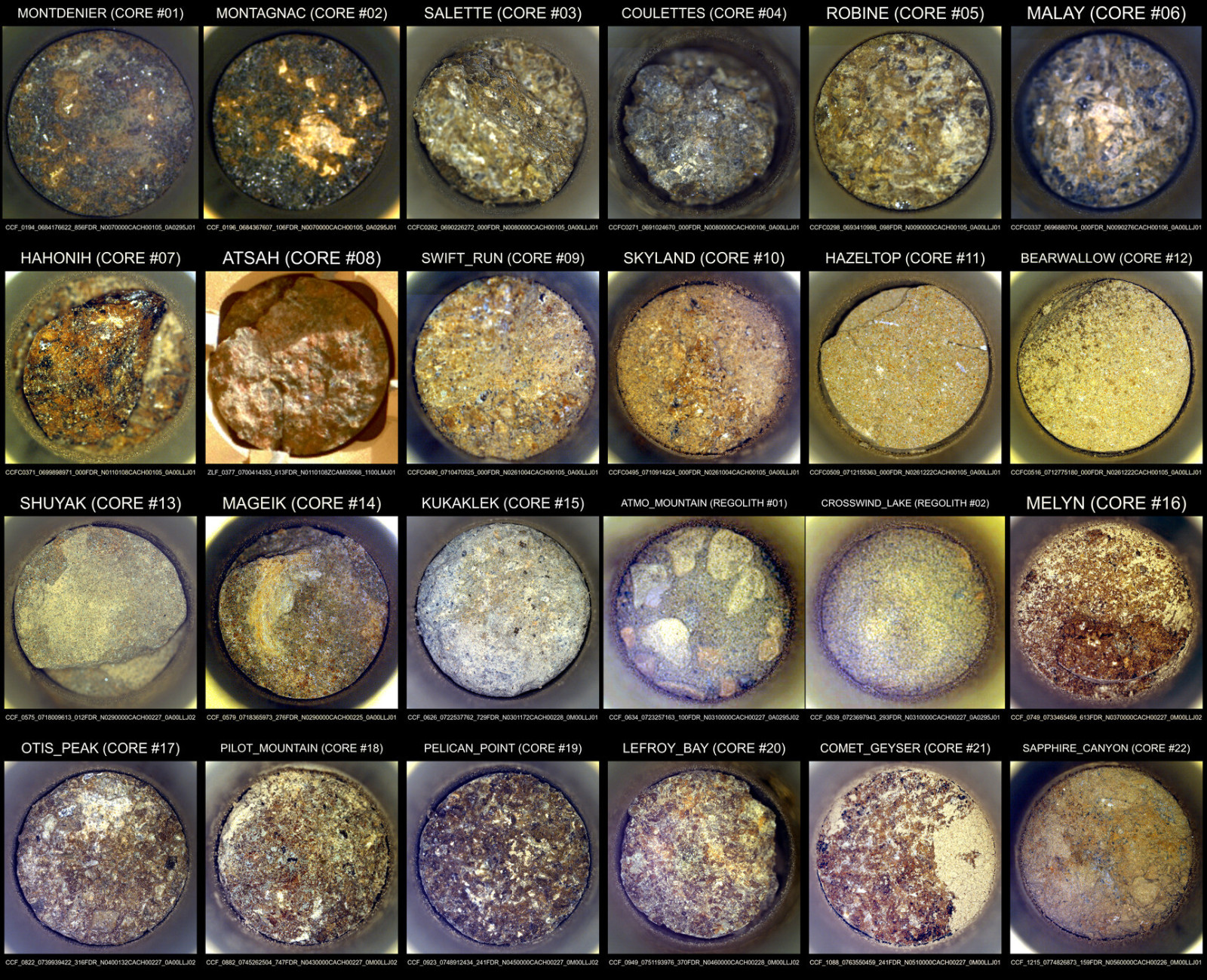
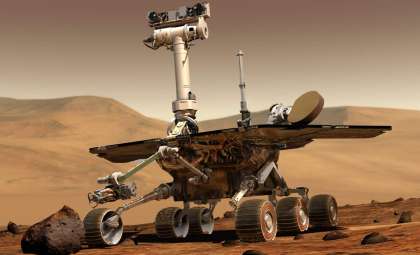
The Perseverance rover, which touched down on Mars in 2021, has successfully collected 33 sealed sample tubes, each containing carefully selected Martian material for scientific study.
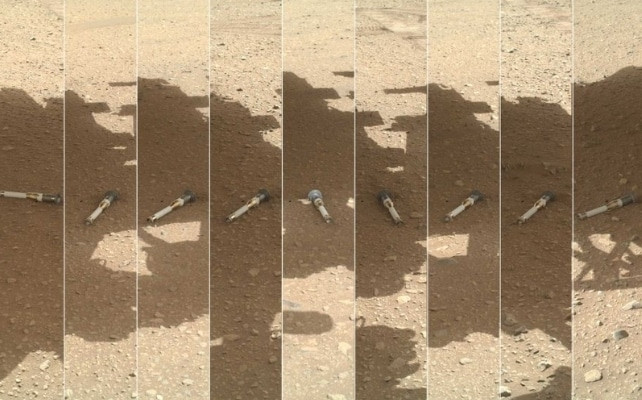
“Ten of the samples depicted here – including one atmospheric sample and one witness tube – were deposited in January 2023 at the rover’s sample depot at a location dubbed “Three Forks” within Jezero Crater. The other 23 samples collected thus far remain aboard the rover,” as explained by NASA’s statement.
Currently, these sample tubes rest on the Martian surface without a planned method for retrieval. Fortunately, the harsh, cold, and dry Martian climate helps preserve them over long periods. NASA officials have not entirely ruled out the possibility of future missions aiming to recover these important samples.
Global Space Race Shifts as Other Nations Prepare
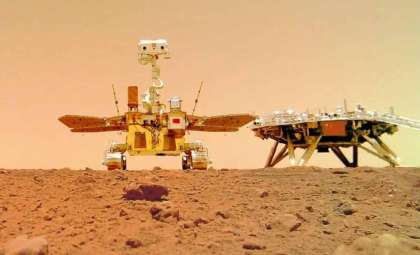
NASA’s sudden withdrawal from the Mars Sample Return mission may reshape international space competition. As noted by the same source, China is advancing its own Mars sample return project. While less complex than NASA’s comprehensive plan, China’s mission could lead the way in returning Martian material to Earth for the first time.
Unlike the meticulous and targeted sample collection performed by the Perseverance rover, the Chinese effort is described as a more straightforward “grab-and-go” operation. Nevertheless, its success would mark a major milestone for China’s space program and potentially alter the dynamics of global leadership in planetary science.
The cancellation has been a tough blow for scientists who dedicated years to bringing the project to fruition.
- Categories:
- News










0 comments
Sign in to Comment