
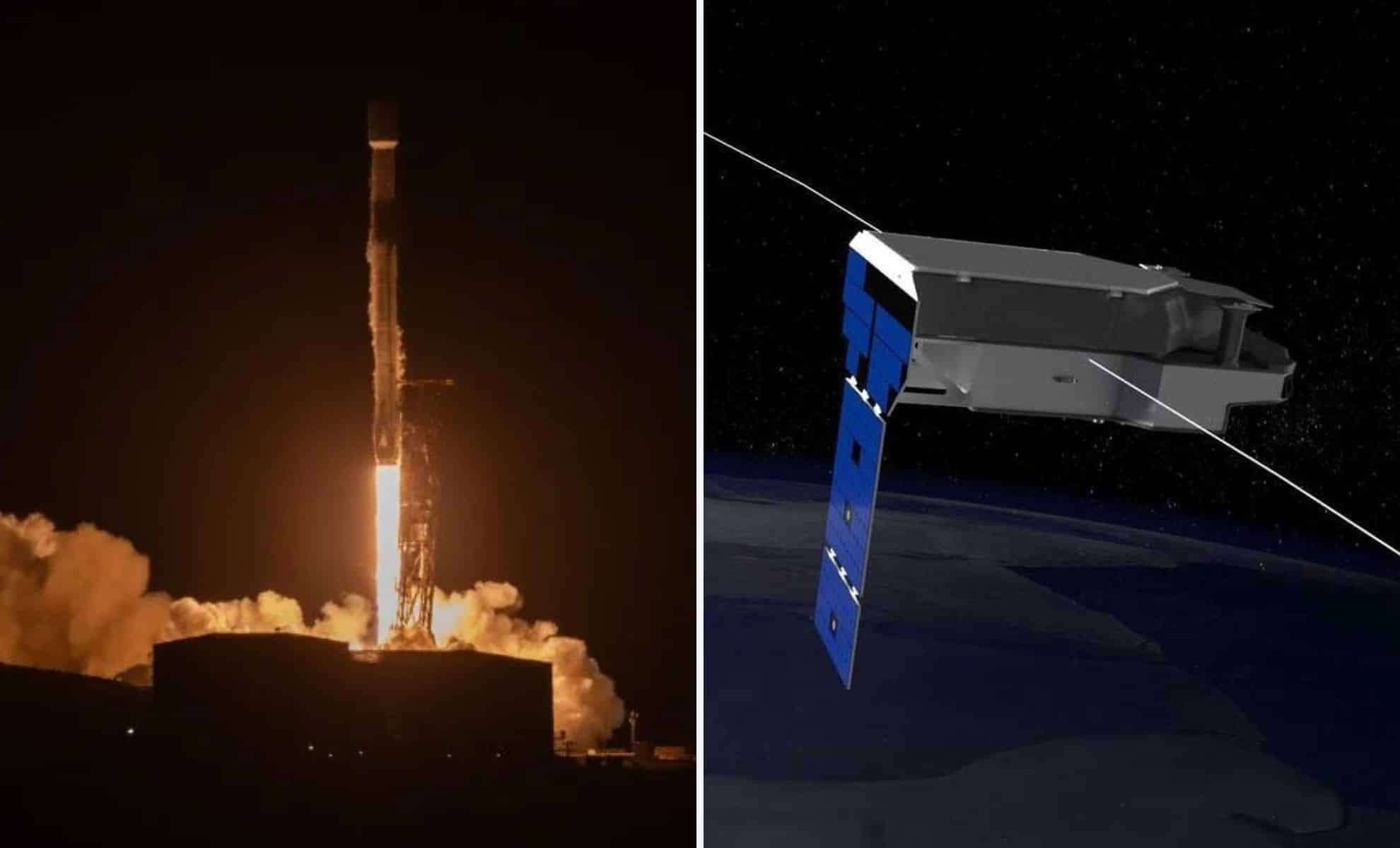
NASA has activated its newest space weather initiative, PUNCH (Polarimeter to Unify the Corona and Heliosphere), heralding a significant advancement in solar observation and forecasting technologies. Utilizing a fleet of four coordinated small satellites, PUNCH offers innovative three-dimensional imaging of the Sun’s corona and tracks the solar wind—the continuous flow of charged particles emitted by the Sun—as it journeys across space.
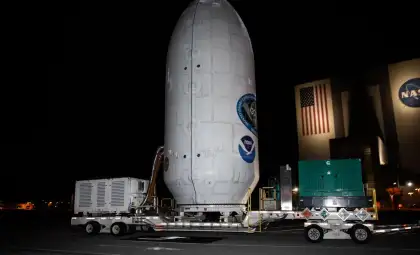
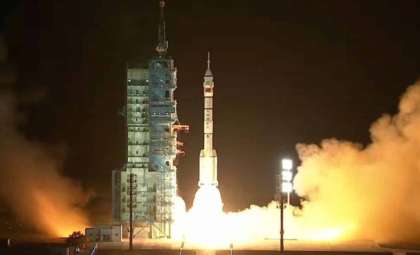
Deployed on March 11, 2025, aboard a SpaceX Falcon 9 rocket alongside NASA’s SPHEREx mission, PUNCH has reached full operational status. Throughout the upcoming two years, this satellite constellation will gather live data to deepen scientific understanding and improve prediction accuracy of space weather phenomena, such as solar storms that pose risks to satellites, power infrastructures, and astronaut health.
This pioneering project, led by Southwest Research Institute (SwRI), is a component of NASA’s Explorers Program and is coordinated by the Goddard Space Flight Center.

The Growing Importance of Monitoring Space Weather
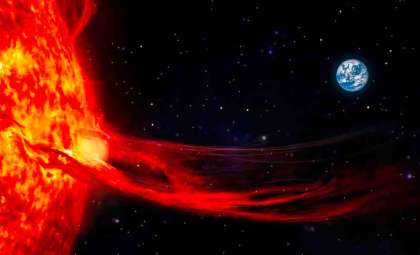
Space weather is not just a theoretical study—it has practical implications that affect everyday life on Earth. Alongside solar flares and coronal mass ejections (CMEs), the solar wind can spark geomagnetic storms capable of disrupting modern technology and infrastructure.
- GPS and Communication Systems – Severe solar events can distort satellite signals, leading to interruptions in GPS navigation, radio transmissions, and internet connectivity.
- Electrical Power Networks – Energetic solar activity can induce damaging electric currents within power grids, potentially triggering extensive blackouts and equipment failures.
- Safety of Astronauts – Heightened solar radiation threatens astronauts aboard the International Space Station and on future excursions beyond Earth orbit.
By providing more precise monitoring of these solar disturbances, PUNCH aims to refine forecasting models to help prevent or lessen the impact of space weather-driven disruptions.
Advancing Space Weather Forecasting Through PUNCH
Past missions generally gathered solar data from fixed points, but PUNCH’s unique approach utilizes a synchronized satellite network. Together, the four satellites function as a “virtual telescope,” delivering continuous, detailed 3D views of the Sun’s corona and its interaction with the solar wind.
This allows researchers to follow solar wind streams in real-time, producing a clearer and richer understanding of solar activity propagation through the solar system.
The mission also monitors coronal mass ejections—massive bursts of solar plasma—which can send shockwaves throughout space. Accurate predictions of these events’ strength and path are critical to safeguarding satellites, terrestrial power systems, and space exploration endeavors.
An Integrated Space Telescope—The Mechanics of PUNCH
The quartet of PUNCH spacecraft operates in tandem, capturing multiple daily images. Data transmissions utilize the Swedish Space Corporation's ground stations and are processed at the Southwest Research Institute (SwRI) facility in Boulder, Colorado.
Unlike traditional missions that restricted data access, PUNCH will release all collected information openly and immediately via NASA’s Solar Data Analysis Center at Goddard Space Flight Center, making up-to-date solar observations available to scientists, space agencies, and even amateur astronomers worldwide.
- Categories:
- News






0 comments
Sign in to Comment