
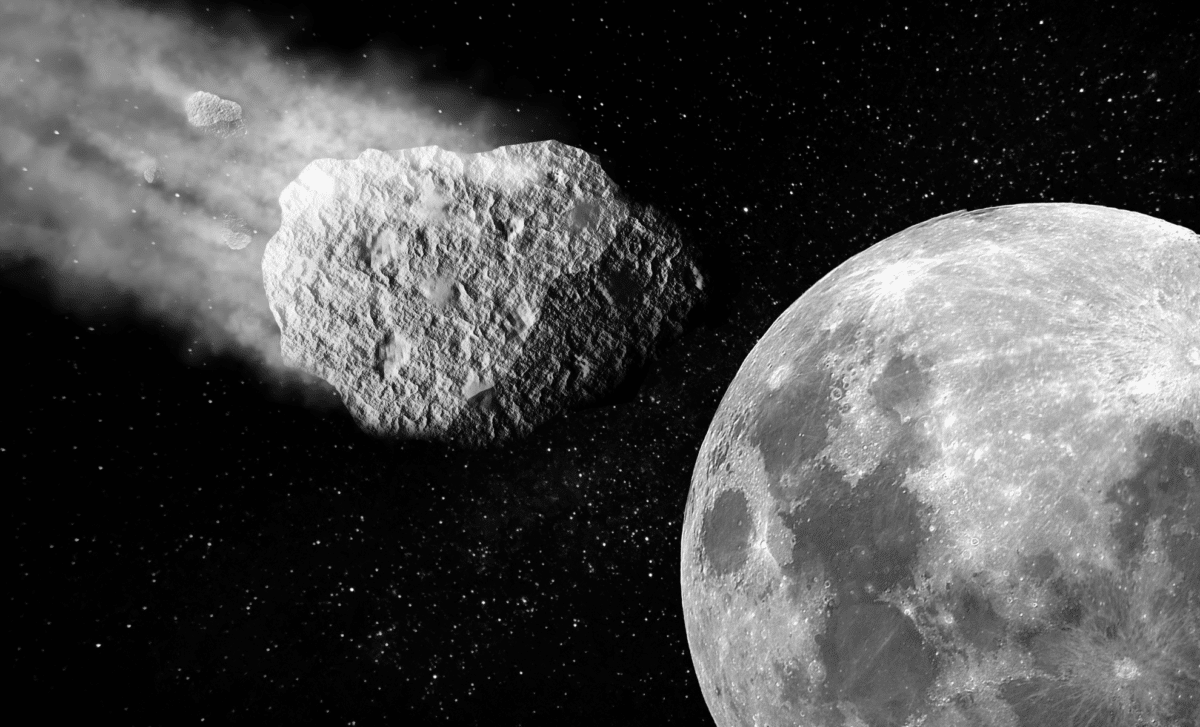
On March 5, NASA announced that asteroid 2024 YR4, initially labeled a “city-level threat,” is confirmed not to pose any collision risk to Earth or the Moon. Using cutting-edge observations from the James Webb Space Telescope (JWST), scientists have fine-tuned the asteroid’s orbital predictions, dispelling earlier worries about a potential lunar strike in 2032. This development represents a major advancement in asteroid tracking and planetary protection efforts.
NASA Updates Orbit Data: 2024 YR4 Is No Danger to Earth or Moon
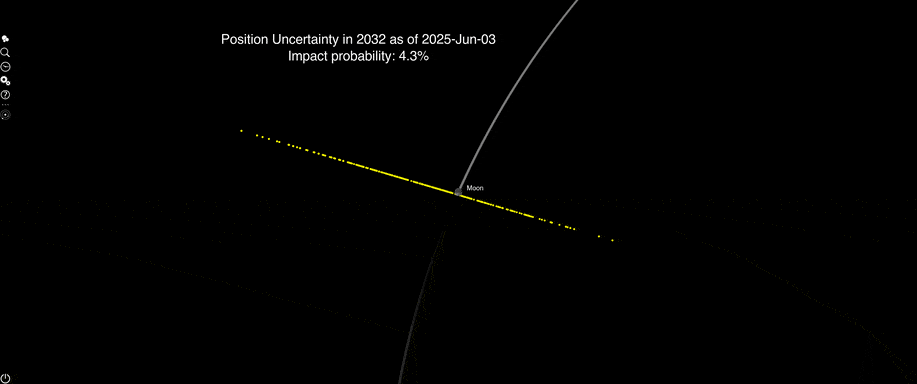
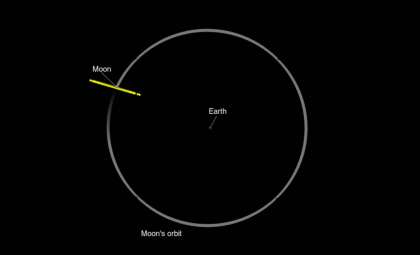
The asteroid known as 2024 YR4 attracted concern due to its considerable size and potential destructive power—spanning roughly 53 to 67 meters (174 to 220 feet). If it had struck a populated region, the energy released could equal hundreds of Hiroshima-sized explosions. Early calculations following its discovery in late 2024 suggested a non-negligible chance of impact, with about a 3.1% projected risk to Earth and a 4.3% chance of colliding with the Moon. Such estimates stirred caution within the scientific community, especially since its predicted path brought it alarmingly close to both bodies in 2032.
However, new data gathered by the James Webb Space Telescope (JWST) have significantly adjusted these figures. According to NASA's statement on March 5, the possibility of a lunar impact has been eliminated entirely. Since spring 2025, 2024 YR4 had been unobservable with conventional ground and space-based telescopes, making the recent JWST measurements critical. NASA characterized these observations among “the faintest ever achieved” for asteroid monitoring, enabling precise trajectory corrections. This breakthrough reassures both researchers and the public by ruling out an imminent lunar collision and improving forecasts of the asteroid’s future course.

James Webb Space Telescope’s Crucial Role in Asteroid Surveillance
The JWST, one of the most sophisticated observatories ever launched, has demonstrated exceptional capability in detecting and studying challenging space objects like asteroid 2024 YR4. NASA’s official release highlights that these recent images represent “some of the faintest asteroid observations ever” recorded, showcasing JWST’s advanced infrared sensors. Though 2024 YR4 became untraceable by other instruments, JWST’s precision allowed astronomers to gain crucial insights.
This ability to detect extremely faint signals underlines JWST’s unmatched sensitivity, enabling it to track near-Earth objects previously difficult or impossible to follow. This advancement is vital not only for understanding this particular asteroid but also for improving planetary defense technologies. Accurately monitoring potentially hazardous asteroids allows scientists to better predict their trajectories and plan responses to mitigate possible impacts in the future. This new data is a cornerstone for enhancing global space hazard detection systems.
Insight into the Asteroid’s Pathway and Its Significance for Future Space Missions
Although 2024 YR4 no longer constitutes a direct danger, its close approach in 2032 offers valuable research prospects. NASA intends to further examine the asteroid’s composition and orbit using JWST’s detailed observations. The asteroid’s next notable pass near Earth will occur in 2028, presenting another important opportunity to refine models of its movement. These studies are crucial for developing reliable predictions of near-Earth object behavior, supporting future exploration and defense preparedness.
Ongoing surveillance of 2024 YR4 forms part of broader planetary defense testing strategies. Gaining comprehensive knowledge about how such objects behave facilitates the design of effective intervention methods. The findings from this asteroid emphasize the critical role of continuous observation and demonstrate how instruments like the JWST are shaping the future of planetary safety. This asteroid could also serve as a test case for emerging technologies aimed at averting impact threats.
NASA’s Ongoing Efforts in Tracking and Protecting Against Asteroid Threats
NASA’s vigilant asteroid monitoring and planetary defense initiatives reflect the agency’s steadfast commitment to Earth’s safety. The refined trajectory data on 2024 YR4 underscores NASA’s readiness and swift response capability when confronting potential hazards. JWST’s unprecedented observational strength has granted unparalleled clarity on the asteroid’s path, ensuring secure passage near Earth and the Moon in upcoming years.
This update also highlights NASA’s strategy to bolster asteroid detection, including future collaborations with global observatories and partners. As new near-Earth objects are discovered frequently, maintaining a robust network of observation is vital for minimizing possible risks posed by space debris or unidentified asteroids. Continuous monitoring of 2024 YR4 benefits both immediate planetary defense and advances the scientific understanding necessary to develop asteroid deflection technologies.
Potential Impact Consequences if 2024 YR4 Had Struck the Moon
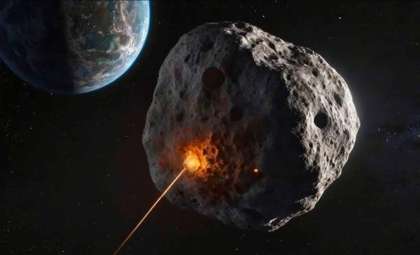
An impact by asteroid 2024 YR4 on the Moon would have created significant effects. Despite the Moon’s history of enduring impacts, a body of this size would generate a major explosion visible from Earth’s surface with the naked eye. Astronomers predicted such an event could result in a spectacular debris cloud and might trigger a meteor shower reaching Earth.
Though a visually impressive phenomenon for observers, the collision would have also offered scientific insights. It would provide a rare chance to observe how a sizeable asteroid interacts with lunar terrain, contributing valuable data about the Moon’s composition and structural properties. While relief prevails knowing the Moon is safe, these hypothetical scenarios emphasize the importance of vigilant space monitoring and preparedness.
- Categories:
- News










0 comments
Sign in to Comment