
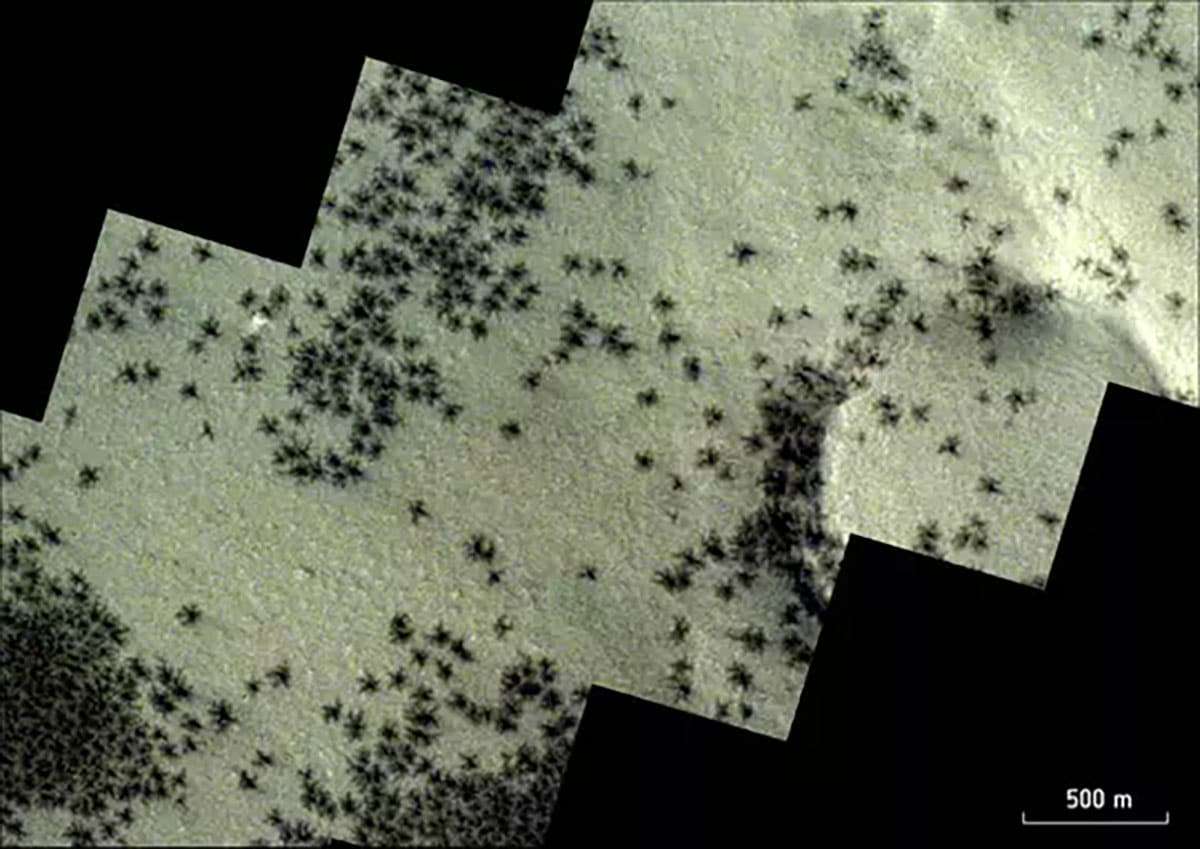
Mars remains an object of fascination for researchers and space fans, especially due to its unusual surface features. Among these are the distinctive formations dubbed “Martian spiders,” which have long challenged scientists trying to understand their origin. Recent investigations by NASA have brought new clarity to the processes that create these intriguing patterns in the planet's southern polar region.
Decoding the Mystery of Mars’ “Spider” Features
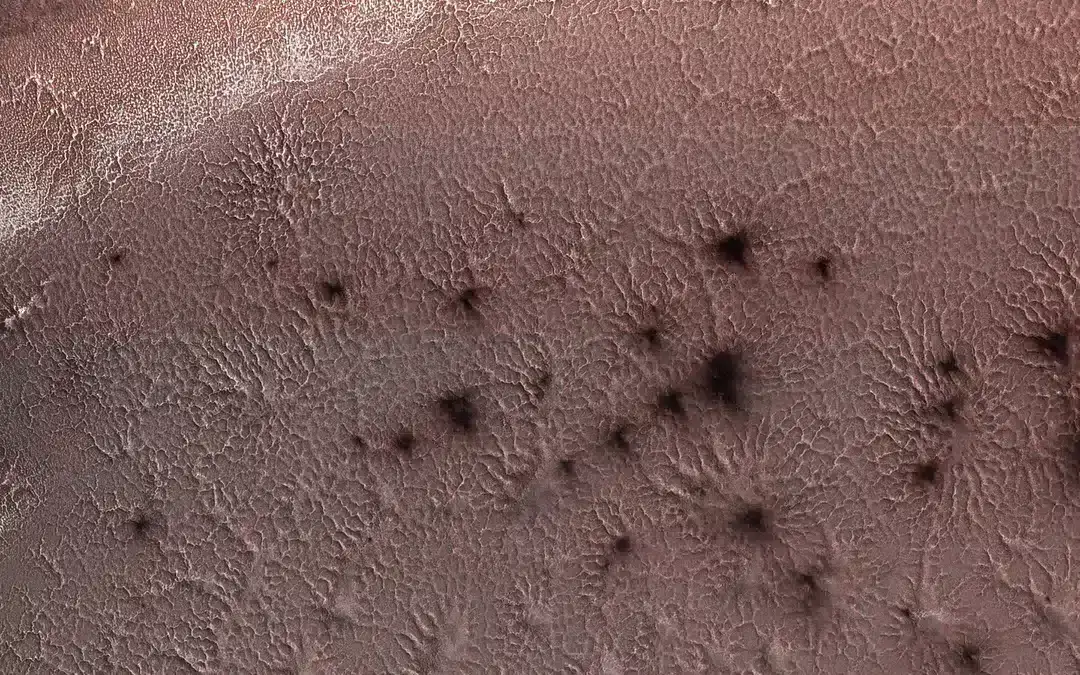
Despite their name, the Martian “spiders” are not living creatures but unusual landforms primarily found in Mars’ southern hemisphere. Known technically as araneiforms, these formations display intricate, radiating channels that, from above, look like giant spider webs. Some can span distances as large as one kilometer.
Scientists have been intrigued by these patterns for decades, speculating about how they might have formed. Recent breakthroughs from controlled lab experiments have successfully simulated Martian environmental conditions to replicate these formations, revealing the underlying causes.

Published in The Planetary Science Journal, the study outlines the elaborate setup needed to mimic the Martian polar environment. Key challenges included:
- Reaching temperatures as cold as -185°C
- Maintaining a thin, Mars-like atmosphere
- Using soil analogs matching Martian regolith
- Emulating the seasonal transition into Martian spring
The Mechanism Behind Mars’ Spider-Like Patterns
Experiments showed that the spider-like channels form through the process of sublimation, where solid carbon dioxide ice changes directly into gas without becoming liquid. On Mars, this happens with dry ice that accumulates over the winter months at the poles.
The sequence of formation is as follows:
- Seasonal CO2 ice forms a transparent crust during the cold months
- Sunlight during spring warms the soil beneath the ice layer
- Gas builds up pressure under the solid ice
- The pressure causes the ice to fracture
- Gas and dust burst out through the cracks, etching out the spider-like channels
These interactions carve into the Martian surface, producing expansive branching networks that resemble spider legs, inspiring the popular nickname. Lauren McKeown, who led the research, calls them “strange and beautiful geological phenomena in their own right.”
What Spider Formations Reveal About Mars’ Past
Although much has been discovered about how these formations develop, mysteries remain. Scientists want to understand why this phenomenon is mostly seen in particular areas of Mars and why these structures no longer appear to actively evolve.
One compelling idea is that the spiders might be vestiges of a previous Martian climate. This would mean they can serve as important geological records, providing clues about environmental changes on Mars over time.
This finding fits into NASA’s broader effort to decode Mars’ history and its potential habitability. Discoveries like these deepen our grasp of how Martian geology and climate interact. The NASA NEO Surveyor mission, though primarily focused on asteroid detection, exemplifies NASA’s dedication to expanding planetary science knowledge.
Next Steps for Research and Exploration
Reproducing the Martian spider patterns in the lab marks a major advance but also sets the stage for further study. Scientists aim to explore areas such as:
Research FocusExpected DiscoveriesGeographic clusteringUnderstanding environmental factors behind spider concentrationFormation evolutionTracking changes in spider size and density over timeHistorical climate linksCorrelating spider activity with Mars’ climatic history
Upcoming Mars missions, including rovers like Curiosity and Perseverance, may plan specialized investigations targeting these formations directly. Instruments designed for in-depth analysis could yield unprecedented details about their nature and formation dynamics.
The breakthrough in decoding Mars’ enigmatic spiders highlights the strength of integrating laboratory research with planetary exploration. By recreating alien conditions on Earth, scientists unlock secrets of distant worlds. As space science progresses, discoveries like this illuminate the remarkable terrains awaiting study across our solar system.
- Categories:
- Nasa








0 comments
Sign in to Comment