
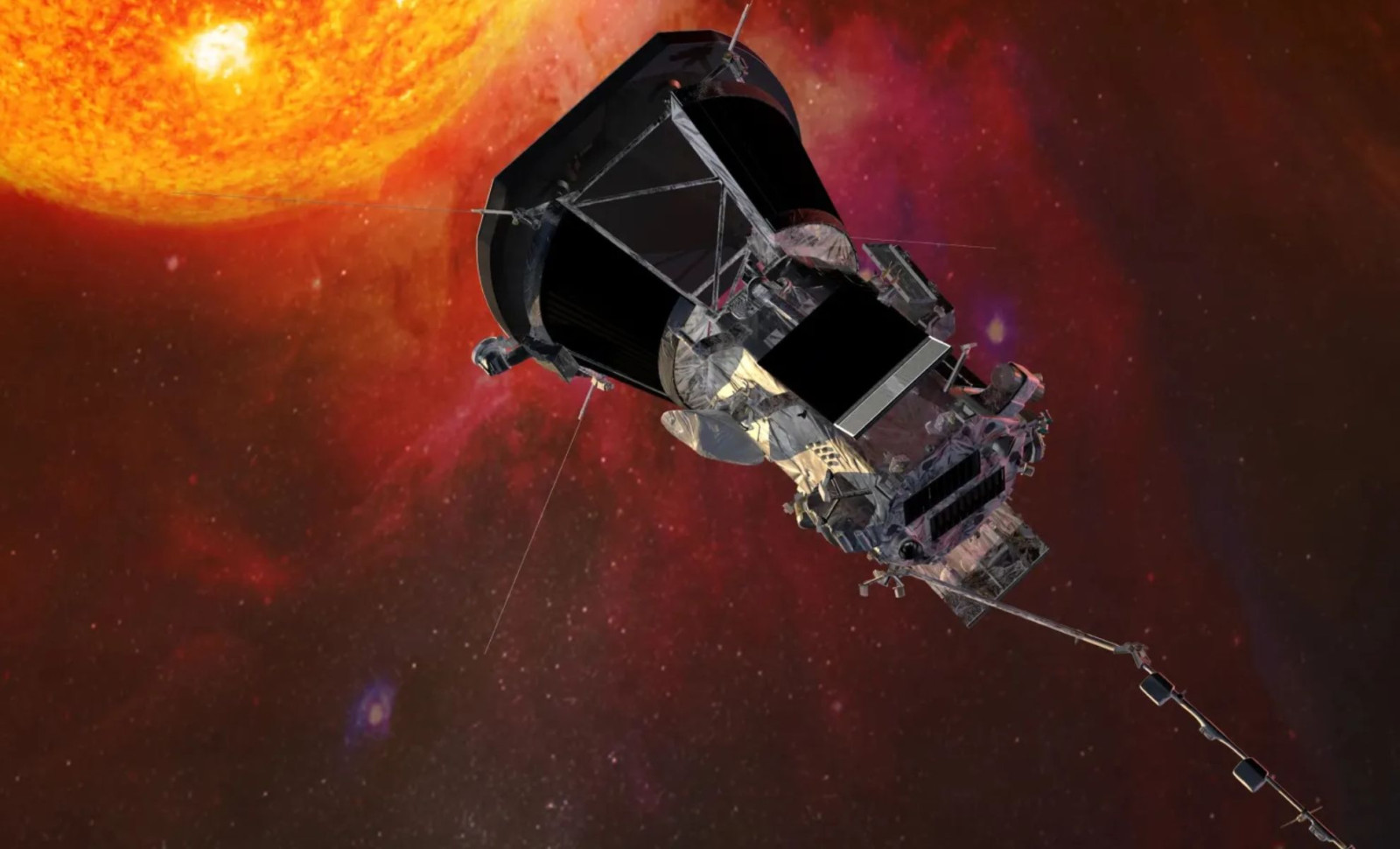
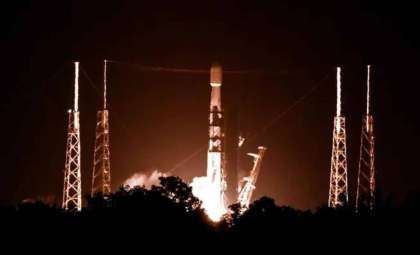
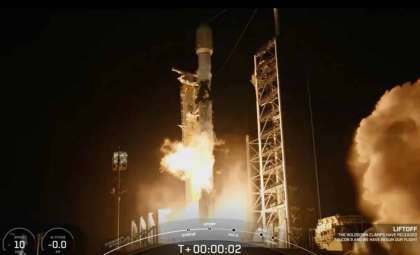
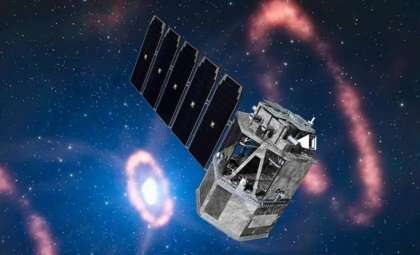
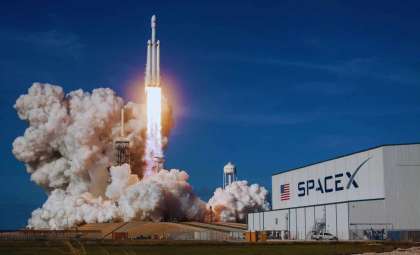
NASA has opted to deploy its Sun Radio Interferometer Space Experiment (SunRISE) via the powerful SpaceX Falcon Heavy rocket, replacing the previous launch plan. This choice marks a crucial advancement for the mission, which aims to investigate the origins of intense solar radio bursts linked to solar storms. NASA states that this adjustment will better align with the mission’s scientific goals and prepare the constellation of six satellites for a transformative exploration of solar phenomena affecting the entire Solar System.
The Rationale Behind NASA’s Launch Vehicle Change
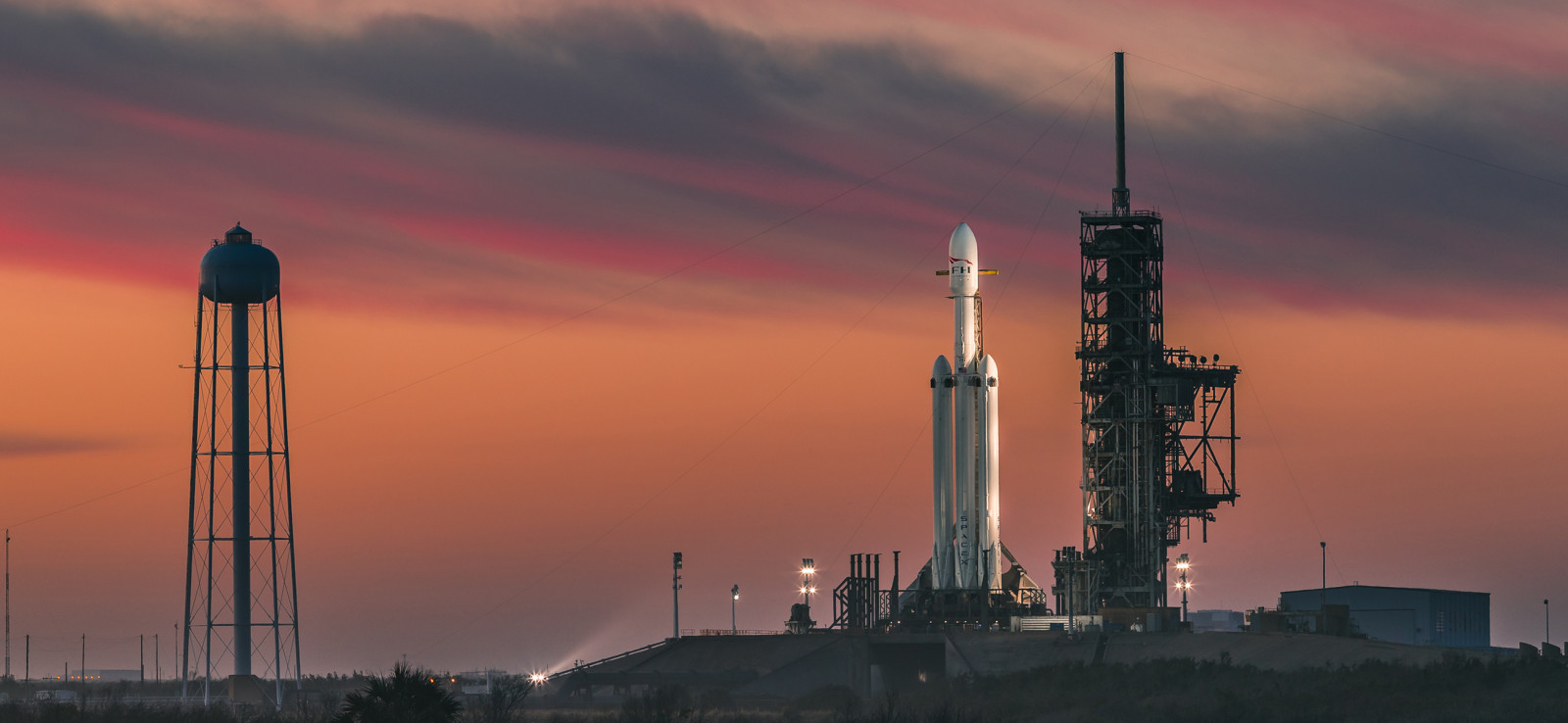
Switching to the Falcon Heavy is not merely a logistical update but a strategic decision based on mission-specific requirements like payload capacity, timing, and orbital precision. By selecting Falcon Heavy, NASA gains access to one of the most capable rockets currently in service, known for its consistent success in delivering complex payloads beyond Earth orbit. The mission’s fleet of six identical small satellites requires highly accurate deployment to operate effectively as a combined observatory.
The Falcon Heavy’s enhanced payload capacity and adaptability provide NASA confidence in achieving the precise orbital placement essential to the mission’s scientific objectives. This transition also reflects NASA’s growing reliance on commercial launch services to support critical science projects, underscoring the increasing importance of public-private partnerships in space exploration. Such modifications in launch plans are common for sophisticated missions that demand exacting orbital conditions and long-term success.

SunRISE’s Unique Approach to Solar Observation
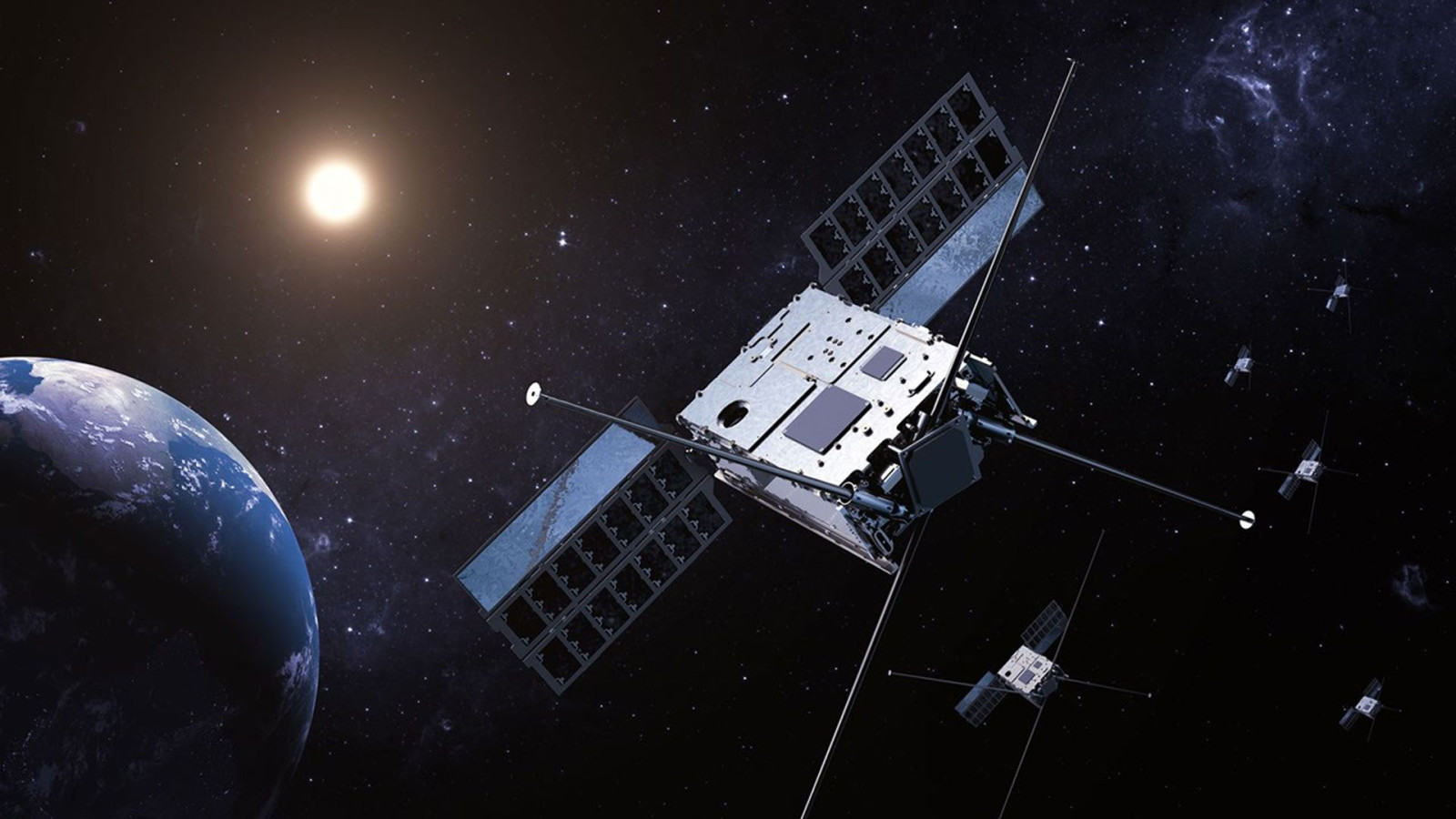
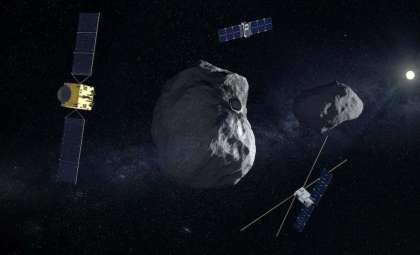
Rather than using traditional optical or ultraviolet telescopes, SunRISE will detect low-frequency radio waves emitted during solar eruptions. The mission employs six spacecraft acting as a distributed radio telescope, leveraging interferometry to capture data that no single satellite could acquire alone. This method enables scientists to precisely locate the origin of powerful radio bursts stemming from events like coronal mass ejections and solar flares.
These radio bursts are closely linked to energetic charged particles traveling through the Solar System and interacting with Earth’s magnetosphere. Mapping these sources with unprecedented detail will provide insights into the processes accelerating these particles away from the Sun. Improved understanding in this area could enhance space weather forecasting, protecting satellites, astronauts, communication networks, navigation systems, and power grids on Earth.
NASA Highlights SunRISE’s Impact on Space Weather Research
NASA emphasizes that SunRISE is designed to solve critical mysteries surrounding the generation of solar radio bursts and their connection to dynamic solar atmospheric phenomena. Observing these events from a multi-spacecraft constellation rather than a lone satellite opens new avenues for solar physics research. Pinpointing the exact locations and trajectories of radio emissions could clarify why some solar eruptions cause extreme space weather effects while others do not.
Furthermore, SunRISE will complement data from other solar missions across the Solar System, enabling scientists to merge diverse datasets into a more comprehensive understanding of solar activity. With the Sun entering phases of heightened activity in its natural cycle, such coordinated observations are increasingly valuable for refining predictive models that safeguard near-Earth space environments.
Falcon Heavy’s Growing Role in Scientific Exploration
While Falcon Heavy initially gained fame for its unparalleled heavy-lift capacity, it has steadily become a vital platform for launching key government and scientific payloads. This rocket integrates three Falcon 9 cores to deliver substantially greater payload capacity than a single Falcon 9, making it ideal for large spacecraft or missions with demanding orbital profiles. NASA’s confidence in Falcon Heavy’s reliability and performance has been demonstrated by its selection for numerous flagship science ventures.
The inclusion of SunRISE further cements this partnership and highlights the broader shift within the U.S. space sector toward leveraging commercial launchers for ambitious scientific objectives. As space missions grow more complex—featuring constellations, distant destinations, and precise orbits—the availability of advanced commercial launch vehicles becomes crucial for pushing space science boundaries.
- Categories:
- Nasa






0 comments
Sign in to Comment