
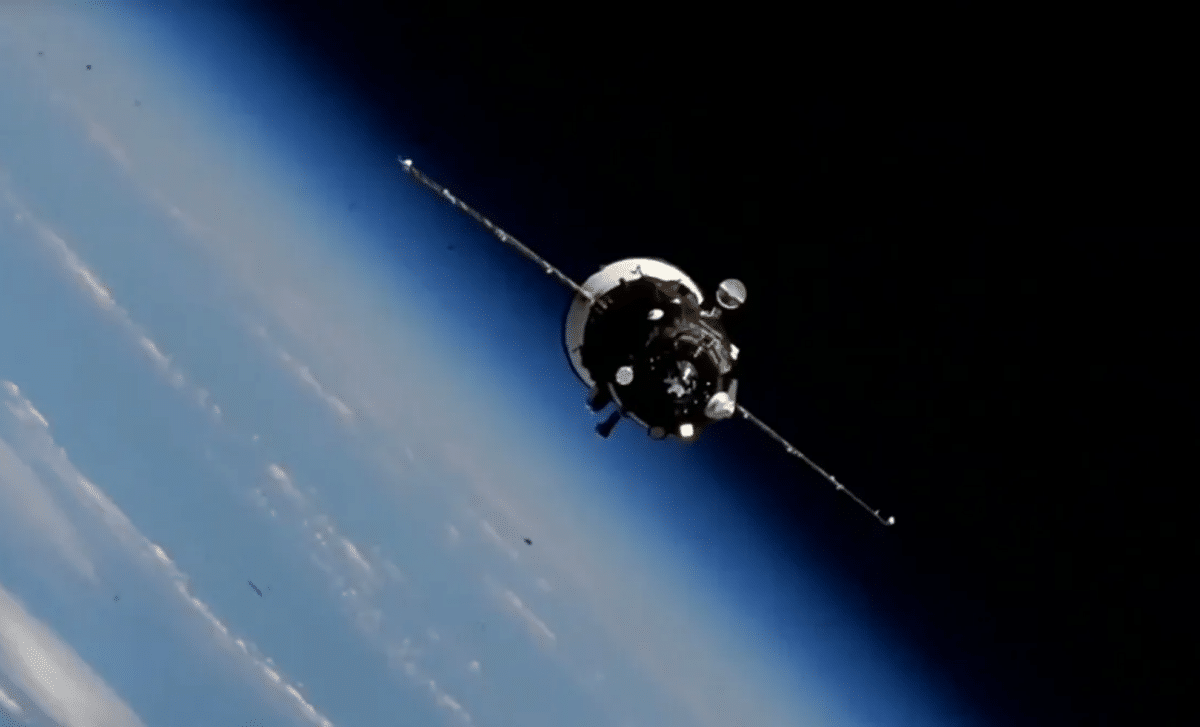
A Russian Progress cargo vehicle has securely docked with the International Space Station (ISS), delivering vital provisions to the crew orbiting Earth in a meticulously coordinated operation overseen by NASA. According to NASA’s report, this mission underscores the complex logistics essential for sustaining human presence in space and the advanced technology behind each resupply journey. This delivery is a crucial link in the ongoing sequence of missions that keep the ISS functioning and its astronauts well-equipped.
Exacting Docking Procedures in Low Earth Orbit
The spacecraft conducted an automated approach before latching onto the station’s Poisk module, showcasing the precision of modern space navigation technology. Moving at thousands of miles per hour, the vehicle adjusted its speed and path to perfectly align with the ISS’s orbit, a process demanding impeccable timing and precise calculations.
Once in close proximity, the docking relied on an integration of onboard instruments, ground-based control, and preplanned maneuvers. Any slight error could endanger the entire operation, making such missions impressive achievements despite their routine nature.

The station’s crew monitored the spacecraft's arrival, prepared to take over controls if needed, but the system operated flawlessly. This achievement highlights years of international teamwork and continuous improvements in spacecraft autonomy.
Supplies Transported by Progress
The Progress ship carried multiple tons of cargo, including nourishment, propellant, and scientific instruments. These shipments allow astronauts to perform daily activities, execute research, and prepare for upcoming missions.
Fuel transfers are especially crucial as they help maintain the station’s orbit by compensating for atmospheric drag. Without these adjustments, the ISS would steadily lose altitude. Additionally, the cargo consisted of replacement parts and life-support essentials, bolstering the station’s preparedness against unexpected malfunctions.
Every item on board is carefully planned months ahead, based on crew requirements, scientific goals, and maintenance timetables. This meticulous coordination transforms each cargo flight into a vital link in the supply chain extending from Earth to orbit.
The Role of Ongoing Resupply Missions
As emphasized by NASA, consistent cargo deliveries are essential for sustaining a constant human foothold in space. Each successful docking supports the current crew and advances future exploration goals.
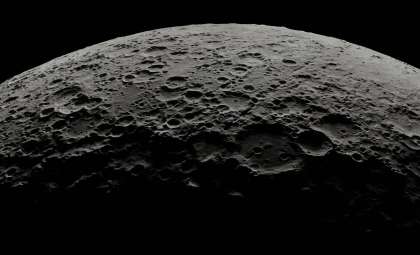
The ISS acts as a platform for testing technology and human capabilities needed for extended missions beyond Earth, including journeys to the Moon and Mars. Regular resupply also enables complex experiments that cannot be run on Earth, covering fields from biology to materials science.
NASA further highlighted that global collaboration remains fundamental to the ISS's operation. Partnerships among space agencies illustrate how shared resources and expertise sustain one of humanity’s most intricate engineering feats.
Behind-the-Scenes Challenges of Routine Space Deliveries
What seems to be a routine cargo arrival actually involves a high-risk operation coordinated by specialized teams worldwide. Engineers, scientists, and mission controllers synchronize efforts to guarantee that every phase, from launch through docking, proceeds safely.
Variables like weather, orbital mechanics, and system functionalities constantly influence mission schedules. Any issue can cause delays or require quick problem-solving. This vigilance reveals the ongoing complexity and fragility of space missions even after many decades.
The success of this resupply boost confidence in existing technologies and provides critical insights for next-generation spacecraft. Each docking contributes to safer, more efficient spaceflight operations.
- Categories:
- Nasa







0 comments
Sign in to Comment