
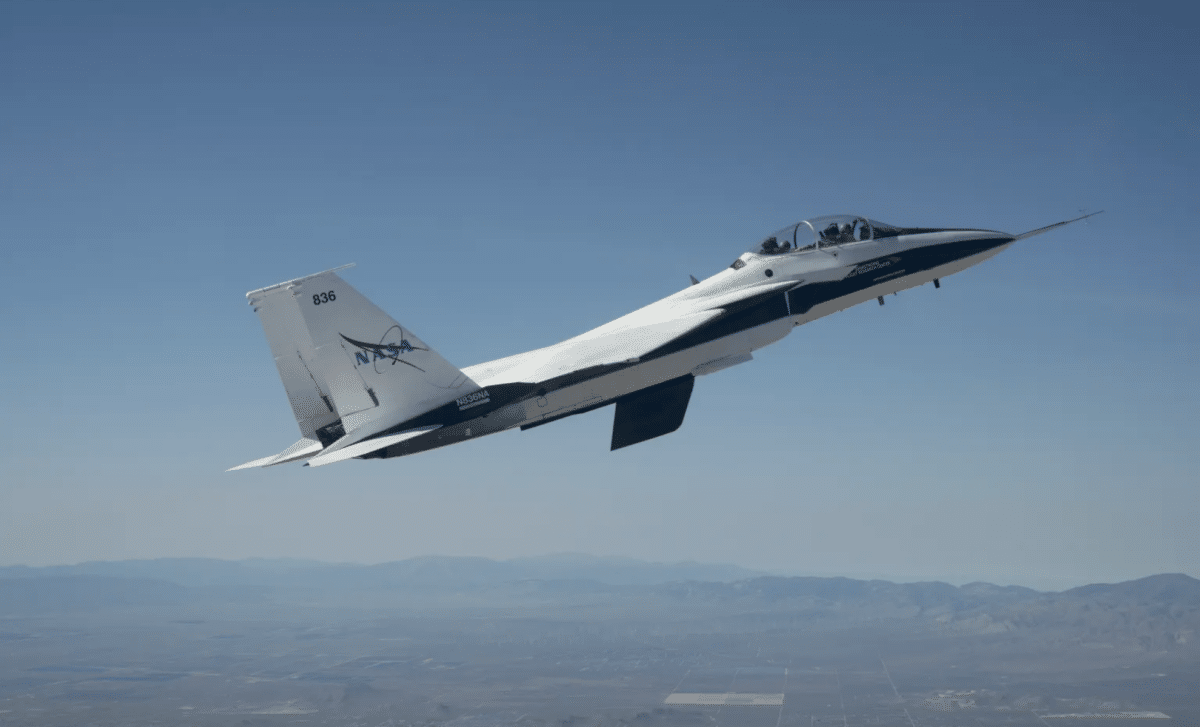
NASA has completed the inaugural flight of a cutting-edge wing design that promises to enhance fuel efficiency in commercial aviation. Featured on NASA’s official site, the piece “NASA Completes First Flight of Laminar Flow Scaled Wing Design” showcases the agency’s advancements in laminar flow technology aimed at cutting drag and boosting fuel savings. This trial marks a vital milestone in the pursuit of greener aviation solutions.
The CATNLF Wing: Pushing Aerodynamic Boundaries
NASA’s novel wing innovation, called the Crossflow Attenuated Natural Laminar Flow (CATNLF), is designed to optimize airflow over airplane wings, significantly minimizing drag. This scaled prototype utilizes enhanced aerodynamic features to maintain laminar flow on large, swept-back surfaces such as wings and tail assemblies. Achieving laminar flow is key to greatly lowering fuel consumption and associated airline expenses. Years of research, wind tunnel experiments, and sophisticated simulations have shaped this promising design.
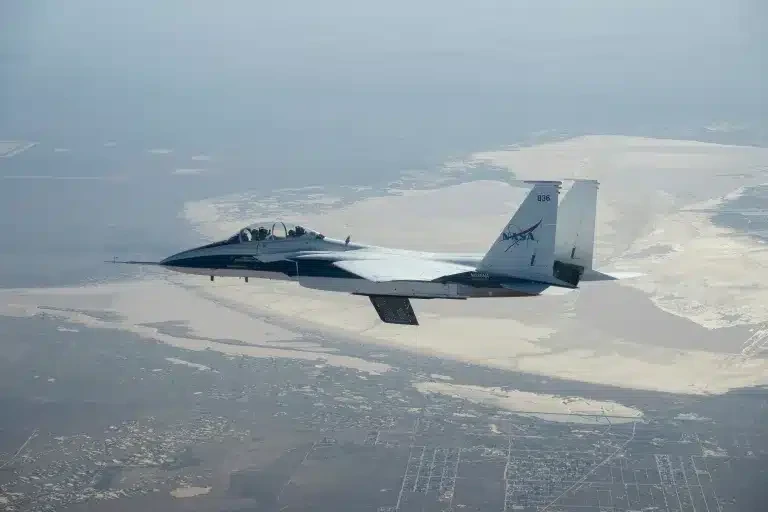
On January 29, at NASA’s Armstrong Flight Research Center in California, the innovative wing was installed beneath an F-15B research jet for the flight test. The aircraft was airborne for roughly 75 minutes, enabling the NASA team to verify stable handling and operation with the attached test wing.

“It was incredible to see CATNLF fly after all of the hard work the team has put into preparing,” said Michelle Banchy, research principal investigator for CATNLF. “Finally seeing that F-15 take off and get CATNLF into the air made all that hard work worth it.”
This successful flight represents a critical achievement in NASA’s aerodynamic research by validating the concept and pointing toward future commercial aircraft applications.
First Flight Test: Goals and Outcomes
The initial flight’s purpose was to observe the wing model’s in-flight performance rather than high-speed evaluation. As Michelle Banchy explained,
“First flight was primarily focused on envelope expansion. We needed to ensure safe dynamic behavior of the wing model during flight before we can proceed to research maneuvers.”
This careful approach confirmed the aircraft’s stability while equipped with the new wing and enabled collection of crucial data for subsequent testing phases.
The flight operated at altitudes between 20,000 and 34,000 feet, performing gentle turns, steady holds, and mild pitch changes. Studies of aerodynamic behavior affirmed that the CATNLF design functions as intended. Data gathered on laminar flow will further refine the wing’s capabilities and support its integration into future aircraft designs.
Implications for Commercial Flight
This technological breakthrough holds significant promise for commercial aviation by improving laminar flow to cut drag and airline fuel expenses.
“CATNLF technology opens the door to a practical approach to getting laminar flow on large, swept components, such as a wing or tail, which offer the greatest fuel burn reduction potential,” Banchy explained.
Reducing fuel usage can translate into lower fares due to savings passed on by airlines, while also helping mitigate environmental impacts by decreasing aviation emissions. Innovations like the CATNLF wing are crucial as the industry seeks to achieve more sustainable air travel and reduce its carbon footprint.
- Categories:
- Nasa










0 comments
Sign in to Comment