
NASA's cutting-edge Artemis program continues to move forward, aiming to establish a lasting human foothold on the Moon. Central to these efforts is Gateway, a pioneering lunar outpost that will enable astronaut support, scientific experiments, and future crewed missions to Mars. This innovative station is set to orbit the Moon, offering a crucial platform for deep space endeavors while enhancing our knowledge of living remotely from Earth.
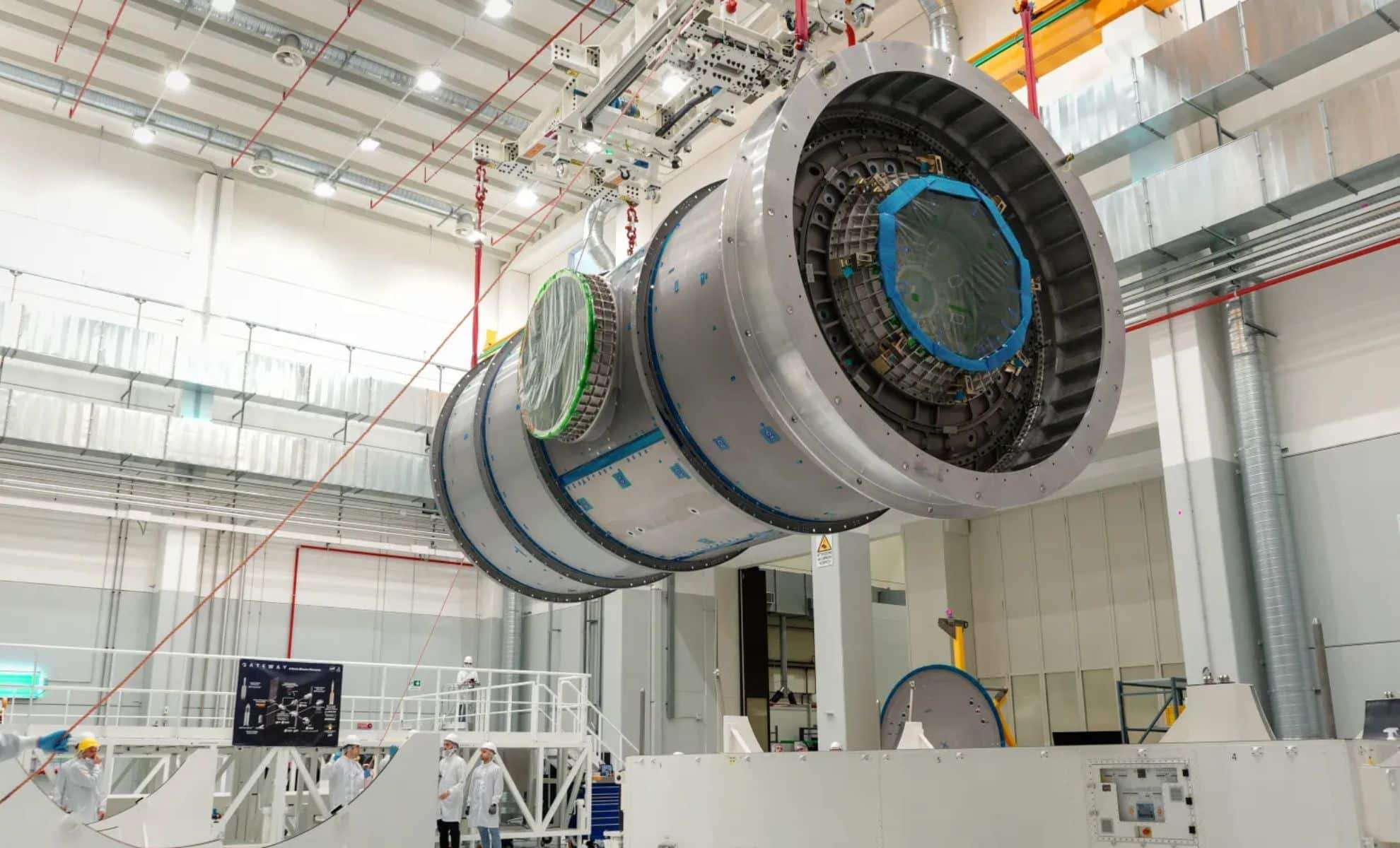
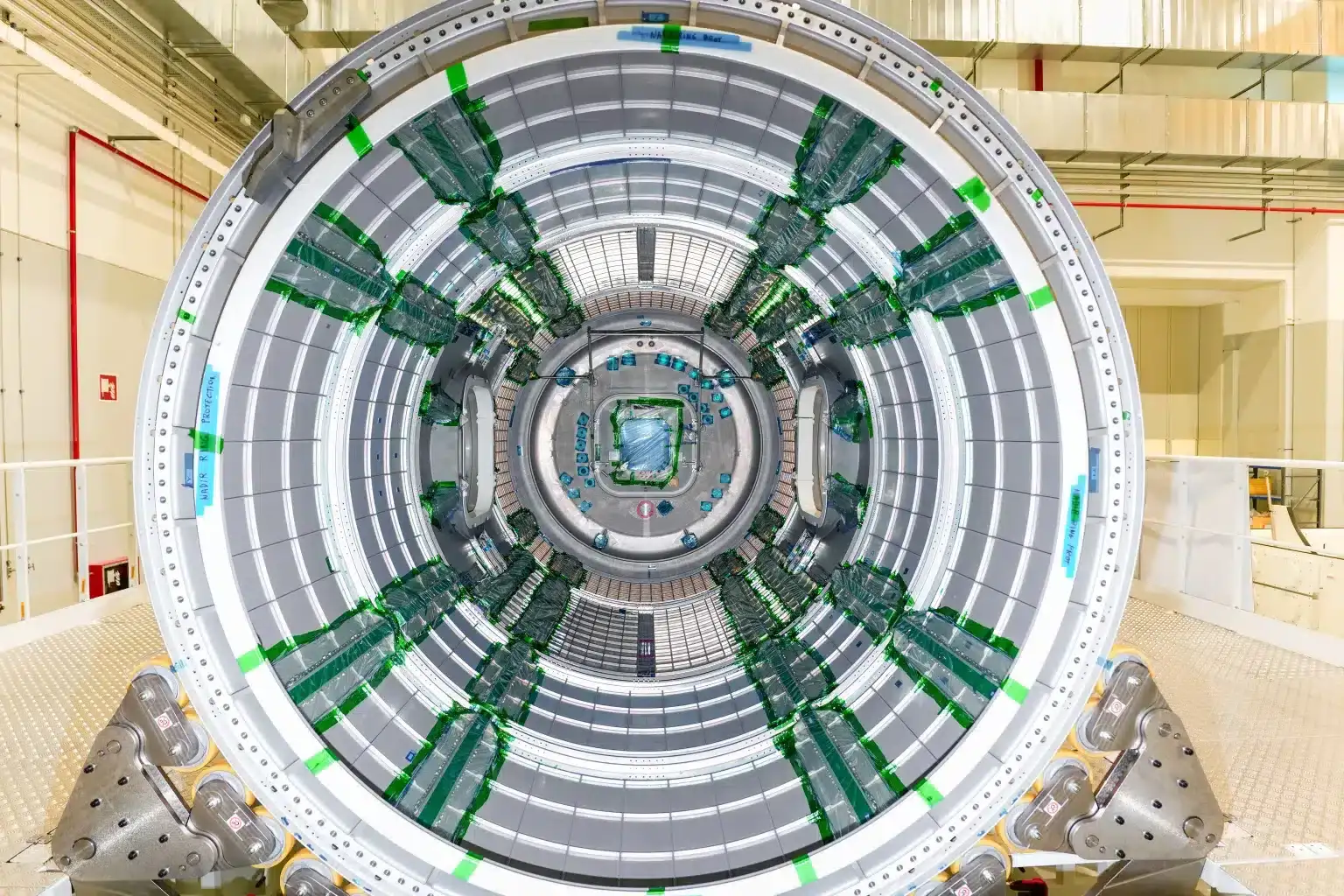
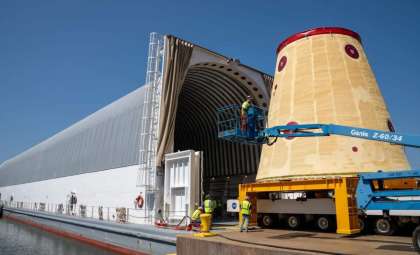
Recent developments highlight steady advancements on Gateway’s Habitation and Logistics Outpost (HALO) module. Crafted to serve as the crew’s living quarters aboard the space station, HALO is nearing completion at Thales Alenia Space in Turin, Italy. Following this, it will be transported to Northrop Grumman's facility in Arizona for further preparations before final integration and testing at NASA's Kennedy Space Center in Florida.
The Gateway project represents a broad international and commercial partnership, with entities like the European Space Agency (ESA), Italy’s space agency, and private companies such as SpaceX, Blue Origin, and Maxar Space Systems all playing vital roles in advancing human spaceflight.

Essential Components Powering Gateway’s Success
NASA targets launching the Habitation and Logistics Outpost (HALO) alongside the Power and Propulsion Element (PPE) by December 2027. These essential modules will form Gateway’s primary structure. The PPE will utilize solar electric propulsion, positioning Gateway as the most powerful spacecraft of its kind when deployed. After launch aboard a SpaceX Falcon Heavy rocket, the modules will uncrewedly transit to lunar orbit over roughly a year, gathering vital data on deep space radiation before becoming operational.
In a recent mission update, NASA highlighted progress across various international manufacturing sites. “Constructing and testing Gateway hardware reflects true global cooperation,” commented Jon Olansen, Gateway Program Manager at NASA’s Johnson Space Center in Houston. “We’re thrilled by this significant flight hardware achievement and look forward to continued collaboration worldwide.”
A key international contribution from the European Space Agency (ESA) involves the Lunar Link communication system undergoing trials in France. This advanced technology will enable fast data exchange between the Moon and Gateway, guaranteeing reliable astronaut and mission control communications. ESA is also producing Lunar I-Hab, a second pressurized living module planned for delivery during Artemis IV, which will increase Gateway’s habitability.
As milestones accumulate, NASA and partners edge closer to launching the world’s first space station in lunar orbit—a critical progression for long-duration Moon missions and stepping stones toward Mars exploration.
Maxar Space Systems has achieved progress on the Power and Propulsion Element by fitting Xenon and chemical fuel tanks and certifying the largest roll-out solar panels crafted to date. The unit will undergo final assembly and testing before docking with HALO.
Gateway’s Role in Future Moon Missions
Once established in lunar orbit, Gateway will function as a research platform, a logistical node, and a transport hub for Artemis missions. The Artemis IV crew will pioneer human presence aboard Gateway, docking the Lunar I-Hab module delivered by the Orion spacecraft to expand available living and working spaces.
Astronauts will then use SpaceX's Starship human lander to travel between Gateway and the Moon’s South Pole, where NASA plans to develop a permanent lunar research base. Additionally, NASA collaborates with Blue Origin on the Blue Moon lander, which will serve Artemis V and subsequent expeditions. These dual landers increase mission flexibility and support a sustainable landing schedule, paving the way for eventual Mars surface missions.
The international community contributes further with Canada’s Canadarm3, a robotic arm for external maintenance and cargo handling. Japan’s JAXA supplies life support equipment, batteries, and resupply vehicles. The Mohammed Bin Rashid Space Centre (MBRSC) in the UAE is also contributing, initiating designs for Gateway’s Crew and Science Airlock, scheduled to launch on Artemis VI.
Preparing for Deep-Space Challenges Toward Mars
Gateway’s mission extends beyond lunar activities, serving as a critical test platform for deep-space endurance. It will collect data on space weather and cosmic radiation essential for preparing crews for the lengthy journey to Mars.
Initial experiments aboard Gateway will investigate radiation effects on both human occupants and spacecraft systems, guiding the development of enhanced protective measures and life support systems for future interplanetary spacecraft.
Gateway's docking facilities will welcome a variety of commercial and international spacecraft, enabling a broad range of science, resupply, and technology demonstration missions critical for sustained exploration beyond Earth.
- Categories:
- News








0 comments
Sign in to Comment