
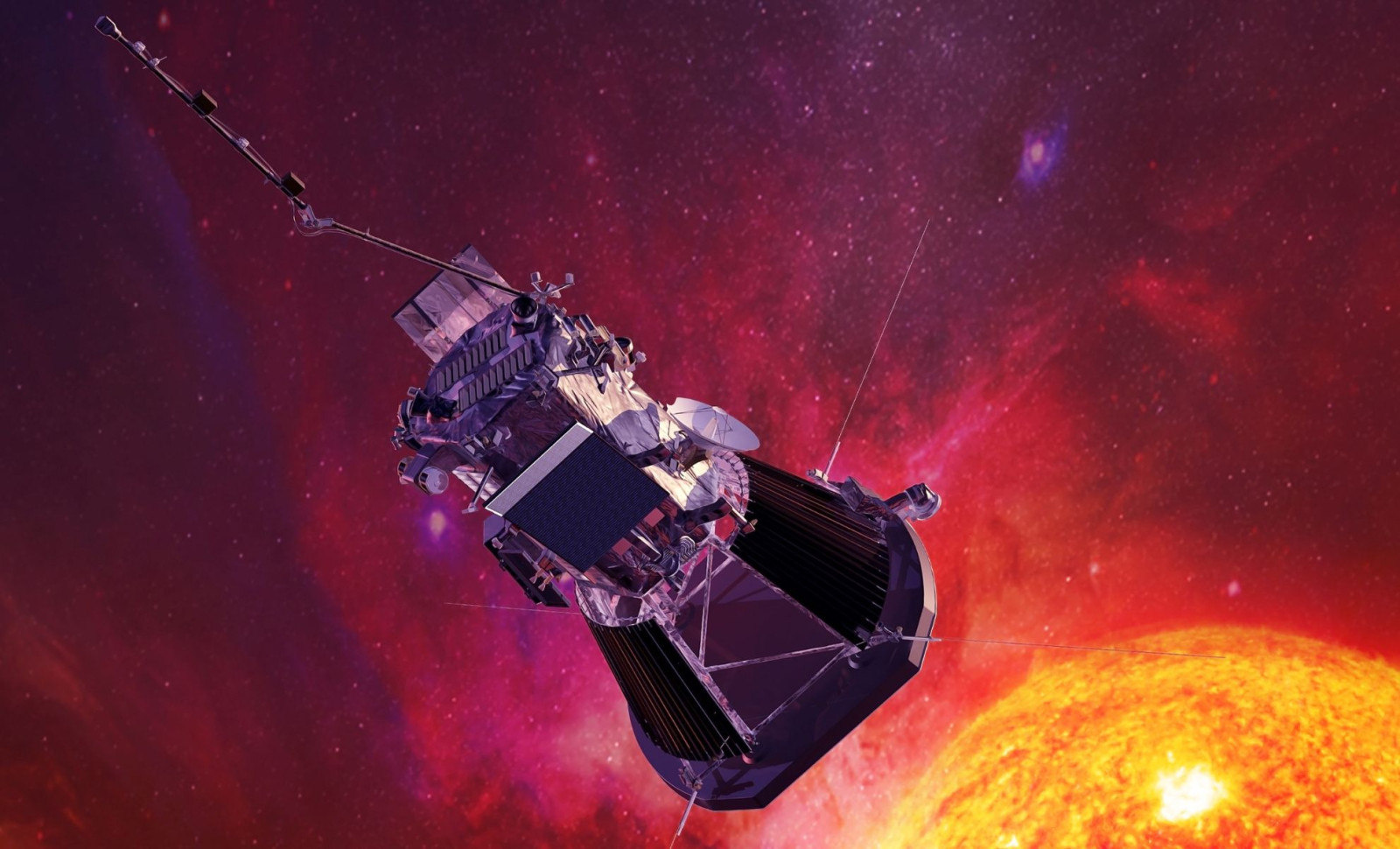
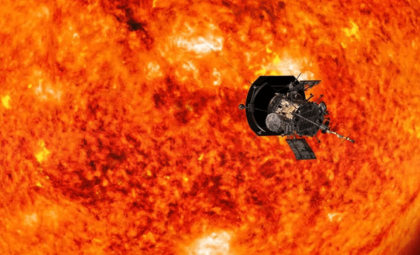
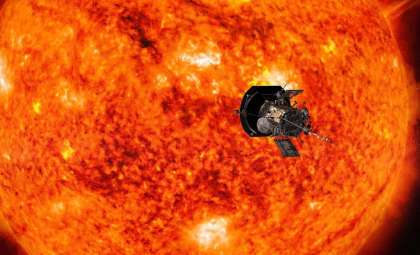
The Parker Solar Probe has broken records by approaching closer to the Sun than any previous spacecraft. Its invaluable observations are shedding fresh light on the solar wind, a continuous flow of charged particles emanating from the Sun that affects the entire solar system.
Since its 2018 launch, the Parker Solar Probe has been collecting comprehensive data from the Sun’s outer atmosphere, a region previously inaccessible to scientists. Its near-Sun orbits provide a detailed look at solar wind behavior, helping scientists better understand processes that could safeguard Earth and its technologies from space weather threats.
Parker Solar Probe: Pioneering Solar Exploration
The mission, initiated in 2018 by NASA’s Parker Solar Probe, aims to perform the closest solar flybys ever attempted, delivering essential insights into solar wind dynamics. As reported in Geophysical Research Letters, the probe’s latest approach brought it within 3.8 million miles of the Sun’s surface. Leveraging a series of gravity assists from Venus, the spacecraft is unveiling new aspects of solar behavior and its influence on the heliospheric environment.

This groundbreaking mission enables specialists to map the Sun’s external limits and investigate how solar wind is originated, accelerated, and warmed. Close-range plasma measurements are enhancing predictive models of solar activity.
Unraveling the Solar Wind Heating Puzzle
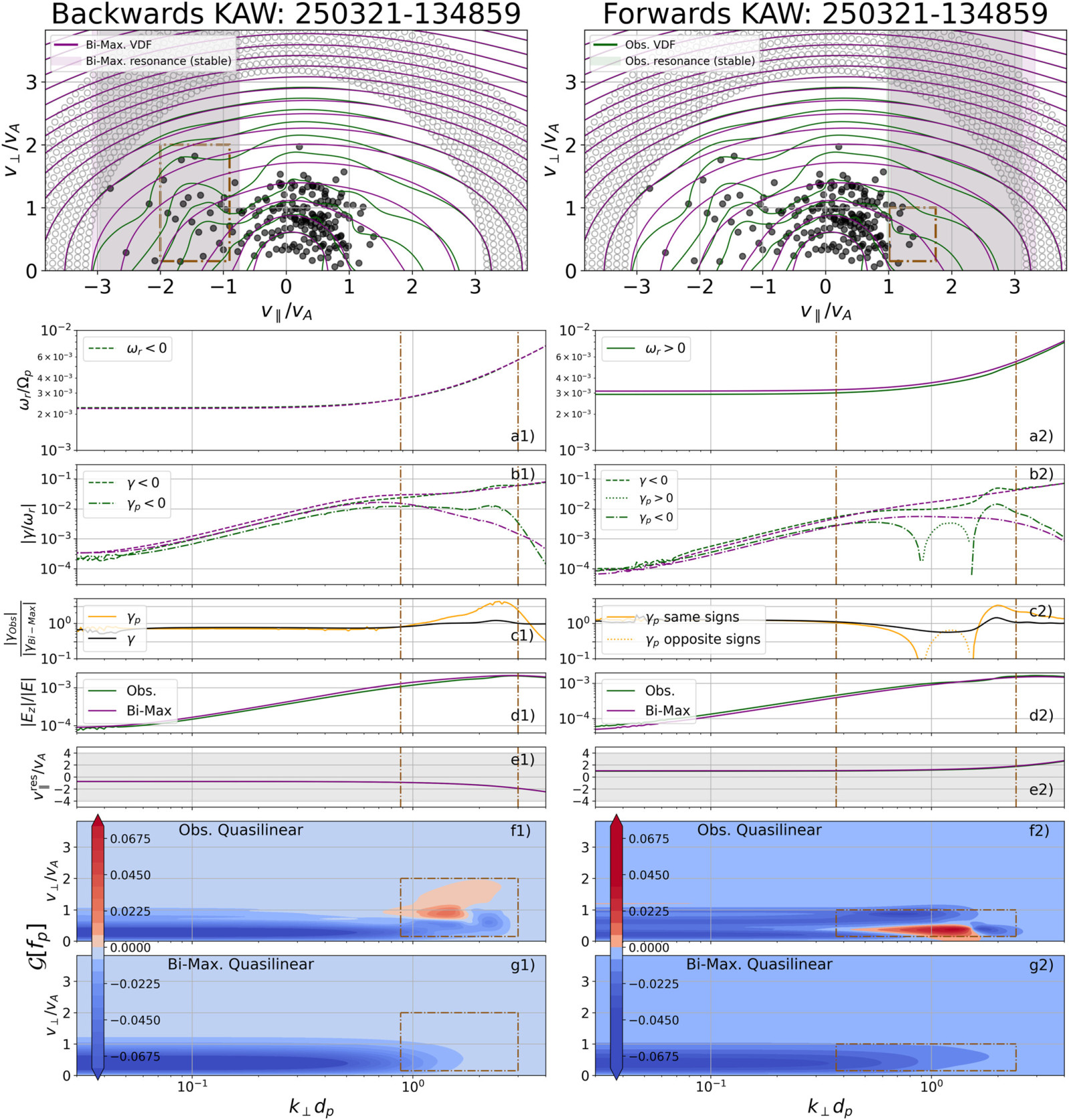
A longstanding question in solar physics centers on the unexpected heating of the solar wind as it departs from the Sun. The corona, the Sun’s outermost layer, exhibits temperatures millions of degrees higher than its surface, which itself cools to about 10,000 degrees Fahrenheit. This intriguing thermal anomaly has challenged researchers, but findings from the Parker Solar Probe are beginning to illuminate this process.
Kristopher Klein, an associate professor at the University of Arizona and the study’s lead scientist, emphasizes that understanding the mechanisms by which the solar wind gains energy as it moves outward is a vital step in solving this enigma.
“We have made simplified models, we’ve run computer simulations, but by launching Parker Solar Probe and by doing these detailed calculations of the structure of the velocity distribution of the particles, we can improve those models and calculate actually how the heating occurs at these at these extremely close distances where we have never measured before.”
Such precise observations promise to enhance our comprehension of solar wind behavior, improving solar event forecasting and the assessment of their potential terrestrial effects.
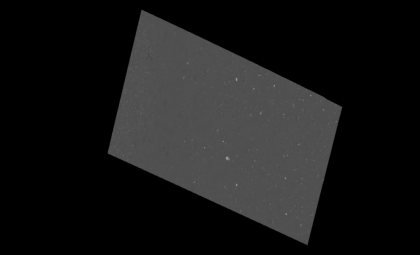
🚨: NASA PROBE CAPTURED CLOSEST EVER IMAGES TO THE SUN, only 0.04 AU from the solar surface
— Curiosity (@MAstronomers) February 3, 2026
NASApic.twitter.com/lZVMe1UF9K
- Categories:
- Nasa





0 comments
Sign in to Comment