
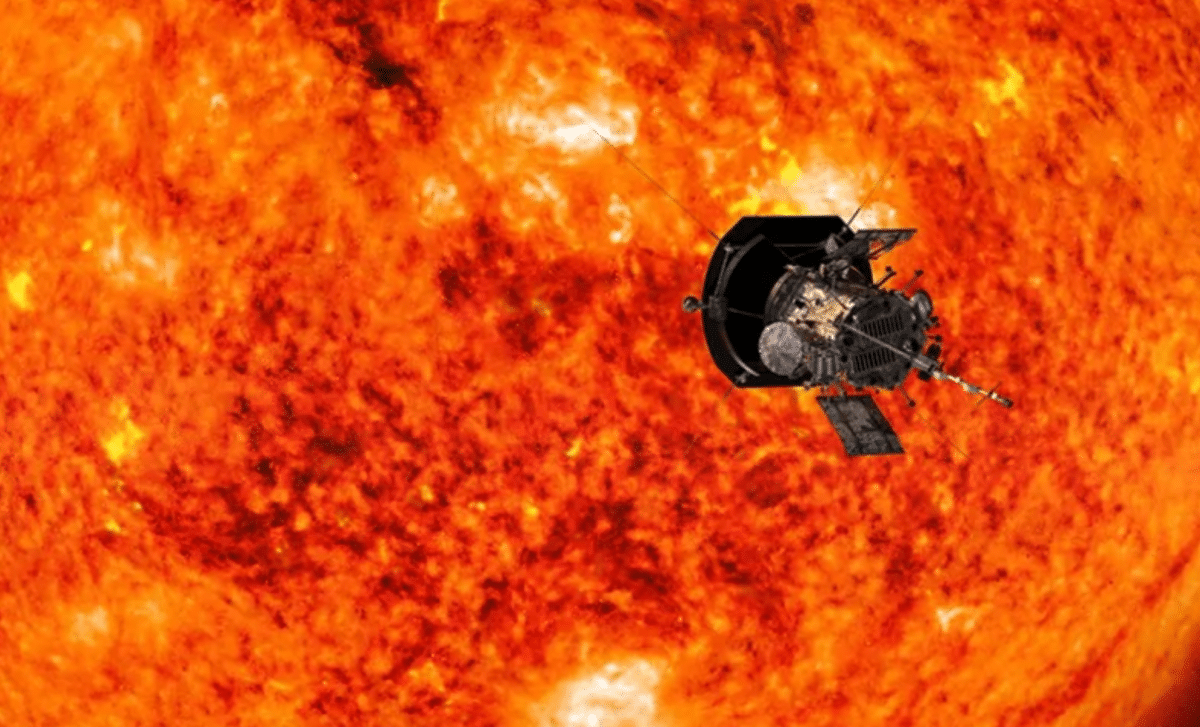
Parker Solar Probe, NASA’s trailblazing spacecraft, is revolutionizing our understanding of the Sun by venturing closer than any previous mission. Its latest close flyby has yielded groundbreaking data on solar winds, solar flares, and other solar activities. A recent study unveils a remarkable "U-turn" behavior in solar winds, underscoring Parker’s critical role in decoding solar dynamics and their influence on space weather around Earth. This article explores these key discoveries and their significance for solar science.
How Parker Solar Probe is Transforming Our View of the Solar Atmosphere
Since its launch in 2018, Parker Solar Probe has pushed the boundaries of solar exploration by penetrating the blisteringly hot Sun’s corona. It is the first spacecraft to enter this atmospheric layer, providing unprecedented observations of solar wind and magnetic environment processes. During its recent orbit, Parker flew within 3.8 million miles of the Sun’s surface, setting a record for the closest approach ever made. Monitoring the solar wind and magnetic fluctuations, the probe offers valuable insights to improve forecasting of solar-driven space weather.
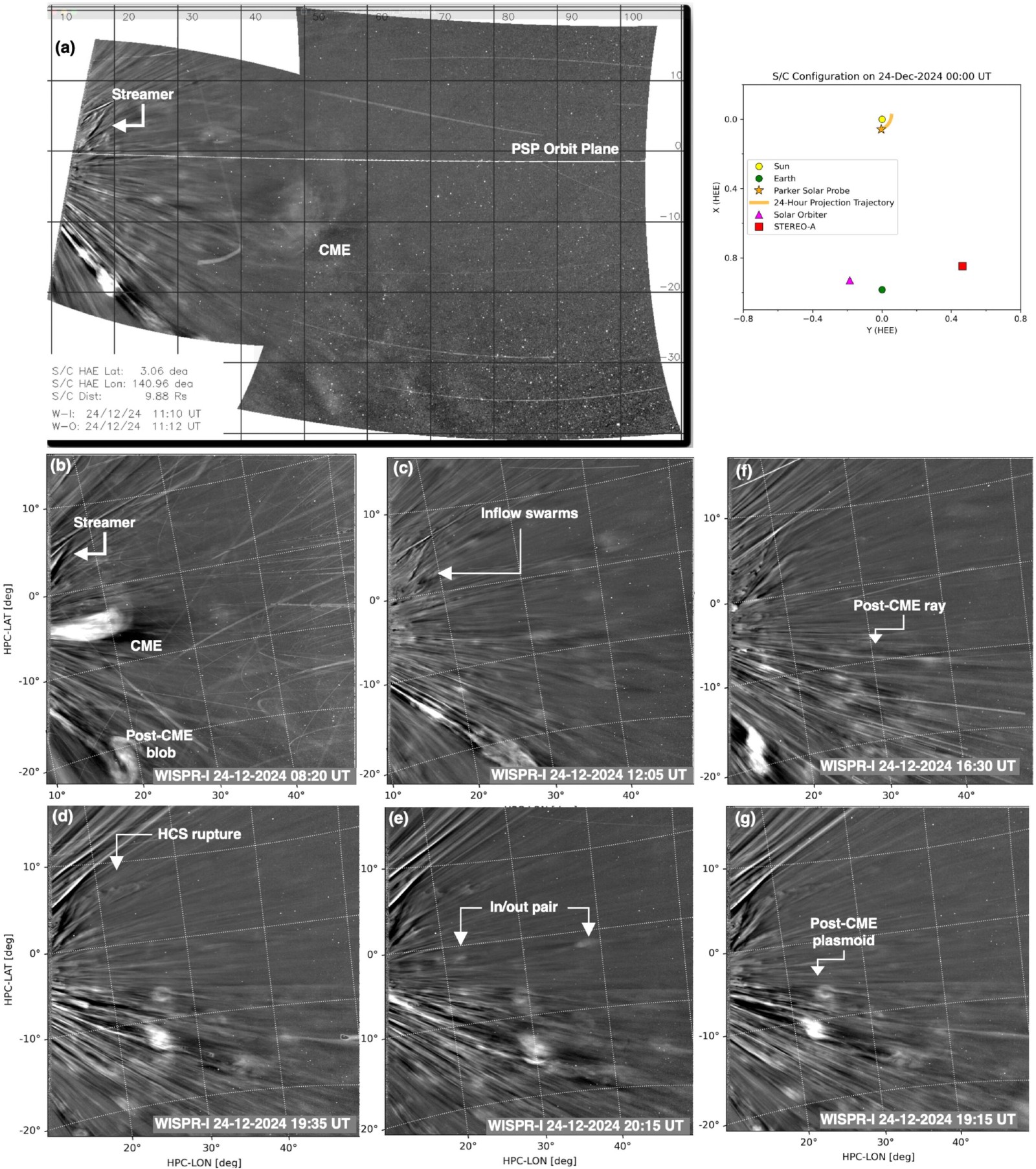
A study featured in the Astrophysical Journal Letters reports a significant finding: solar winds, after they launch from the corona, occasionally perform a notable “U-turn.” This unexpected motion helps explain previously puzzling solar wind patterns that influence Earth’s magnetosphere and can disrupt technological infrastructure.

Thanks to its close vantage point, the Parker Solar Probe is poised to reveal further mysteries of the Sun’s magnetic architecture.
“Eventually, with more and more passes by the sun, Parker Solar Probe will help us be able to continue building the big picture of the sun’s magnetic fields and how they can affect us,” said Nour Rawafi, the project scientist behind Parker.
As the solar cycle shifts from its peak to a calmer phase, upcoming data could uncover even more striking solar events.
Decoding Solar Wind and Its Effects on Earth
One of Parker’s core objectives is to study the solar wind—streams of charged particles continuously emitted by the Sun’s corona. These gusts travel across the solar system, interacting with Earth’s magnetic field and sometimes triggering geomagnetic storms. Such storms can disrupt communications, damage power grids, and impair navigation technologies.
For example, in March 1989, a severe solar flare triggered a geomagnetic storm that caused a widespread blackout in Quebec lasting nearly 12 hours. Solar flares and coronal mass ejections (CMEs) can also cause radio communication outages, as was documented during that event. By delivering precise solar wind measurements, Parker enables researchers to better understand and forecast these space weather phenomena.
The probe has already revealed how solar winds behave within varying magnetic conditions near the Sun. In particular, Parker’s detection of a solar wind “U-turn” offers new insights into the complex motion of charged particles in the Sun’s magnetic domain.
“The flare is like the muzzle flash, which can be seen anywhere in the vicinity. The (coronal mass ejection) is like the cannonball, propelled forward in a single, preferential direction … only affecting a targeted area,” NASA explains.
This analogy highlights the difference between widespread solar flares and the more concentrated CMEs, both crucial factors shaping space weather conditions.
Examining Solar Flares and Their Effects in Detail
Solar flares are intense eruptions of energy and radiation from the Sun’s surface, capable of reaching Earth within minutes. Though they don’t pose direct health risks, these events can interfere with satellite signals and GPS reliability. Parker Solar Probe’s investigations are crucial for unraveling how these energetic bursts unfold and their ramifications for Earth-based technology.
Besides flares, the mission also explores coronal mass ejections (CMEs)—huge expulsions of solar plasma and magnetic fields that extend far into space. Parker has captured these CMEs with unprecedented clarity. When CMEs interact with Earth’s upper atmosphere, they can create stunning auroras but also disrupt critical electronic systems.
Among its most vital achievements, Parker has mapped the Sun’s magnetic field and identified the Alfvén surface—the boundary where solar material escapes to become solar wind. This mapping is essential for understanding how solar magnetic forces influence space weather and its potential impacts on Earth’s technological infrastructure. According to Joe Westlake, director of NASA’s heliophysics division,
“The insights we gain from these images are an important part of understanding and predicting how space weather moves through the solar system, especially for mission planning that ensures the safety of our Artemis astronauts traveling beyond the protective shield of our atmosphere.”
- Categories:
- Nasa






0 comments
Sign in to Comment