
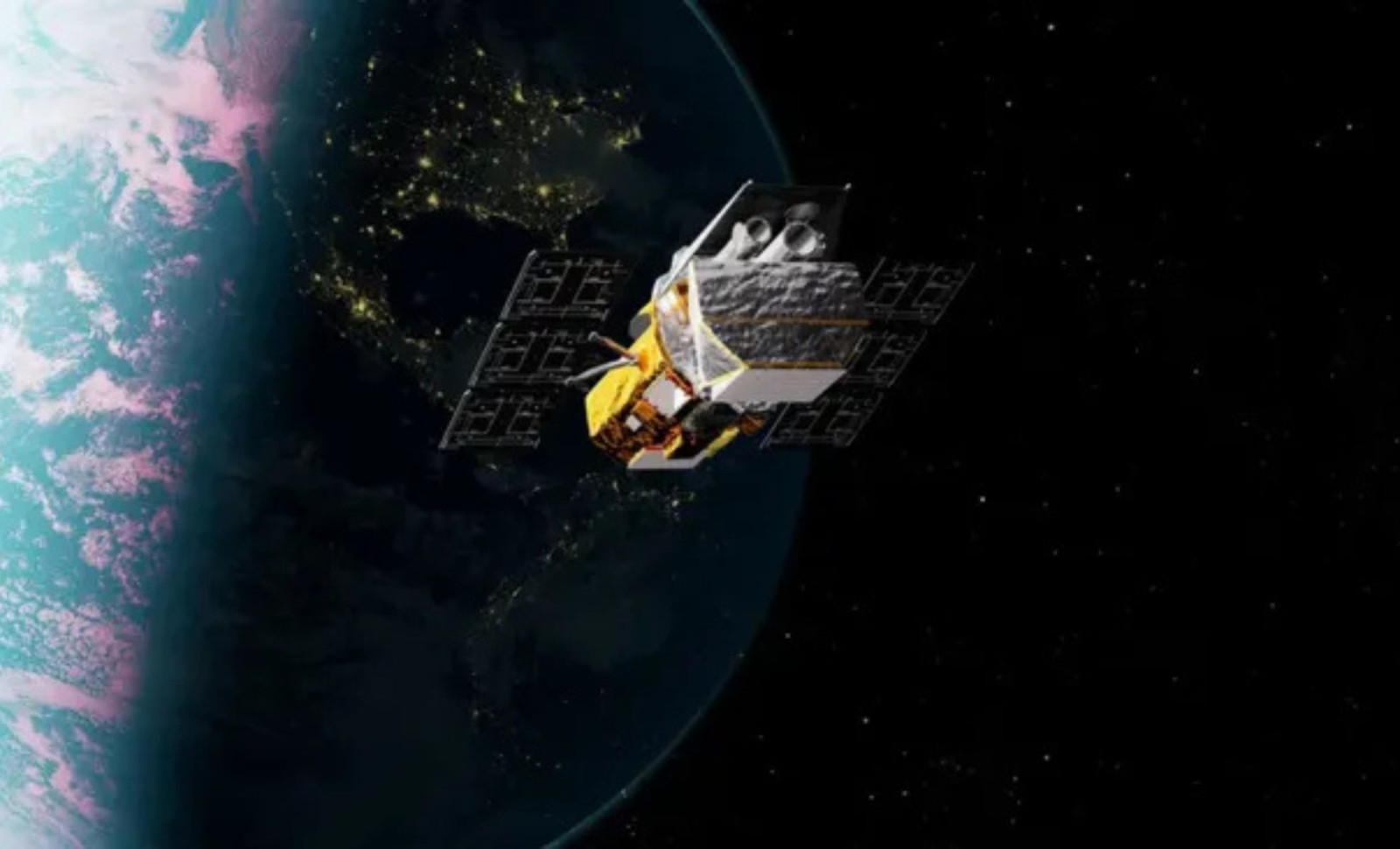
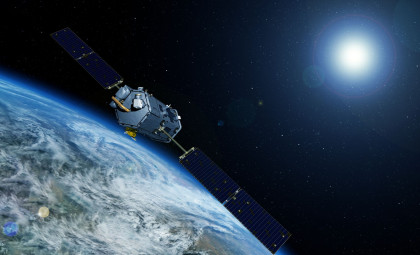
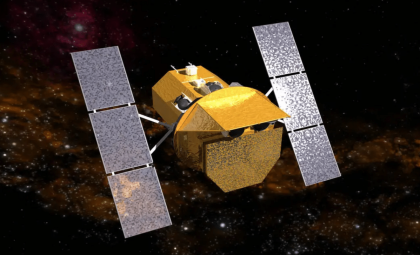
After orbiting Earth for over 20 years, NASA’s Swift space telescope is gradually losing altitude. To preserve this valuable scientific asset, NASA is launching an innovative mission to intercept the telescope and boost it to a higher orbit. This unprecedented operation, named Swift Boost, could prolong the observatory’s capabilities and scientific output.
Swift Continues to Yield Discoveries Two Decades After Launch
Introduced in 2004, the Neil Gehrels Swift Observatory was originally intended to investigate gamma-ray bursts, some of the universe’s most energetic explosions. Though initially planned for a two-year mission, Swift remains operational well beyond expectations.
During a NASA update on June 17, Brad Cenko, the lead scientist for Swift, noted that the telescope has recorded over 2,000 gamma-ray bursts since its deployment.

“Swift was designed to study gamma-ray bursts, short-lived flashes of high-energy light that release more energy in just a few seconds than the sun will in its entire lifetime,” Cenko said.
The telescope has played a pivotal role in groundbreaking findings, such as confirming that elements like gold and platinum form during extreme cosmic events linked to gamma-ray bursts, according to Cenko.
Even though the telescope remains in solid condition, its orbit is deteriorating. Initially placed about 600 kilometers above Earth, Swift lacks any onboard propulsion. Atmospheric drag, intensified by recent heightened solar activity, has gradually lowered its orbit. NASA discovered last year that Swift’s descent is accelerating and warned it could return to Earth unless action is taken.
A Spacecraft Designed and Assembled in Just Nine Months
To address this challenge, NASA awarded Katalyst Space Technologies a contract in September 2025 to create a spacecraft capable of rendezvousing with Swift and elevating its orbit. The company had an ambitious nine-month deadline.
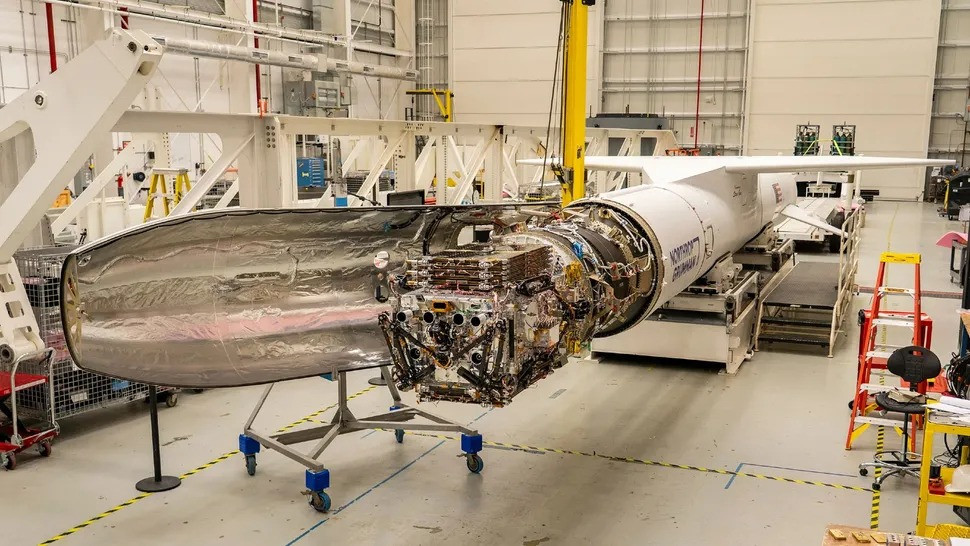
The resulting spacecraft, named Link, is now set to launch on the final flight of Northrop Grumman’s Pegasus XL rocket, targeting liftoff on June 27.
“In the last nine months, we have gone from a clean sheet to a spacecraft that is currently integrated on a rocket on an airplane, ready to go to Kwaj for launch,” said Kieran Wilson, Link’s principal investigator.
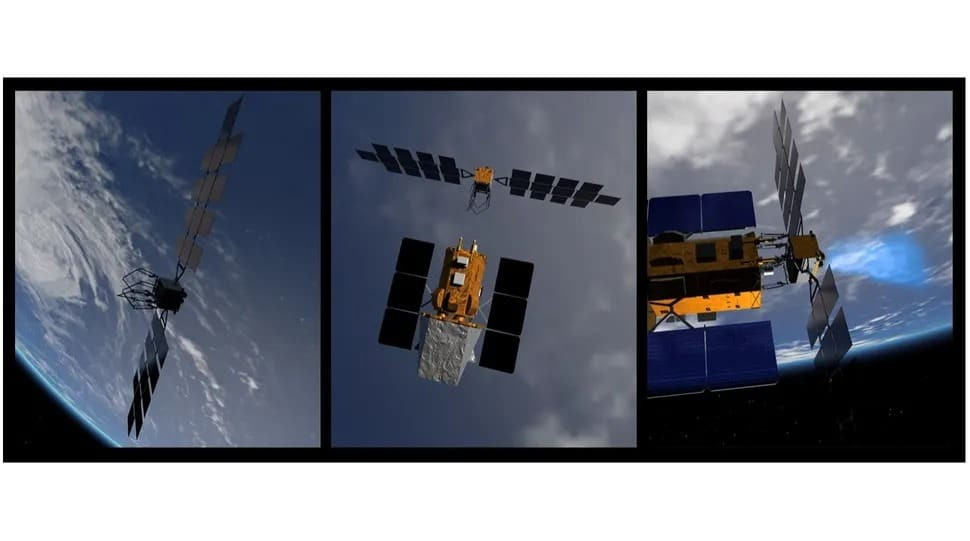
Weighing 425 kilograms, Link is equipped with three robotic arms, three Hall thrusters, 16 reaction-control thrusters, and solar panels. Post-launch, a thorough system check will precede its journey to intercept Swift. Upon arrival, the spacecraft will execute complex maneuvers to secure itself and incrementally boost the telescope’s altitude.
Significant Obstacles Remain Ahead
Constructing the spacecraft was just the beginning. Successfully capturing Swift presents substantial challenges, as the telescope was not built to facilitate in-orbit servicing. This means Link must attach to a craft lacking any docking interfaces. Additionally, after two decades in space, some parts of Swift may have become brittle, including insulation that risks damage during docking, noted Wilson.
NASA officials have been open about the mission’s complexities. During the June update, Shawn Domagal-Goldman, head of NASA’s Astrophysics Division, acknowledged skepticism about the rapid pace of progress.
“Frankly, I have to be honest: No one thought it was going to be possible,” he said. “No one thought we would get as far as we’ve already gotten today.”
Another unpredictable element is solar activity. The very solar phenomena that contributed to Swift’s orbital decline could exacerbate it. NASA warns the telescope may drop below 300 kilometers by October, potentially placing it beyond reach.
- Categories:
- Space





0 comments
Sign in to Comment