
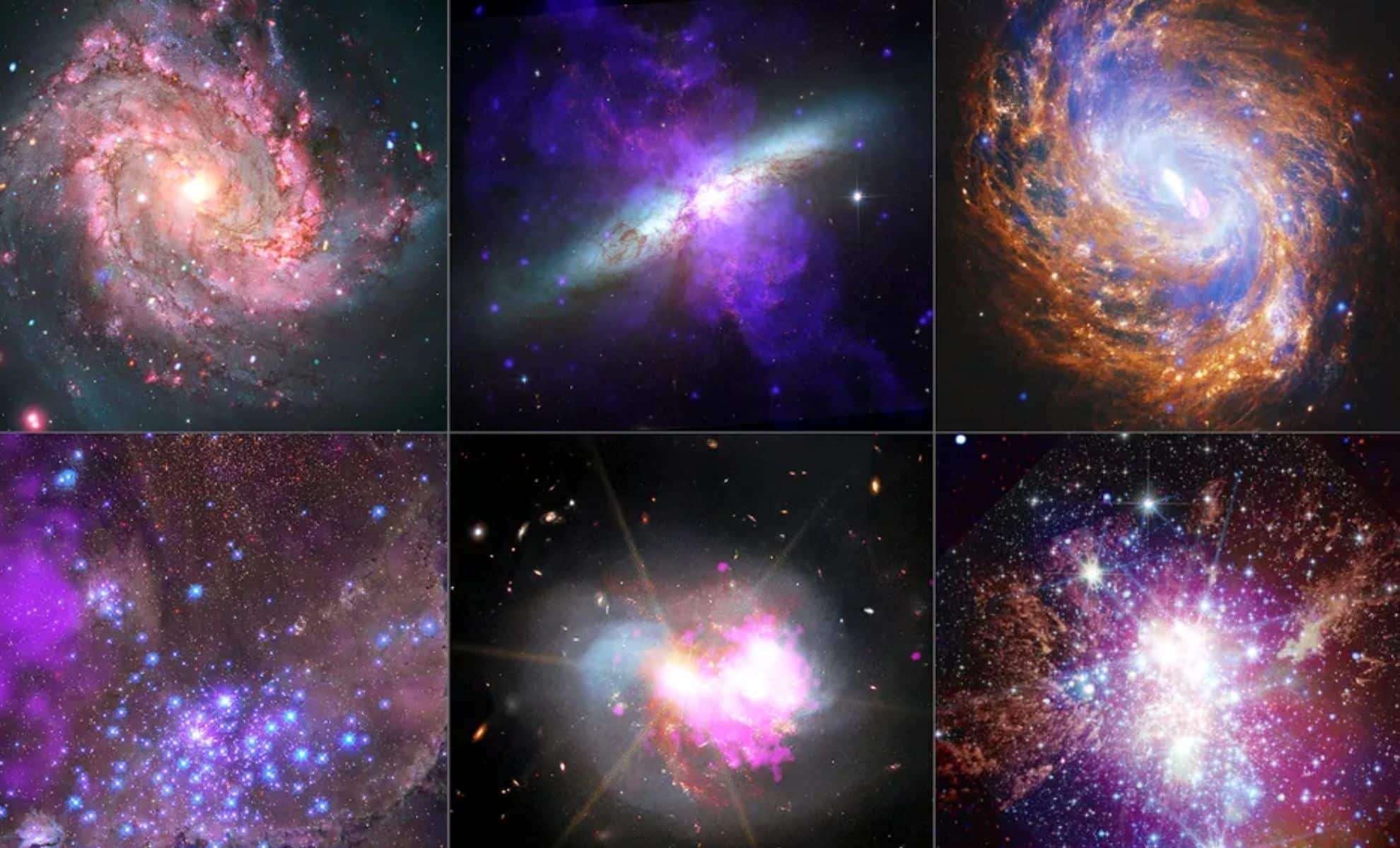
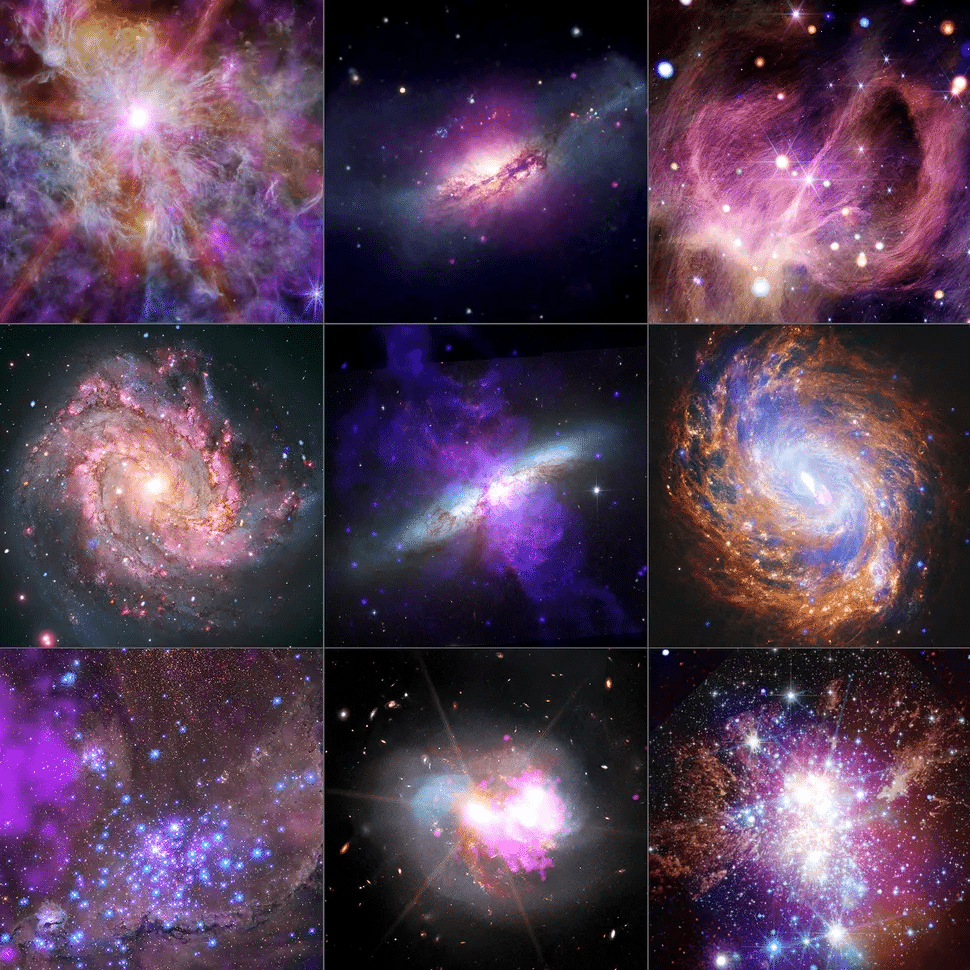
On July 23, 2025, NASA released an extraordinary collection of nine stunning images captured by the Chandra X-ray Observatory. These new snapshots illuminate the universe’s most energetic and extreme environments, revealing details unseen by traditional telescopes. While instruments like Hubble focus on visible wavelengths and JWST excels in the infrared, Chandra’s unique X-ray perspective uncovers the intense forces around black holes, supernova remnants, and heated interstellar gases.
Exploring the Universe Through X-rays
Operating since 1999, the Chandra X-ray Observatory has revolutionized our knowledge of high-energy celestial phenomena. X-rays originate from some of the hottest and most violent locations in space—regions surrounding black holes, neutron stars, and aftermaths of supernova explosions. By detecting these rays, Chandra provides invaluable insights into the dynamics of these extreme objects and events.
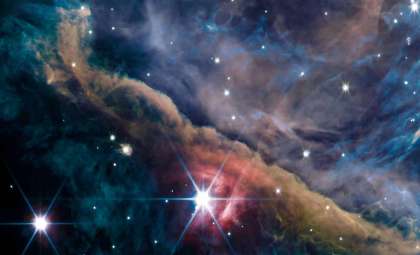
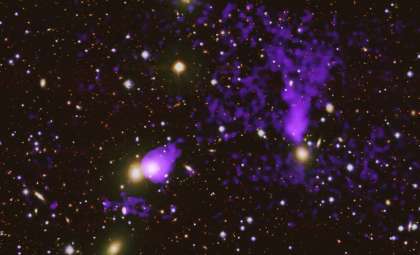
The newly released images each portray distinct cosmic regions, revealing structures and interactions often invisible in optical astronomy. Gleaming in vivid purples and pinks, the X-ray data illustrate the trajectories of charged particles and heated gases. When combined with observations from Hubble and JWST, these findings compose a fuller, multifaceted image of the cosmos, clarifying how celestial bodies evolve and influence their surroundings.

Chandra’s specialization in X-rays enables researchers to probe fiery gas clouds and explosive star deaths, offering key clues about galaxy and star formation, black hole growth, and matter under extraordinary conditions. These revelations pave the way for expanded astronomical research into the universe’s most energetic and mysterious realms.
Insight into the Captured Cosmic Scenes
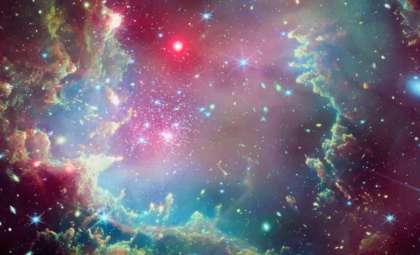
The fresh set of images showcases a remarkable diversity of astrophysical phenomena, demonstrating Chandra’s impressive capabilities. For instance, the depiction of N79, a vibrant stellar nursery in the Large Magellanic Cloud, reveals how youthful, hot stars energize and shape the surrounding gas with their radiation and stellar winds.
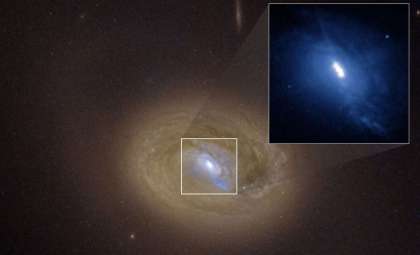
Another captivating snapshot features NGC 2146, a spiral galaxy bursting with X-ray activity from supernova remnants and powerful stellar winds. Chandra’s X-ray view uncovers the dynamic processes occurring at the galaxy’s core, illustrating how star-generated energy sculpts the adjacent gas and dust communities.
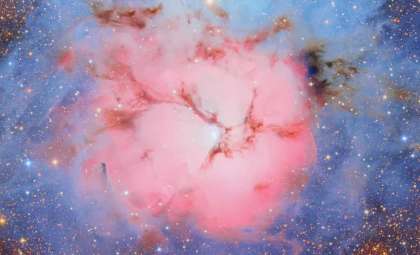
In the star-forming region IC 348, Chandra records young stars dispersed among shining interstellar dust. The delicate interplay between the newborn stars’ light and reflective dust particles adds depth, offering a detailed glimpse into the complexities of stellar birth and early development.
Illuminating the Impact of Black Holes and Supernova Explosions
One compelling theme in these images is the profound influence of black holes and supernova remnants, two of the universe's most powerful forces characterized by enormous gravity and explosive energy.
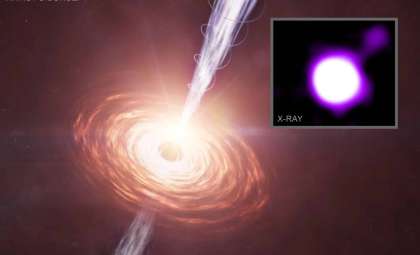
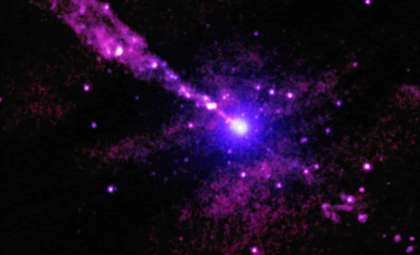
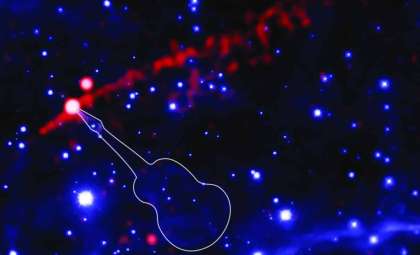
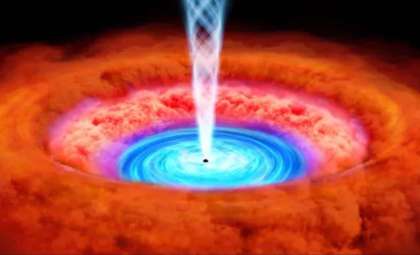
Take NGC 1068, a spiral galaxy, where Chandra exposes intense X-ray emissions streaming from its active, supermassive black hole. Surrounding this black hole is an extremely energetic zone accelerating particles close to light speed, producing potent X-rays. These reveal powerful winds emanating from the black hole’s accretion disk, blasting outward at speeds up to a million miles per hour. This observation underscores how black holes not only consume matter but actively mold their environments through colossal energy release.
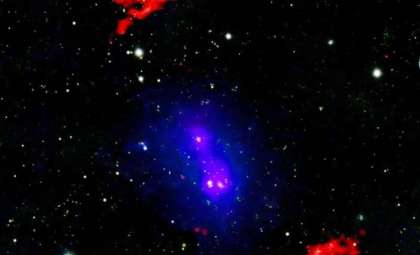
Similarly, the image of IC 1623, a galaxy in the midst of merging, displays numerous supernova remnants peppered across the collision area. The energy from these remnants drives star formation while enriching the interstellar medium with elements created in prior stellar explosions. These views deepen our understanding of how black holes and supernovae shape galaxy growth and the birth of new stars.
- Categories:
- News

0 comments
Sign in to Comment