
A significant fossil discovery near Dorset, UK, has led to the identification of a new species of ancient marine predator linked to modern crocodilians. This specimen, dating back around 185 million years to the Early Jurassic period, provides valuable insights into prehistoric evolution and pushes back the timeline for the emergence of these marine reptiles.
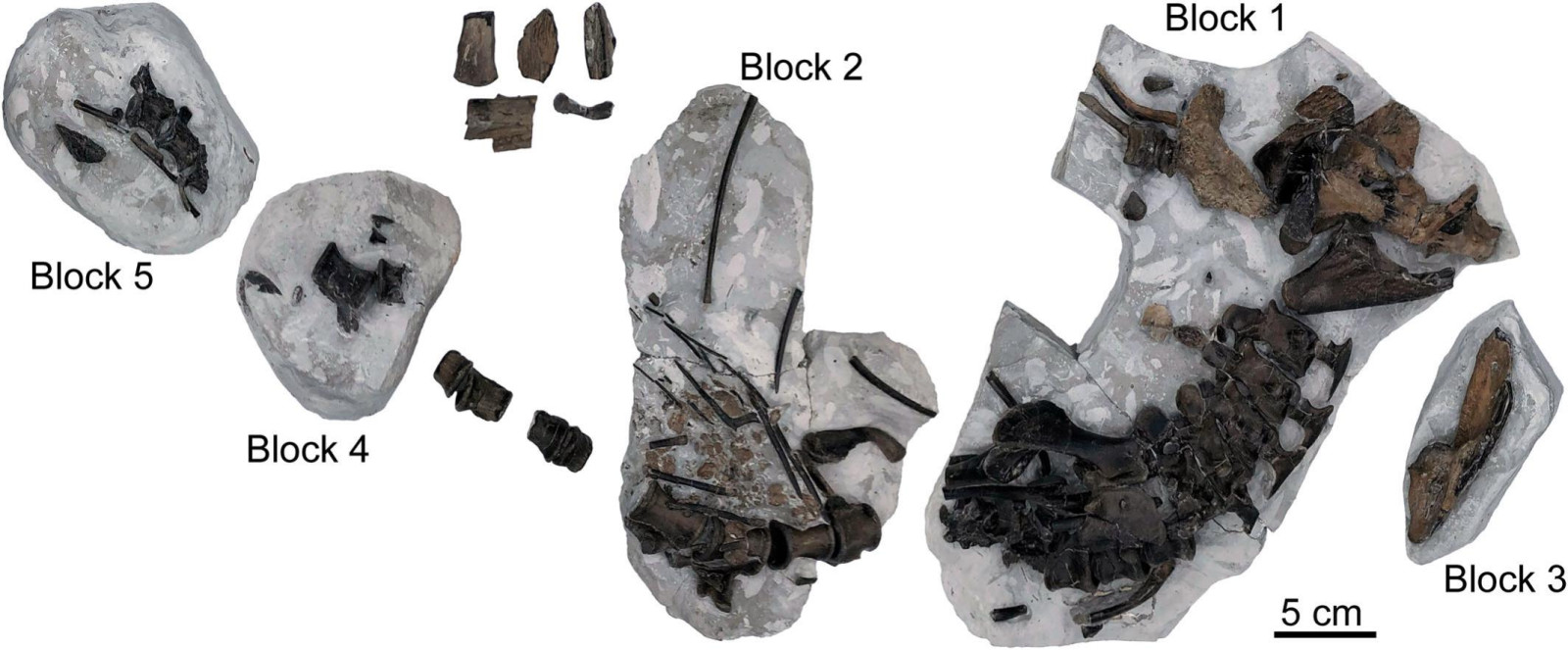
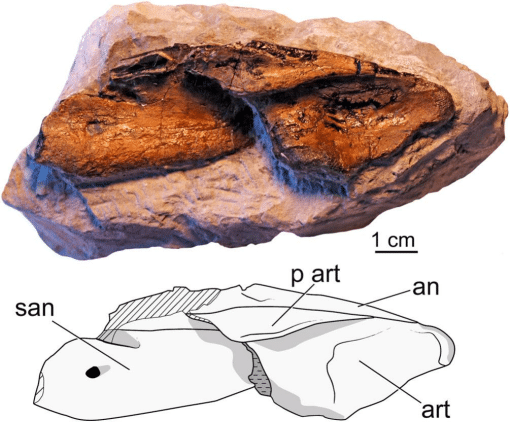
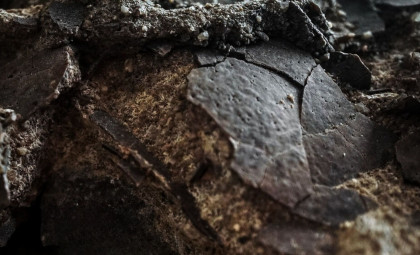
Turnersuchus hingleyae, belonging to the thalattosuchian group, was excavated from a fossil-rich area along the renowned Jurassic Coast, a hotspot for paleontological finds. The fossil includes a partial skull, vertebrae, and limb bones, making it the earliest named thalattosuchian species discovered so far.
Bridging Evolutionary History
As explained by Dr. Eric Wilberg, assistant professor at Stony Brook University and co-author of the research featured in the Journal of Vertebrate Paleontology, this fossil significantly addresses a long-standing gap in the fossil record. Previously, evidence indicated a “ghost lineage” between the Triassic and Jurassic periods. The addition of Turnersuchus implies that thalattosuchians likely originated in the Triassic and survived past the end-Triassic extinction event.

“In fact, during the publication of our paper, another paper was published describing a thalattosuchian skull discovered in the roof of a cave in Morocco from the Hettangian/Sinemurian (the time periods preceding the Pliensbachian where Turnersuchus was found), which corroborates this idea. I expect we will continue to find more older thalattosuchians and their relatives,” he stated.
Despite no thalattosuchian fossils currently being found in Triassic layers, reducing the duration of this ghost lineage, further finds such as a skull unearthed in Morocco suggest that future digs may eventually reveal their presence in the Triassic, according to the Journal of Vertebrate Paleontology.
An Ancient Marine Crocodile Kin
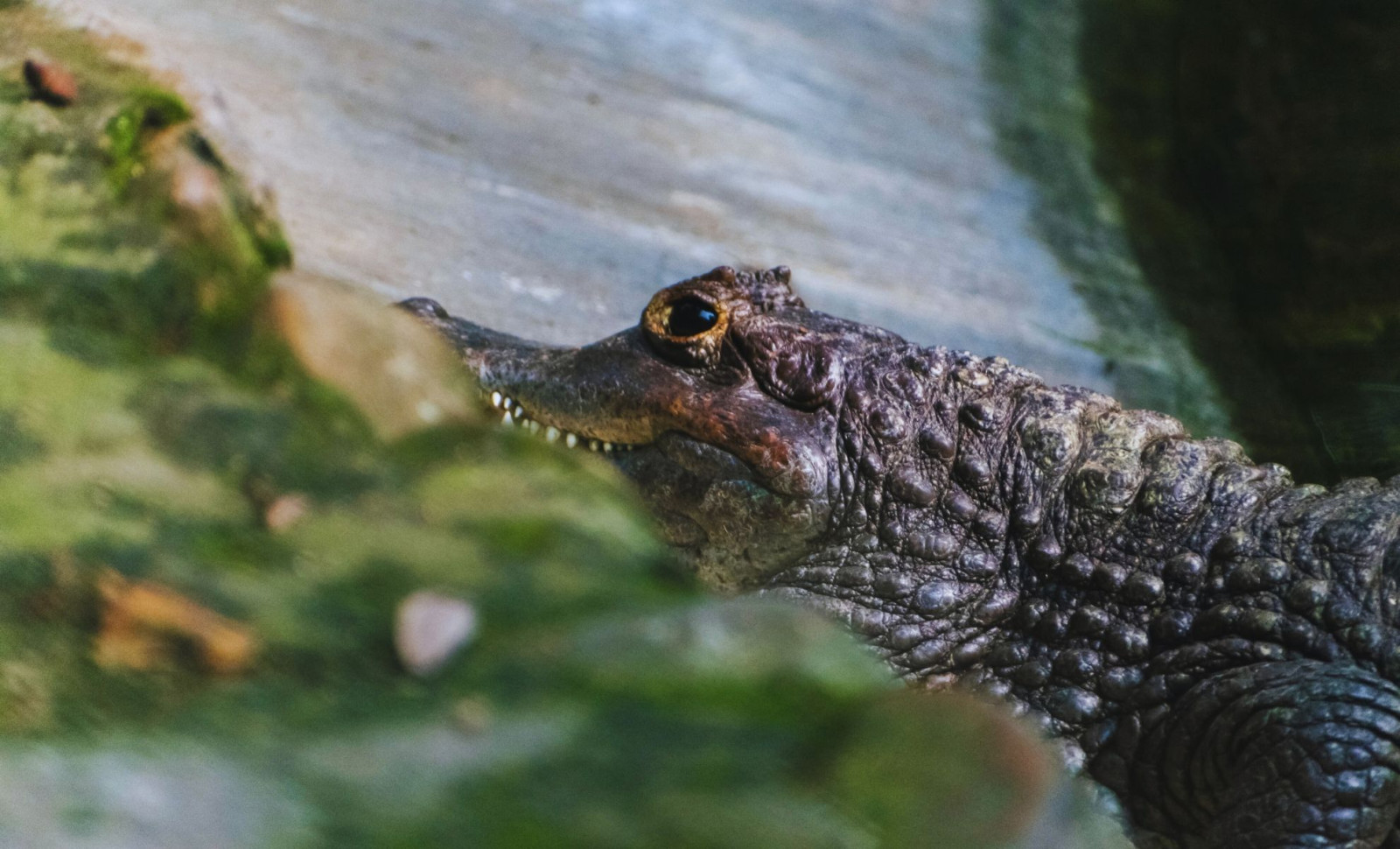
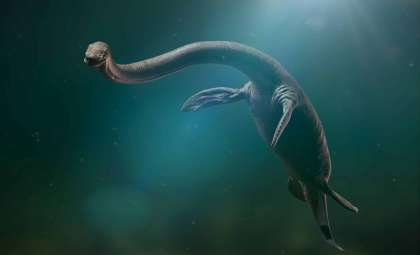
Thalattosuchians, often dubbed “marine crocodiles,” are not direct ancestors but rather distant cousins of modern crocodiles. These marine reptiles developed unique adaptations like flipper-shaped limbs and possibly even live birth capabilities. Turnersuchus likely hunted swift marine creatures such as fish and cephalopods. As co-author Dr. Pedro Godoy remarked:
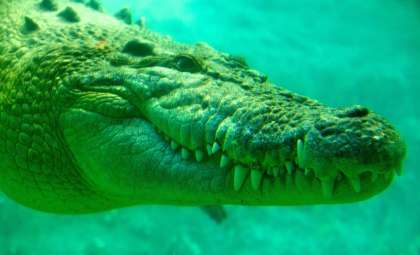
“Unlike crocodiles, this approximately 2-meter-long predator lived purely in coastal marine habitats. And though their skulls look superficially similar to modern gharials, they were constructed quite differently.”
Dr. Godoy elaborated that despite the superficial resemblance to gharials, Turnersuchus had distinct skeletal traits, especially in skull structure. The prominent supratemporal fenestrae, which house the jaw muscles, indicate that Turnersuchus had strong biting capabilities, ideal for rapid strikes against agile prey.
Public Access and Scientific Impact
The fossil was generously donated to the Lyme Regis Museum by Paul Turner and Lizzie Hingley, enabling the public to explore this extraordinary find. It was discovered within the Charmouth Mudstone Formation along the Jurassic Coast, an area renowned for fossils of ichthyosaurs, plesiosaurs, and Scelidosaurus, one of Britain’s most complete dinosaurs.
Now exhibited at the Lyme Regis Museum, the specimen enhances the museum’s collection and offers an exceptional window into Early Jurassic marine ecosystems. This discovery highlights the invaluable role of amateur fossil enthusiasts in advancing paleontological research.
- Categories:
- Science

0 comments
Sign in to Comment