
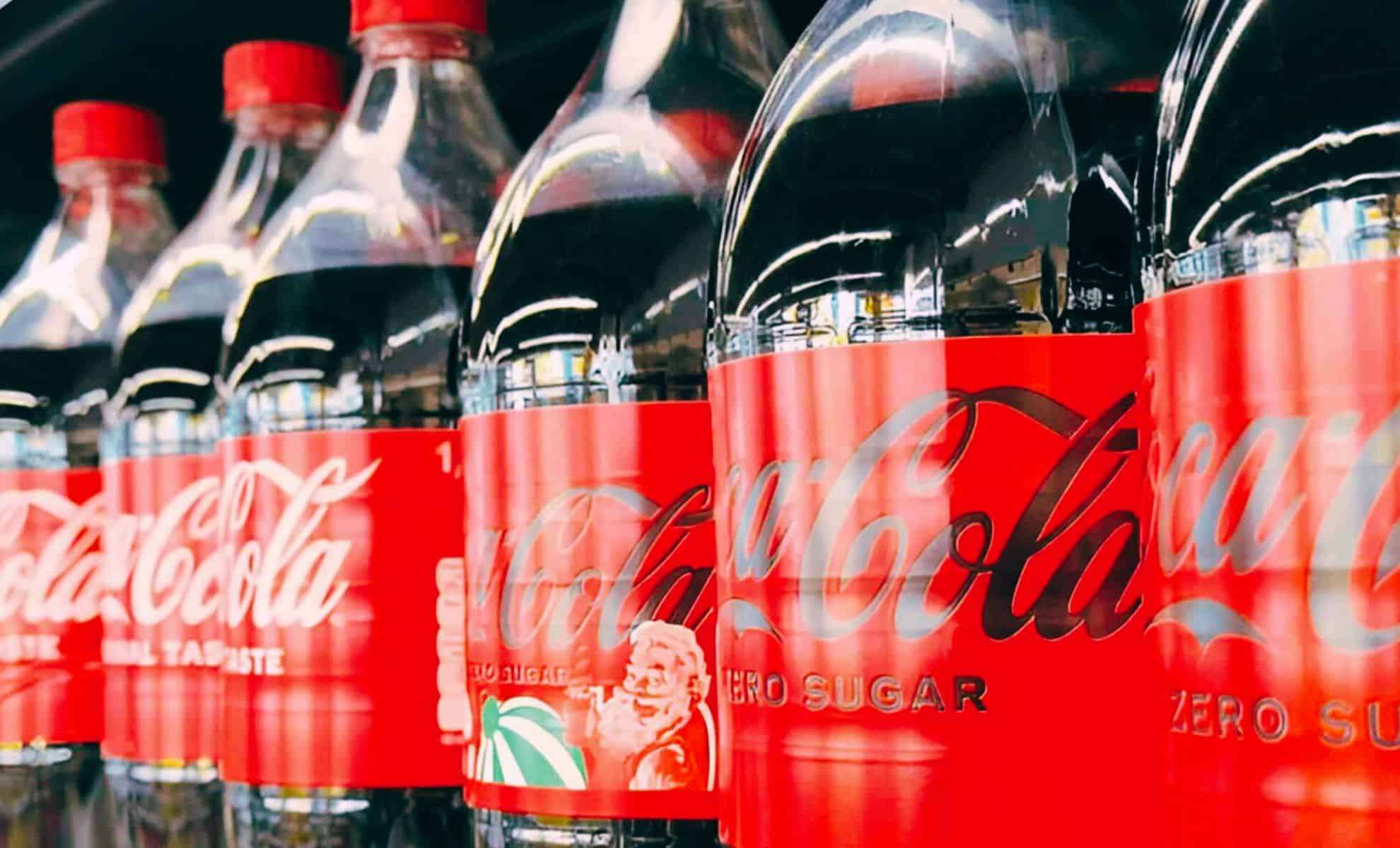
Efforts to combat plastic waste have taken a significant leap with a stringent new regulation impacting some of the globe’s biggest beverage manufacturers. This rule promises to transform how packaging is approached—and beverage giants like Coca-Cola and PepsiCo are bracing for a challenging adjustment period.
India’s Push for Sustainable Packaging
India is introducing a progressive mandate addressing its escalating plastic pollution problem by requiring major beverage producers to overhaul their packaging materials. As reported by Nature News, the directive, effective from April 1, 2025, compels manufacturers to ensure at least 30% of their plastic bottles consist of recycled content, with plans to increase this threshold annually until it reaches 60% by 2030. While this represents a positive step toward environmental stewardship, adhering to the regulations poses substantial challenges.
This initiative is part of India’s larger strategy to dramatically slash the enormous quantities of plastic litter clogging urban environments and waterways. Plastic beverage containers have long contributed to ecological harm, so this law aims not just to reduce waste but to encourage a circular economy model—where plastics are continually recycled and repurposed instead of discarded after single use.

Challenges in Implementation
The reality, however, is complex: existing infrastructure is insufficient to support these ambitious targets. Currently, India hosts only five certified facilities equipped to produce food-grade recycled PET, the plastic used predominantly for beverage bottles. Combined, these facilities can supply of the required volume. As a result, beverage companies face considerable pressure to expand recycling capacity, an undertaking that will not be completed quickly.
Industry insiders express apprehension over the feasibility of meeting the looming deadlines. According to an anonymous source speaking with The Economic Times, failure to extend the timeline might push companies toward legal challenges. The deadline coincides with the busy summer months, when demand for chilled drinks peaks, intensifying the urgency.
Financial Implications of Sustainability
Even if logistical issues are resolved, the cost factor remains daunting. Producing recycled plastic currently demands far higher investment compared to virgin plastic, estimated to increase manufacturing expenses by roughly 30%. These heightened costs are expected to trickle down to consumers, potentially driving beverage prices up amid ongoing inflation and supply chain instability.
For beverage leaders, the financial strain of abiding by the new rule is a major concern. Striking a balance between lowering plastic waste and maintaining profit margins and market position will be critical in the coming years.
What Lies Ahead for Packaging
India’s groundbreaking mandate places a renewed spotlight on the environmental responsibilities of the beverage sector. Encouraging the use of recycled materials may ignite new innovations in packaging design, inspiring development of more environmentally sustainable options such as biodegradable plastics or materials derived from plants. However, the immediate focus remains on meeting the recycled content requirements.
This rule also underscores the broader global plastic pollution crisis, driving home that the beverage industry’s challenge extends beyond packaging adjustments—it’s about contributing to a worldwide commitment to long-term sustainability.
- Categories:
- News












0 comments
Sign in to Comment