
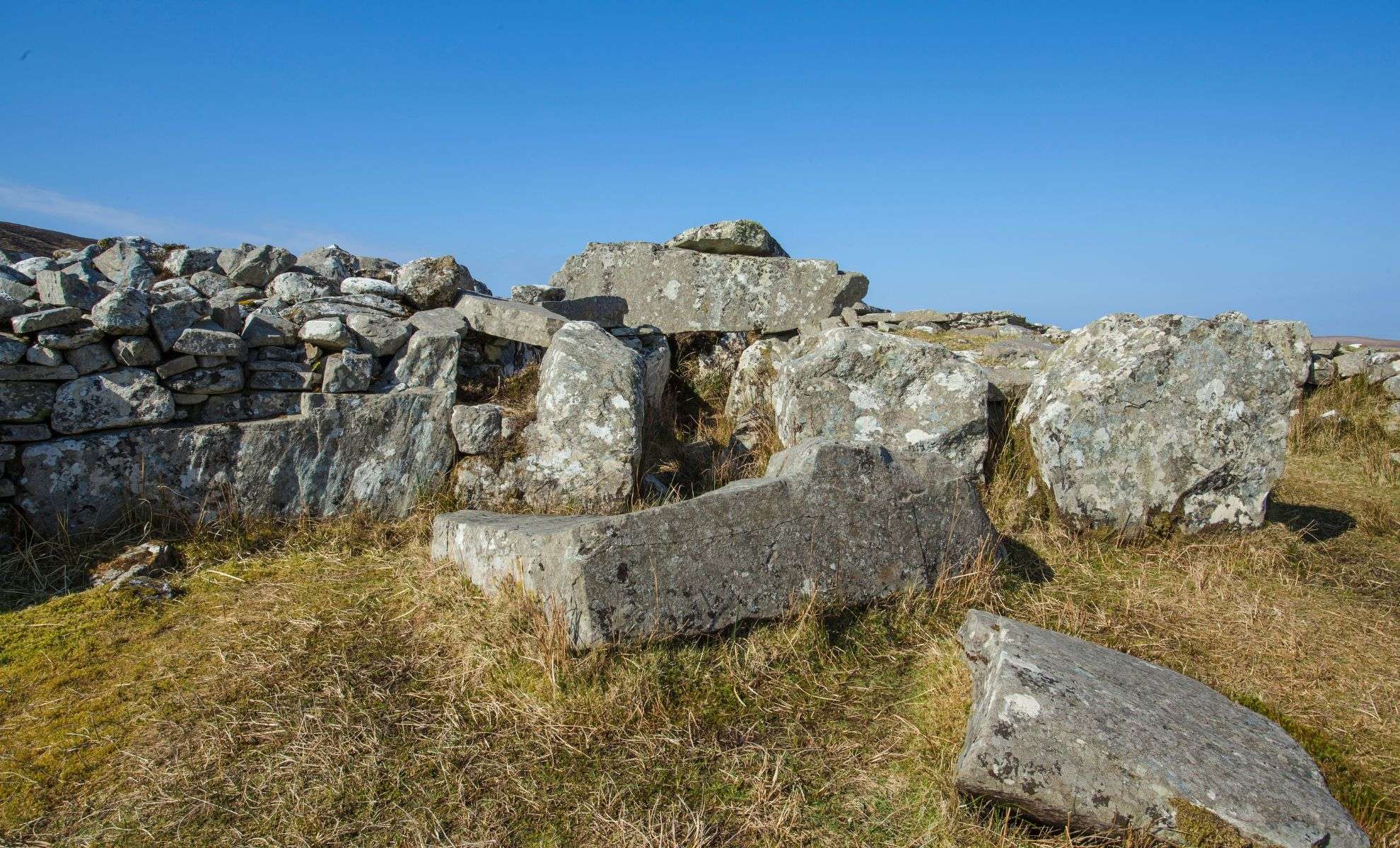
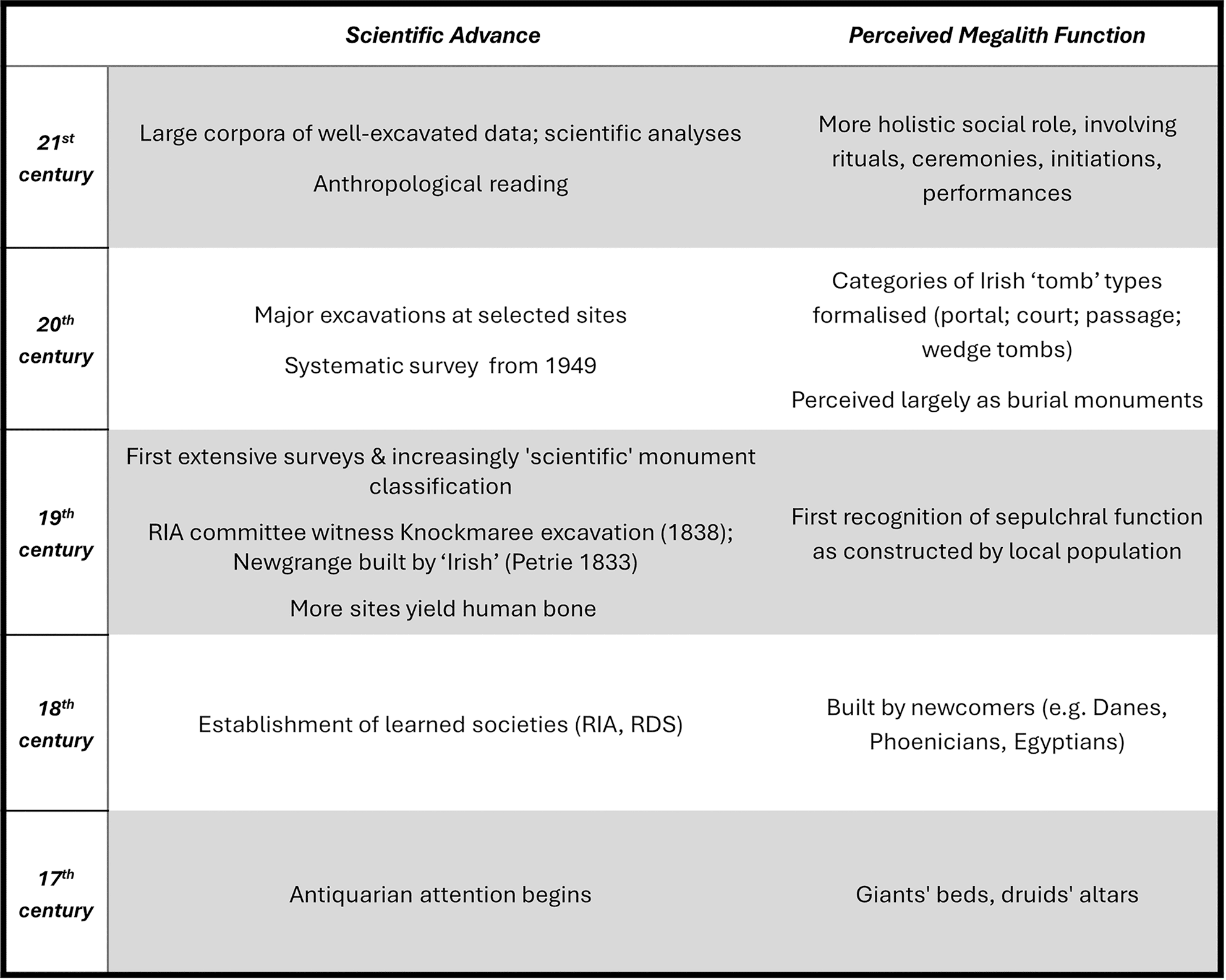
Contrary to past beliefs that Ireland’s famous megalithic tombs primarily served as burial sites for elite leaders, recent research unveils their broader social significance. Published in the Cambridge Archaeological Journal, these discoveries challenge long-held assumptions and highlight a more layered understanding of Neolithic Ireland.
Reevaluating Ireland’s Megalithic Tomb Functions
For a long time, scholars have theorized that the megalithic tombs spread throughout Ireland were constructed as resting places for privileged ruling families, akin to the burial sites of Egyptian pharaohs. A 2020 genetic study seemed to reinforce this interpretation by identifying family ties within remains found in multiple tombs, including evidence of intra-family marriage, which suggested hereditary power transmission.
Yet, Jessica Smyth, an archaeologist based at University College Dublin, expressed doubts about this narrative. Earlier digs had shown that bones in these tombs were often reassembled from different sources and intermingled over centuries. Smyth and her team revisited the genetic evidence to resolve these complexities, producing findings that transformed previous perspectives.

Discovering the Collective Spirit Behind the Tombs
The initial 2020 analysis was based on a limited number of genetic samples, restricting insight into the tombs’ social dynamics. Alongside Neil Carlin and specialists at University College Dublin, Smyth performed a more comprehensive genetic study, revealing significant gaps in earlier datasets — many remains were lost, relocated, or cremated, rendering them undetectable through genetic analysis.
When examining the accessible genomes, the team found that the individuals buried were less closely related than previously surmised.
Feasts and Monumental Architecture as Tools of Social Bonding
These monumental stone structures were constructed from materials sourced across vast distances and aligned with celestial events like the winter solstice. Carlin notes that the scale of effort points to a cooperative societal endeavor, uniting diverse community members.
“The evidence doesn’t indicate ruling dynasties but a mixture of related and unrelated individuals coming together,” Carlin explains. “They buried their deceased collectively, honored ancestors, built impressive monuments, and likely participated in communal feasting.” This implies these tombs functioned as hubs for social gatherings, with construction projects acting as a symbolic force bonding different groups and fostering shared identity.
Reimagining Neolithic Society in Ireland
Reassessing the genetic evidence has caused archaeologists to reconsider the social fabric of Neolithic Ireland. Instead of hierarchical dynasties, these discoveries suggest a more egalitarian community framework. The communal creation of megalithic tombs was integral to reinforcing alliances, encouraging collaboration, and sustaining relationships between diverse groups over time.
As Cardiff University’s Vicki Cummings observes, “What connects everything is monument building.” These structures represent not just memorials for the deceased but celebrations of collective life and societal unity.
- Categories:
- News












0 comments
Sign in to Comment