
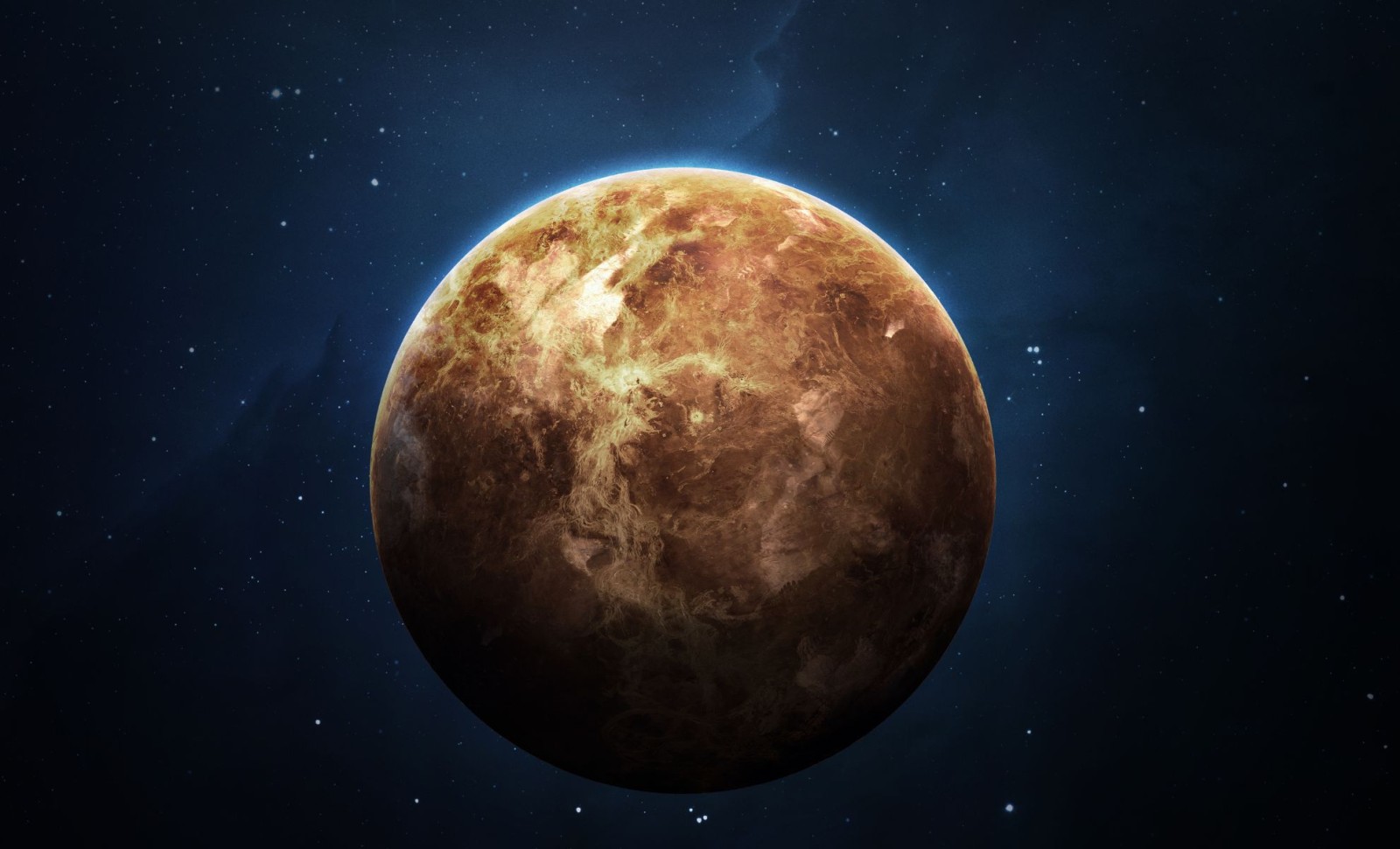
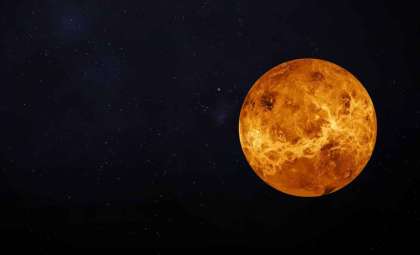
Often dubbed Earth’s counterpart due to its similar size and composition, Venus conceals a treacherous and enigmatic atmosphere that has intrigued researchers for many years. Although its harsh environmental conditions are widely recognized, many aspects of its surface weather remain poorly understood.
Recent investigations, including a groundbreaking study led by Maxence Lefèvre and colleagues at the Sorbonne, are starting to unveil the peculiar meteorological phenomena of Venus, with particular attention to its wind patterns and dust dynamics. This research employs a model that integrates limited data from previous space missions and aims to aid forthcoming expeditions like DaVINCI and VERITAS, which will explore Venus’ dense atmosphere.
Venusian Winds: Gentle Yet Influential
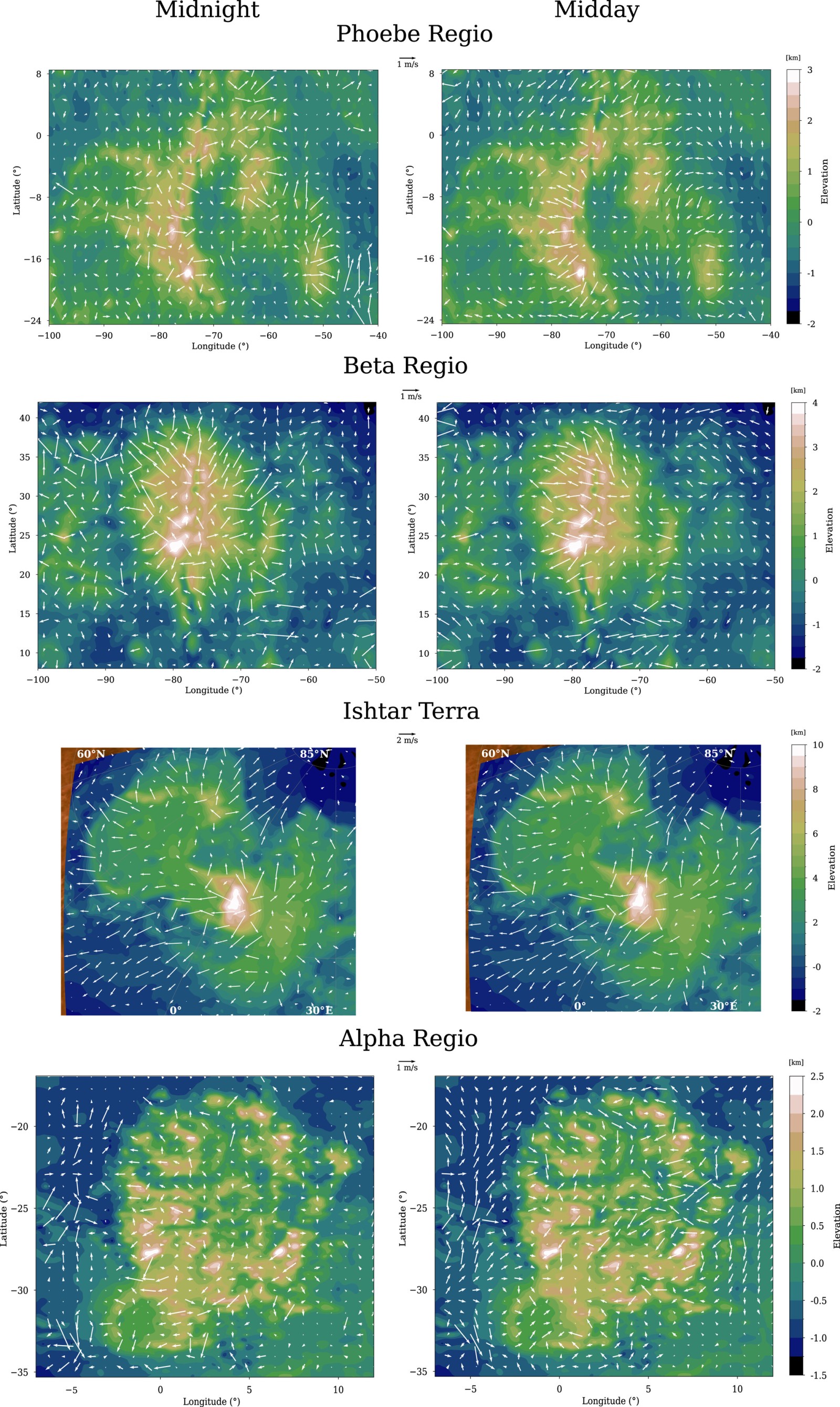
The study published on arXiv reports that surface winds on Venus are unexpectedly calm, averaging around one meter per second. Although this speed is modest compared to Earth’s winds, which may exceed 20 meters per second in severe weather, Venus’ dense atmospheric composition results in greater energy expenditure to maintain even slow airflow. Despite their low velocity, these winds substantially influence the planet by distributing heat and transporting dust, thus impacting temperature regulation across its surface.

A striking characteristic of Venus is the dramatic temperature difference between its day and night cycles. With a day that spans 117 Earth days, Venus undergoes prolonged heating and cooling phases. Lefèvre’s team discovered that winds circulating in mountainous areas crucially mitigate these temperature extremes.
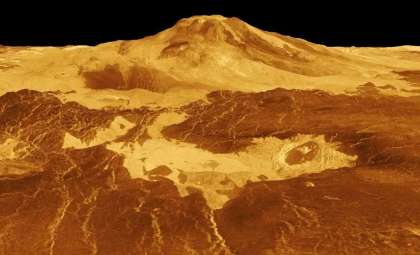
During daylight, warm air ascends along mountain slopes, while at night, cooler air descends back down. This circulation not only mobilizes dust but also helps maintain temperature stability in elevated regions, where variations are limited to less than 1 Kelvin between day and night, compared with 4 Kelvin fluctuations observed in lowland zones where winds exert less control.
Persistent Dust Challenges
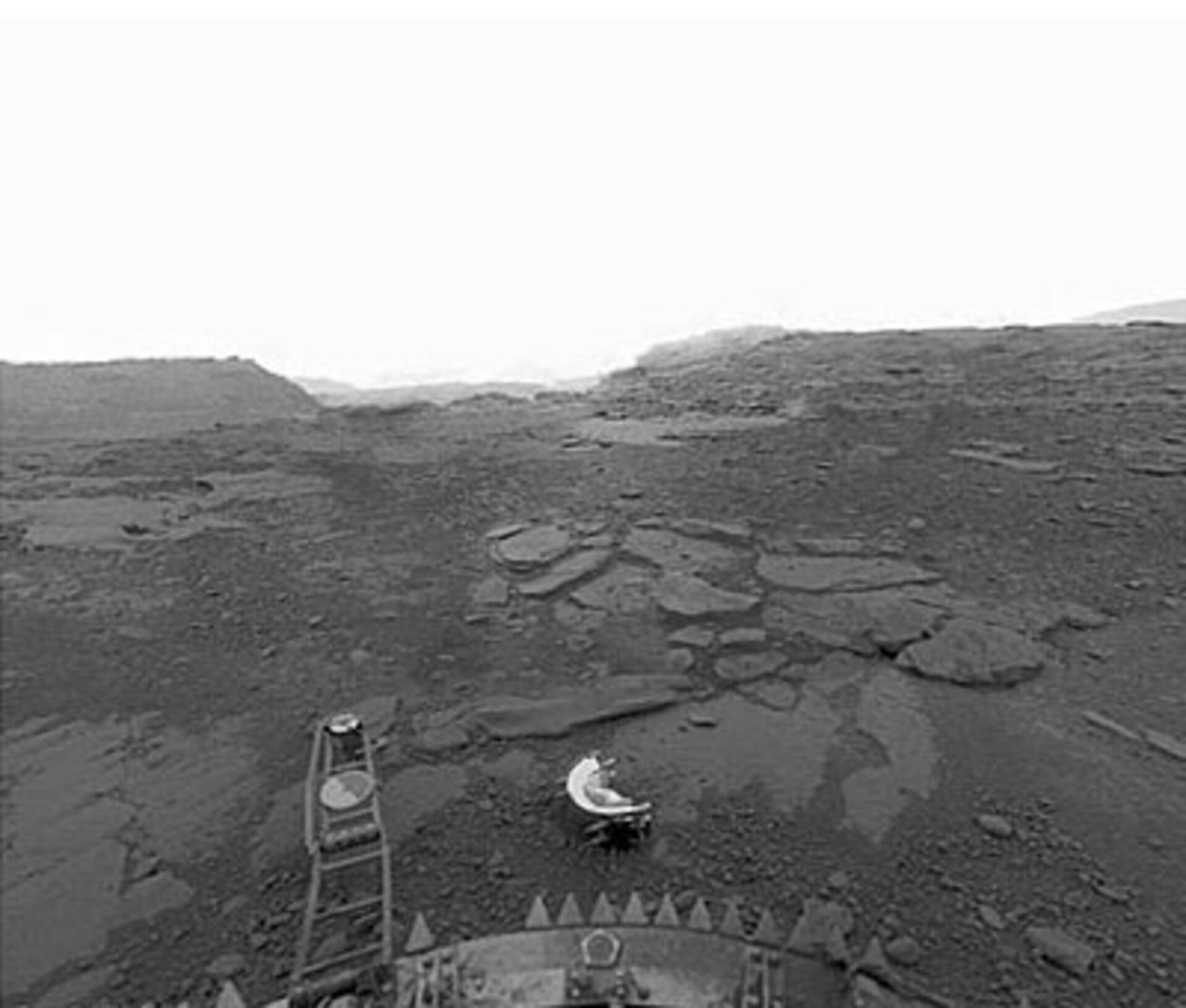
Dust plays a significant role in Venus’ atmospheric system. Though seemingly minor, dust raises substantial challenges on a cloudy planet like Venus. Lefèvre’s model indicates that winds can lift fine dust particles into the air, facilitating their movement across the surface and potentially generating dust storms that persist for hours or days.
For instance, in the Alpha Regio plateau near the equator, approximately half of the region is subjected to winds strong enough to mobilize sand-sized grains. This presents difficulties for future landers such as DaVINCI, which intends to touchdown in this area.
Localized Modeling Enhances Understanding
Moving beyond earlier approaches which treated Venus as a homogenous environment, this new model segments the planet into discrete regions to capture diverse wind and temperature features. Key environmental factors like albedo and thermal inertia are integral to decoding the complexity of Venusian climate.
Although this model marks a major advancement, Lefèvre’s team emphasizes the need for further refinement. Upcoming updates will incorporate additional variables, including the ways carbon dioxide absorbs and emits heat, to more accurately characterize conditions on Venus’ surface.
- Categories:
- Space









0 comments
Sign in to Comment