
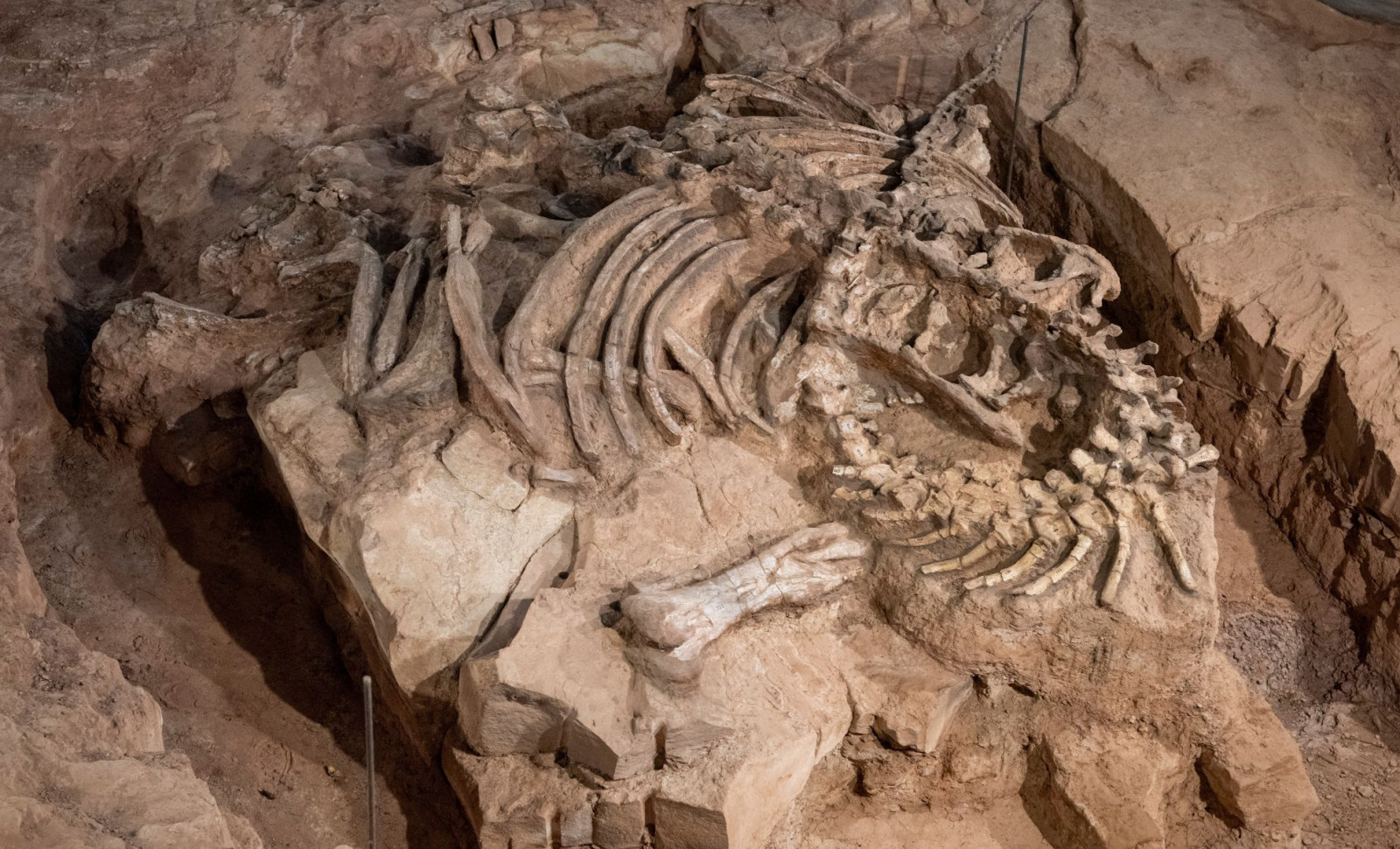
Over 160 years since its discovery along England’s Jurassic Coast, the very first complete dinosaur skeleton has been thoroughly re-examined. This new analysis sheds light on the distinctive characteristics of Scelidosaurus and clarifies its role within the dinosaur lineage.
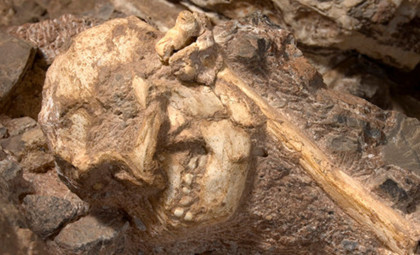
Among famous fossil finds, few have as extraordinary a backstory as Scelidosaurus. Dating back approximately 193 million years, this dinosaur was uncovered during the infancy of dinosaur research and immediately drew attention due to its exceptional preservation.
The specimen was acquired by Richard Owen, the scientist credited with inventing the term "dinosaur". However, Owen never fully described the skeleton, publishing only brief reports and leaving many aspects unexamined, which led the fossil to fade into near obscurity for over a century.

Resolution After 160 Years of Uncertainty
This changed recently thanks to the efforts of Dr. David Norman of the University of Cambridge. Over the past three years, he has studied every known Scelidosaurus specimen, including the original fossil preserved at London’s Natural History Museum.
The results appeared in four articles published in the Zoological Journal of the Linnean Society, offering the most comprehensive view to date of this early Jurassic dinosaur.
For Norman, a major revelation was how limited knowledge about this iconic specimen truly was.
“Given that context, what was actually known of Scelidosaurus? The answer is remarkably little!” he said in a statement published by The University of Cambridge.
It is an unusual chapter in paleontology: the first fully intact dinosaur skeleton identified remained one of the least exhaustively studied major fossils.
“This is a hugely significant discovery,” stated Dr. Mike Simms, a curator and paleontologist with the Department of Natural Sciences at National Museums Northern Ireland. “The rarity of such fossils locally is due to the fact that Ireland’s geological formations either predate or postdate the dinosaur era, making dinosaur evidence extremely scarce.”
Undisclosed Traits Transform Understanding of the Species
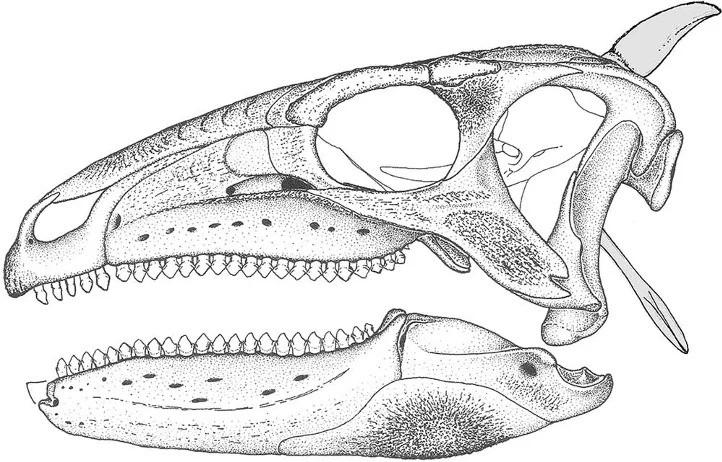
The investigation revealed multiple anatomical features never identified before. A striking discovery involved the skull, where Norman detected horn-like projections along its rear margin. Additionally, the study highlighted several bones previously unrecorded in related dinosaur fossils.
“Nobody knew that the skull had horns on its back edge,” Norman noted. “It also had several bones that have never before been recognized in any other dinosaur.”
The skull exhibited a textured surface indicating the presence of hard, horny scutes in life, comparable to those seen in modern turtles. The body as a whole was heavily fortified as well.
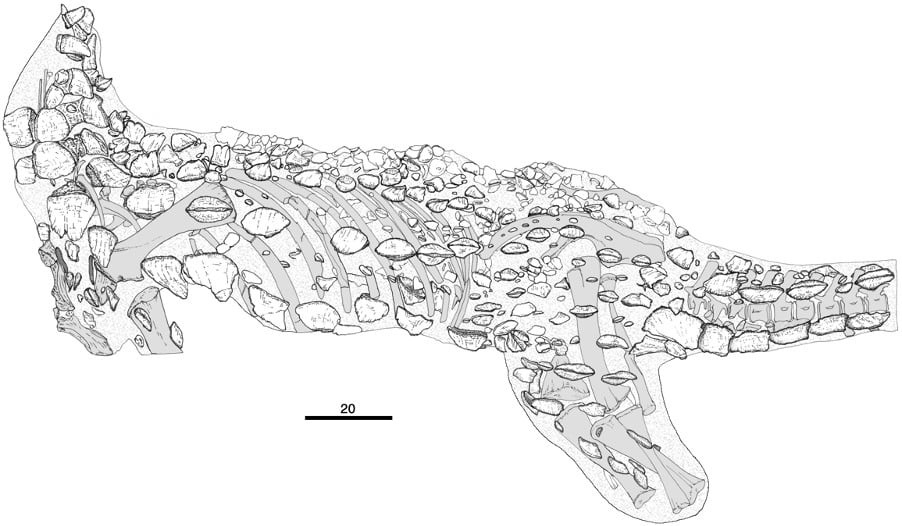
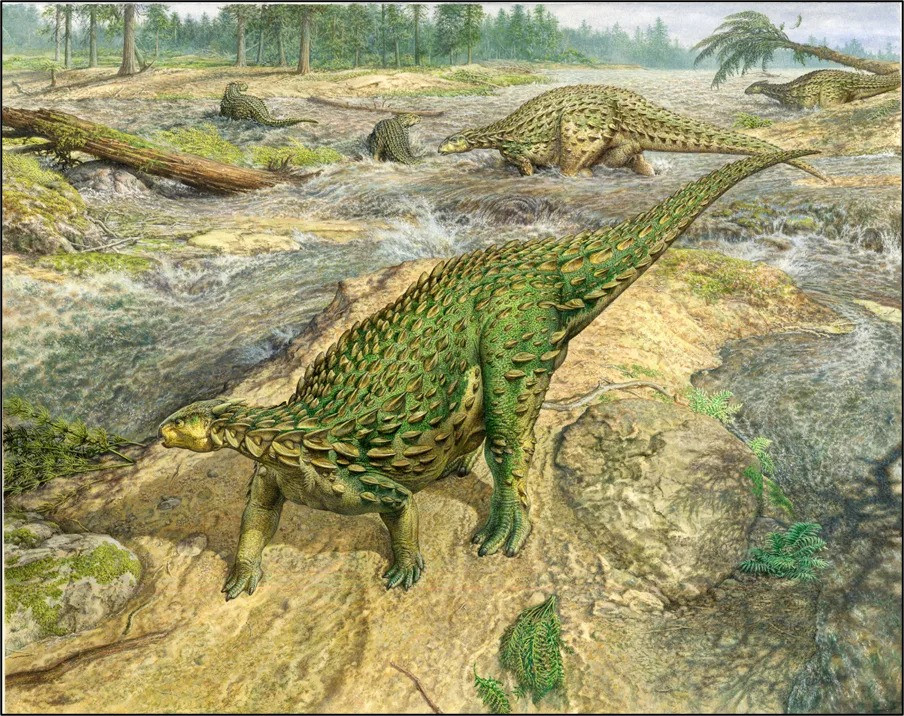
Scientists discovered evidence of skin embedded with numerous bony plates and spike-like studs, constituting a naturally armored framework enveloping much of the dinosaur’s form. Almost two centuries after its discovery, Scelidosaurus is now understood more clearly than ever before.
Origin of the Armored Dinosaur Lineage
The research, featured in the Proceedings of the Geologists’ Association, also helps resolve a long-standing question regarding Scelidosaurus’s evolutionary relationships. Previously considered a common ancestor of both stegosaurs and ankylosaurs, this assumption was based on incomplete anatomical knowledge.
David Norman’s analysis proposes that Scelidosaurus is more accurately classified as an early ancestor of ankylosaurs—the armored dinosaurs that diversified greatly during the Cretaceous. Its ancient origin is particularly significant, as Norman points out that Scelidosaurus emerged near the evolutionary dawn of Ornithischia, a major dinosaur clade.
“It is unfortunate that such an important dinosaur, discovered at such a critical time in the early study of dinosaurs, was never properly described,” Norman said. “It has now – at last! – been described in detail and provides many new and unexpected insights concerning the biology of early dinosaurs and their underlying relationships. It seems a shame that the work was not done earlier but, as they say, better late than never.”
- Categories:
- Science








0 comments
Sign in to Comment