
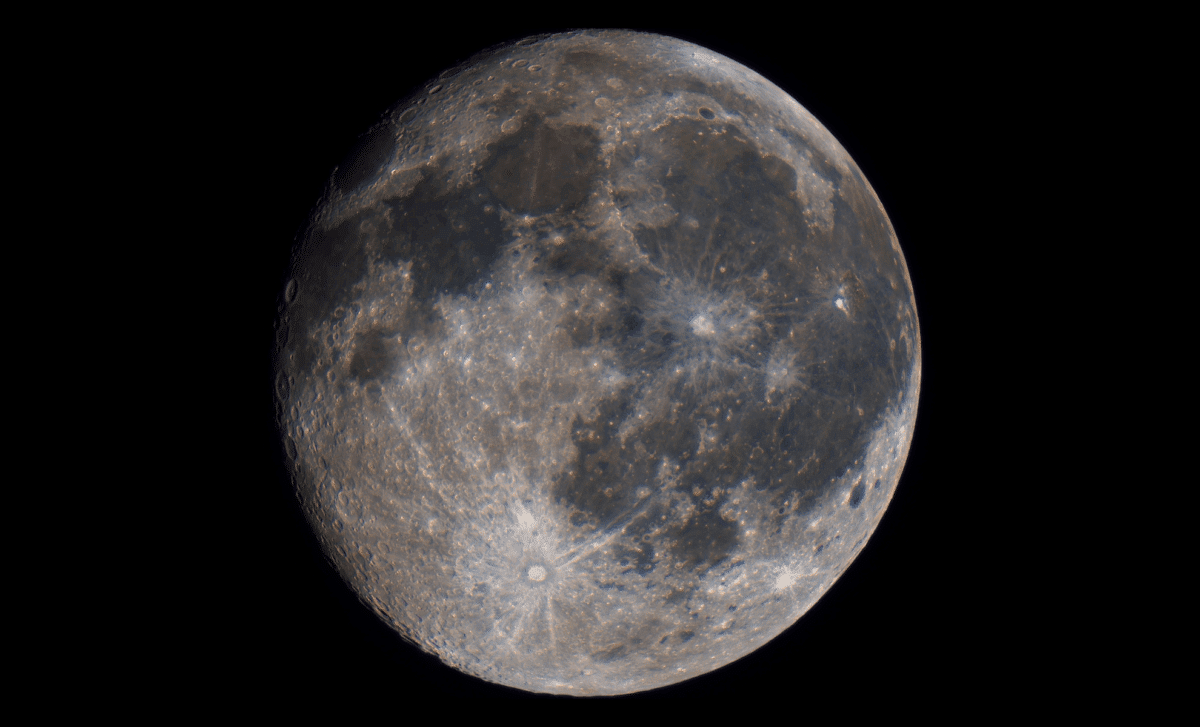
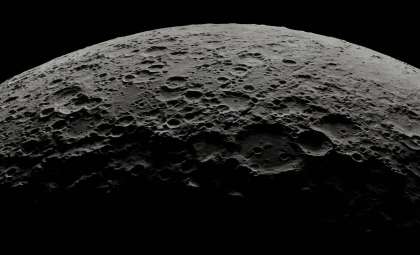
For ages, the composition of the Moon’s inner structure has sparked curiosity among scientists. Now, after extensive investigation, a pioneering study has shed light on this mystery. Featured in Nature, the research reveals that the Moon houses a solid core made of material resembling iron in density. This breakthrough enriches our understanding of the Moon’s developmental history and the decline of its magnetic field.
Discovering the Moon’s Solid Inner Core
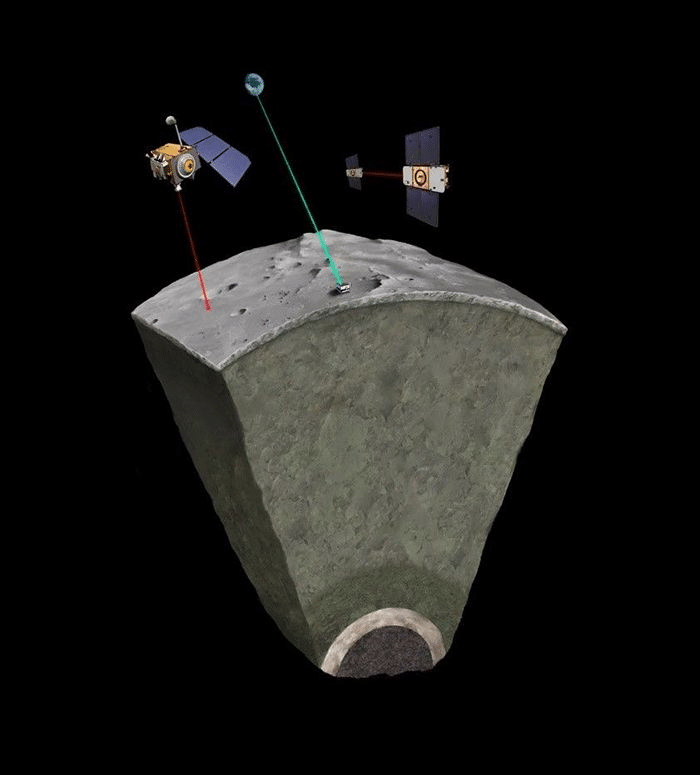
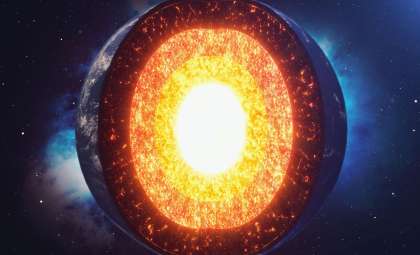
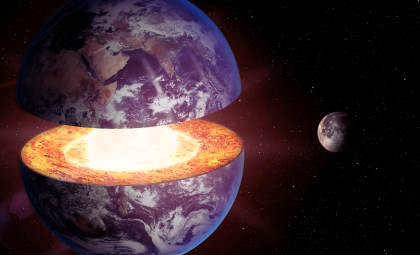
The exact makeup of the Moon’s core was long unclear, with debates over whether it was molten or solid. While some hypothesized a liquid core, others believed it shared similarities with Earth’s solid inner core. In May 2023, a research team led by astronomer Arthur Briaud from the French National Centre for Scientific Research (CNRS) revealed conclusive evidence in Nature confirming that the Moon has a solid inner core encased by a fluid outer core, mirroring Earth’s core structure.
The breakthrough was achieved after analyzing seismic data, lunar laser experiments, and information from various space probes, allowing the researchers to accurately model the core’s characteristics. They determined the solid core has a density near 7,822 kilograms per cubic meter, roughly equivalent to iron. This core spans approximately 258 kilometers (160 miles) in radius, surrounded by a liquid outer core extending to about 362 kilometers (225 miles). These results not only verify prior assumptions but also illuminate the Moon’s intricate evolutionary path.

The Lunar Magnetic Field and Its Historical Significance
Beyond structural insights, the study also enhances our grasp of the Moon’s magnetic field history. Arthur Briaud and his colleagues note,
“Our results question the evolution of the Moon’s magnetic field thanks to its demonstration of the existence of the inner core and support a global mantle overturn scenario that brings substantial insights on the timeline of the lunar bombardment in the first billion years of the Solar System.”
This magnetic presence once dominant in the Moon’s early days started fading roughly 3.2 billion years ago, prompting long-standing questions about its disappearance.
The findings propose that core dynamics were key drivers of the Moon’s ancient magnetic field. As the core gradually cooled and hardened, convective movements diminished, which likely led to the weakening of the magnetic field. This new perspective is vital for comprehending the disappearance of the Moon’s magnetism and offers clues about the early history shared with Earth.
Future Insights: How Core Processes Influence Lunar Evolution
This latest study not only redefines our knowledge of the Moon’s history but also hints at future discoveries. Central to this is the idea of “mantle overturn,” a process where heavier materials inside the Moon sink toward the core and lighter materials ascend. This mechanism greatly affects the composition and activity of lunar volcanic regions.
Through simulations of this overturn process, Briaud’s team explains the presence of specific elements in volcanic zones scattered across the lunar surface. Their results support earlier hypotheses that volcanic phenomena on the Moon were driven by profound internal forces, further proving the Moon’s interior was once more geologically dynamic than previously thought.
- Categories:
- News



0 comments
Sign in to Comment