
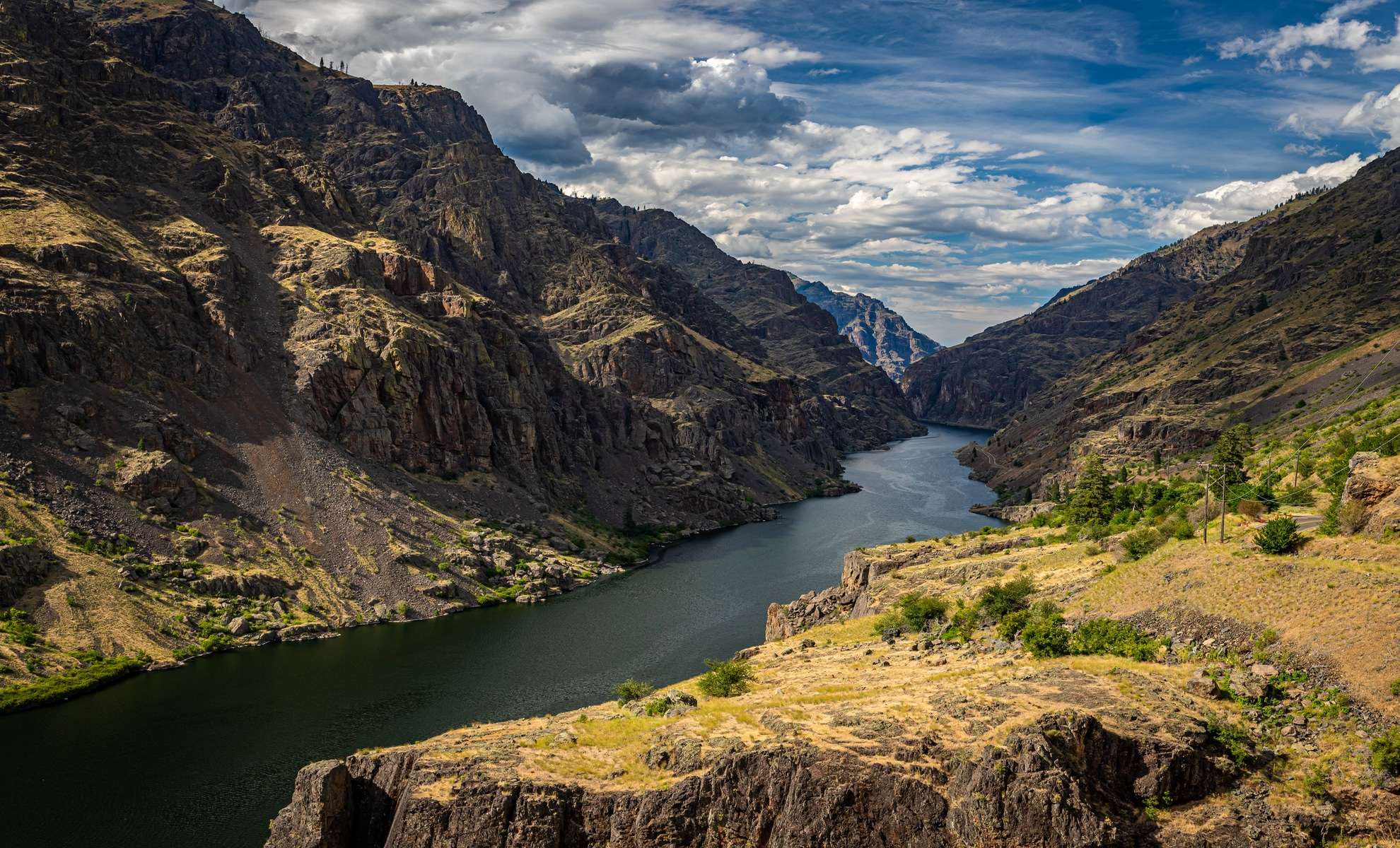
Recent geological research has unveiled significant insights into Hells Canyon, recognized as the deepest river canyon in the United States. The latest findings indicate this remarkable landscape likely emerged approximately 2.1 million years ago, a timeline much younger than previous estimates had suggested.
Rapid Formation of Hells Canyon Revises Earlier Theories
Located along the junction of Oregon, Idaho, and Washington, Hells Canyon descends nearly 1.5 miles (2.4 kilometers) and stretches about 10 miles (16 kilometers) across. It is nearly 2,000 feet deeper compared to the Grand Canyon, which has long been the benchmark for North America’s grandest geological features. Despite its size, the origins of Hells Canyon have been elusive, partly because canyons tend to erase the geological evidence of their own formation, explained Matthew Morriss, a geologist with the Utah Geological Survey and the lead author of the recent study.
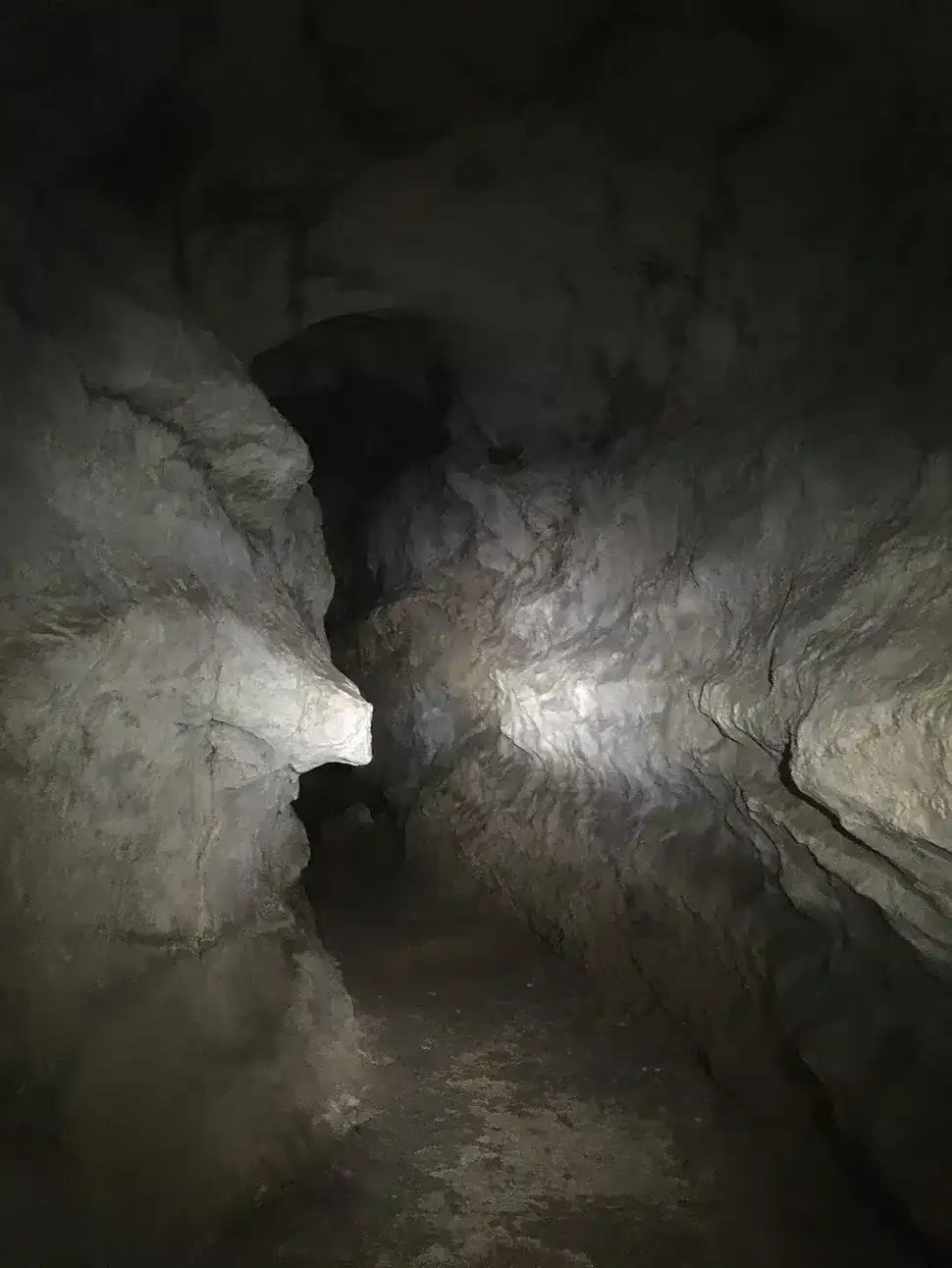
The downward cutting action of rivers removes sediments and geological markers that are crucial for tracing canyon development. However, Morriss hypothesized that the steepness of Hells Canyon hinted at a relatively swift formation. To explore this idea, his team focused on an unconventional geological record: caves embedded within canyon walls where flood-borne gravel and sediments have endured over millennia.

Cave Sediments Trace the Ancient Course of the Snake River
By analyzing the sediments deposited by the Snake River, the research team pieced together a timeline indicating when the river flowed at elevated levels — essential data to identify the period of active canyon carving. Applying isotope dating methods to gravel from three distinct caves, the scientists determined ages corresponding to a major hydrological shift roughly 2.1 million years ago.
The evidence suggests a massive flood event rerouted waters from ancient Lake Idaho, forging a new pathway that became the Snake River’s modern route through Hells Canyon. This diversion might have been caused by increased rainfall or movement in the continental divide, initiating rapid erosion that sculpted the current landscape.
Prior to this event, the Snake River gradually eroded rock formations over millions of years. Yet, after the diversion, the river dramatically intensified its erosive force, carving the canyon at a remarkably fast pace. “I was surprised by how young the canyon turned out to be,” Morriss remarked. “It’s astonishing that it formed in just over two million years — younger than the Grand Canyon.”
Understanding Hells Canyon Beyond Grand Canyon Comparisons
This breakthrough has sparked comparisons with the Grand Canyon, which is often considered a geological counterpart. Karl Karlstrom, a geologist from the University of New Mexico who was not involved in this project, acknowledged the parallels: both feature expansive canyons with significant rivers running through them, frequently making them subjects of comparative research. However, he emphasized that this study clarifies Hells Canyon’s unique geological journey.
Karlstrom described the new findings as “a compelling hypothesis” and highlighted the importance of conducting further dating analyses on more caves and validating results through complementary methods to sharpen the understanding of its timeline. Nevertheless, the research offers promising perspectives on how certain canyons can develop much faster than traditionally thought, given specific geological and hydrological circumstances.
Both Morriss and Karlstrom stress that this discovery is more than a tale of rock and water; it reflects the broader themes of time, change, and the dynamic nature of Earth's landscape.
- Categories:
- News








0 comments
Sign in to Comment