
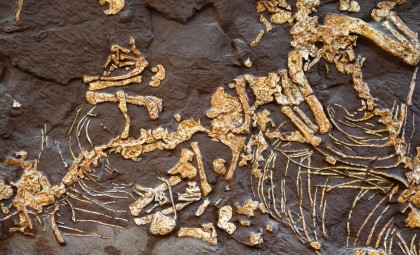
Scientists have identified a previously unknown dinosaur species thanks to a nearly intact skull and partial skeletal remains unearthed in northwestern China. Estimated to be about 165 to 168 million years old, this fossil is notable for its exceptionally complete skull, which is rarely found among its relatives.
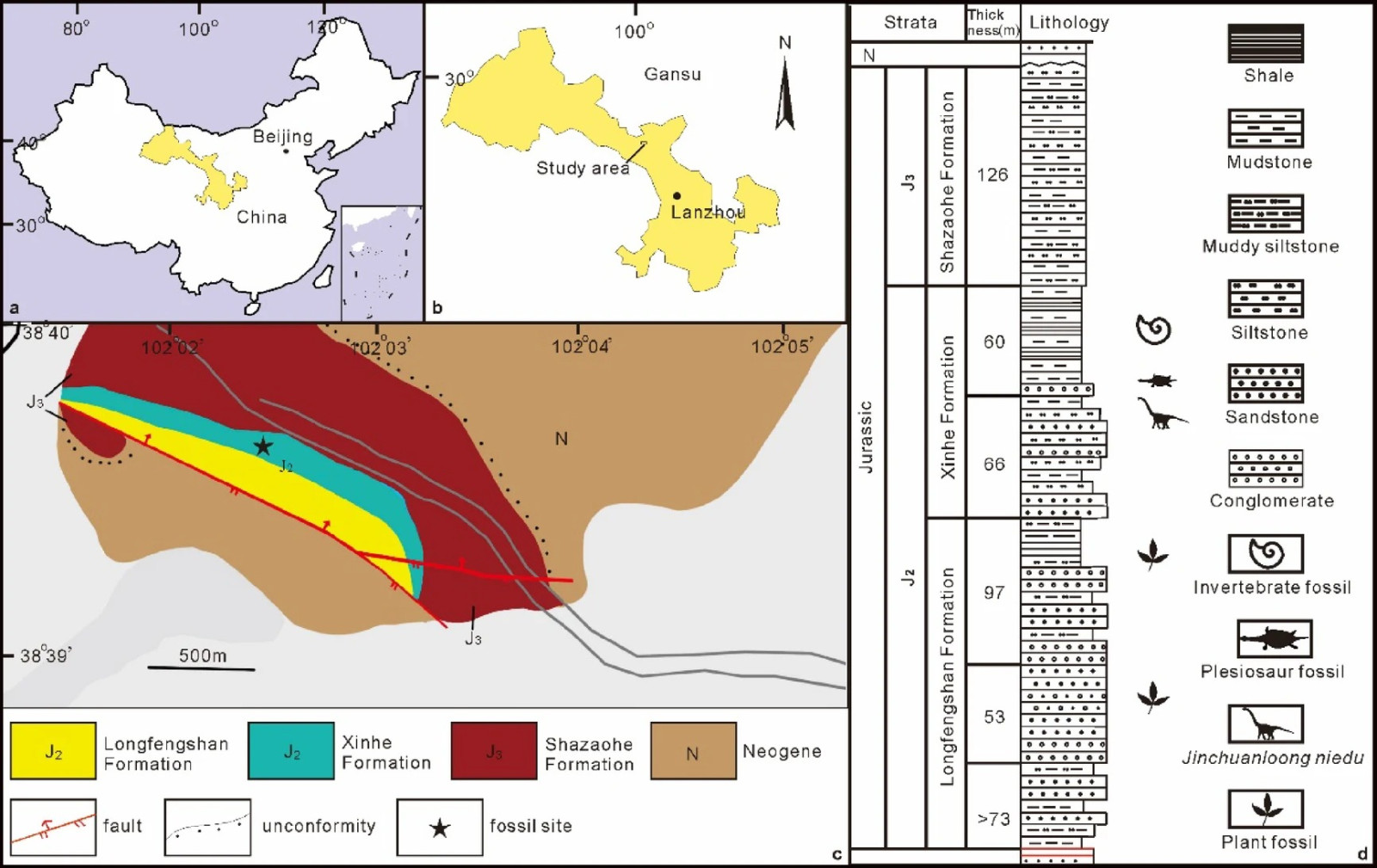
The discovery took place in the Xinhe Formation within Gansu Province, where sedimentary layers from the late Bathonian era yielded a partial skeleton including the skull, cervical vertebrae, and an extensive series of tail bones. Published in Scientific Reports, the study highlights that such preservation allows researchers to examine anatomical details often missing in comparable fossils.
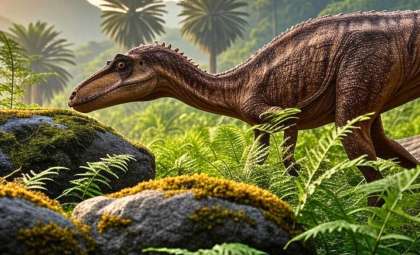
Eusauropods represent a significant lineage of long-necked herbivorous dinosaurs that rose to prominence following an extinction event in the late Early Jurassic. While well-known genera like Apatosaurus belong to later neosauropods, earlier non-neosauropod eusauropods, especially from East Asia, remain less thoroughly studied.

An Uncommon Skull Offering New Insights
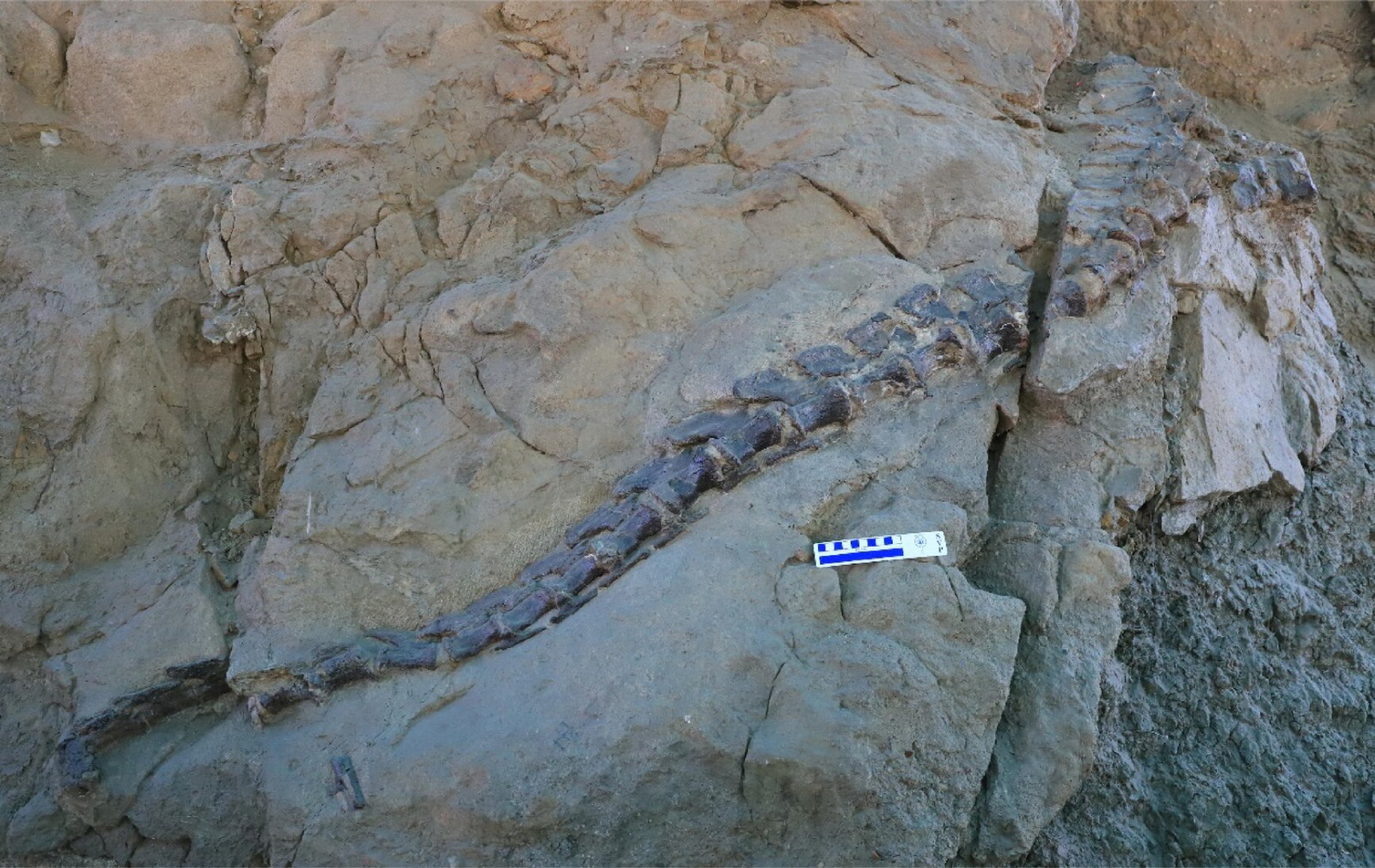
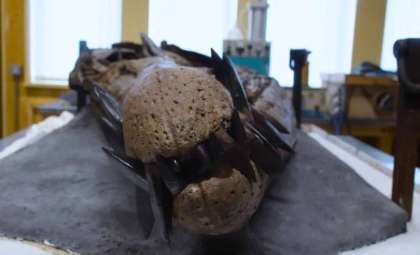
The holotype specimen of Jinchuanloong niedu features a nearly complete skull with a jawbone, along with five neck vertebrae and 29 tail vertebrae. Researchers noted that fossils preserving such intact skulls among non-neosauropod eusauropods are rare, limiting understanding of their cranial anatomy until now.
This specimen enables detailed examination of the skull anatomy, revealing how the bones articulate and providing new perspectives on the feeding behavior and lifestyle of these early sauropods.
A Blend of Primitive and Advanced Features
When compared with other sauropods from East Asia, Jinchuanloong exhibits a unique combination of ancestral and evolved traits.
“Sauropod dinosaurs were gigantic quadrupedal herbivores. They range from Early Jurassic to Late Cretaceous and have been found on all continents. The rich sauropod faunas in the Middle and Late Jurassic of China are mainly from southern or western China,” wrote the authors.
The research highlights small openings at the base of the maxillary ascending process and on the upper frontal edge of the prefrontal bone.
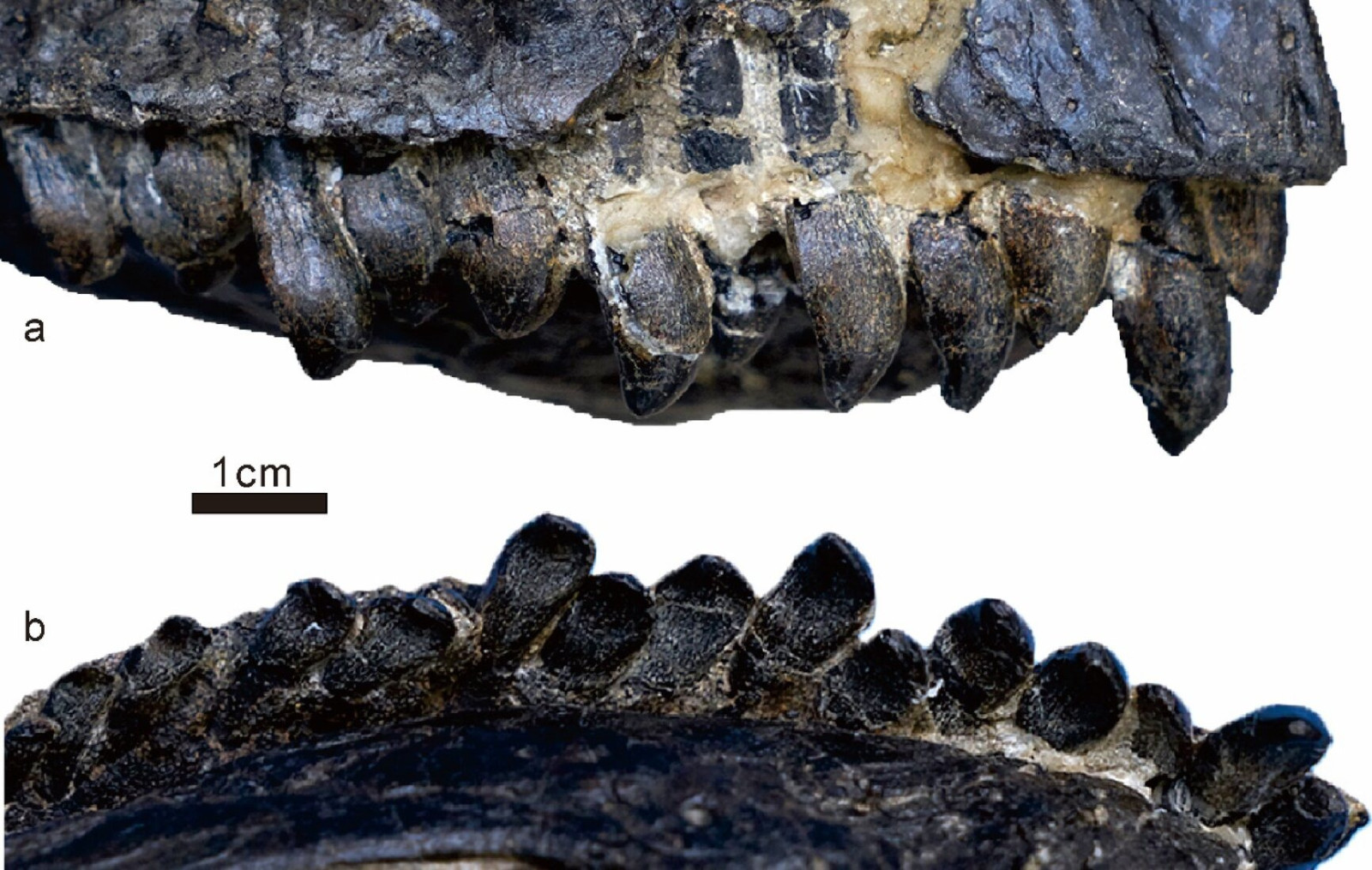
Additionally, the team identified a notably sturdy postorbital bone and distinctive spoon-shaped teeth, characteristics reminiscent of Shunosaurus and Turiasaurus. These observations were supported by comprehensive anatomical comparisons and phylogenetic studies utilizing two independent datasets.
Crucial Link in Sauropod Evolutionary Tree
Phylogenetic analysis suggests Jinchuanloong represents a eusauropod just outside the more evolved neosauropod group. It is closely related to the lineage leading to Neosauropoda, functioning as a sister clade to Turiasauria and more derived sauropods.
“The discovery of Jinchuanloong niedu enriches the diversity of early diverging sauropods and provides additional information to help understand the evolutionary history of sauropods in northwest China,” as outlined by the study team.
There is also evidence suggesting this individual was not fully mature. Unfused neural arches in the tail vertebrae and the presence of a large pineal foramen indicate it was likely a juvenile or subadult, despite measuring about 10 meters in length.
- Categories:
- Science

0 comments
Sign in to Comment