
Researchers have uncovered an intriguing new species of tree snake on Misima Island in Papua New Guinea.
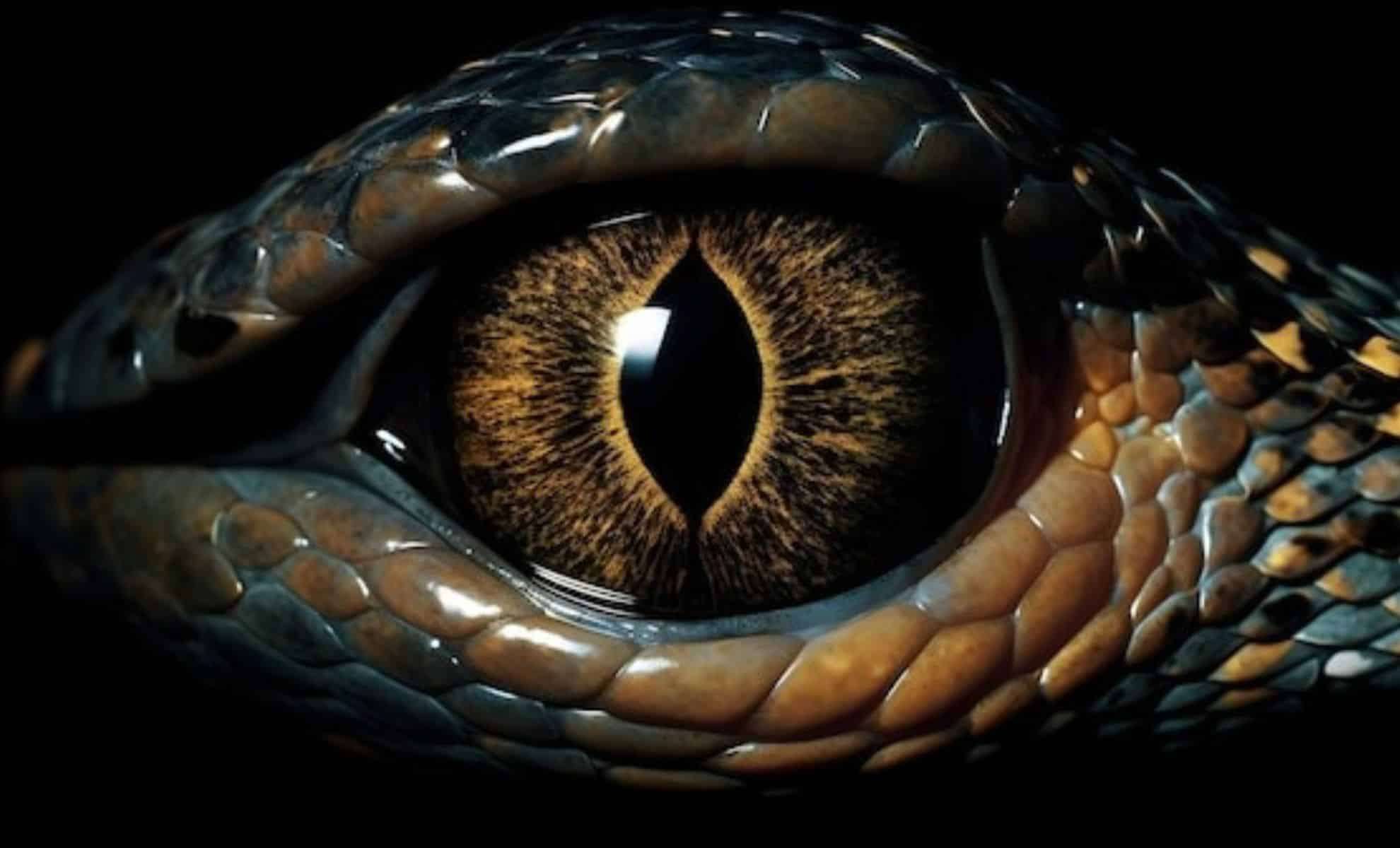
This snake, named Dendrelaphis atra or the atra tree snake, is distinguished by its deep matte black body and prominent black eyes.
Fred Kraus, a herpetologist from the University of Michigan Ann Arbor, discovered this species during his studies of the local reptile fauna.

An Unexpected Discovery
While conducting fieldwork on Misima Island to catalogue the region’s reptile diversity, Kraus explored a mining site where he found several sizable snakes measuring just over 4 feet long.
Their notable white chins combined with striking black eyes and matte black scales piqued his interest. Detailed examination revealed these specimens represented an unrecognized species.
Kraus chose the name Dendrelaphis atra, with "atra" derived from Latin for black, reflecting the snakes’ distinctive coloration.
Color Changes with Maturity
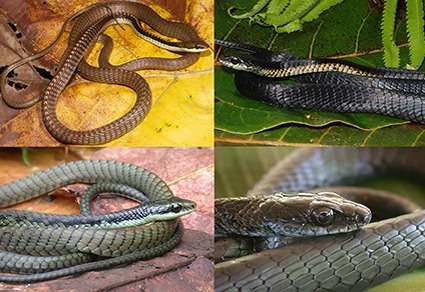
The atra tree snake stands out for its aging-related color transformation. According to Kraus’s published research, younger snakes display a gray-brown tint, which gradually darkens until adults exhibit a solid black shade.
This progressive darkening differentiates the species from its relatives and offers clues about its developmental stages.
Adapting to Various Environments
The newly classified atra tree snake inhabits diverse ecosystems around Misima Island. It has been spotted in village gardens, rainforests, and areas affected by human activity, including a mining operation and its surrounding infrastructure.
Despite this broad habitat range, detailed knowledge about the snake’s habits and ecological impact remains scarce.
Currently, sightings are limited to Misima Island, though ongoing studies could reveal a wider distribution and behavioral insights.
Adding to a Biodiversity Treasure Trove
Papua New Guinea is internationally recognized for its remarkable biodiversity, hosting more than 5 percent of global species diversity.
The Milne Bay Province, home to Misima Island, is one of the planet’s richest regions for endemic reptiles and amphibians.
Discoveries like the atra tree snake enrich our understanding of this biologically diverse area.
In addition, Kraus identified three other novel snake species, each from separate islands within the Louisiade Archipelago. These findings emphasize the unique biodiversity of the region and underscore its importance for conservation worldwide.
- Categories:
- Nature





0 comments
Sign in to Comment