
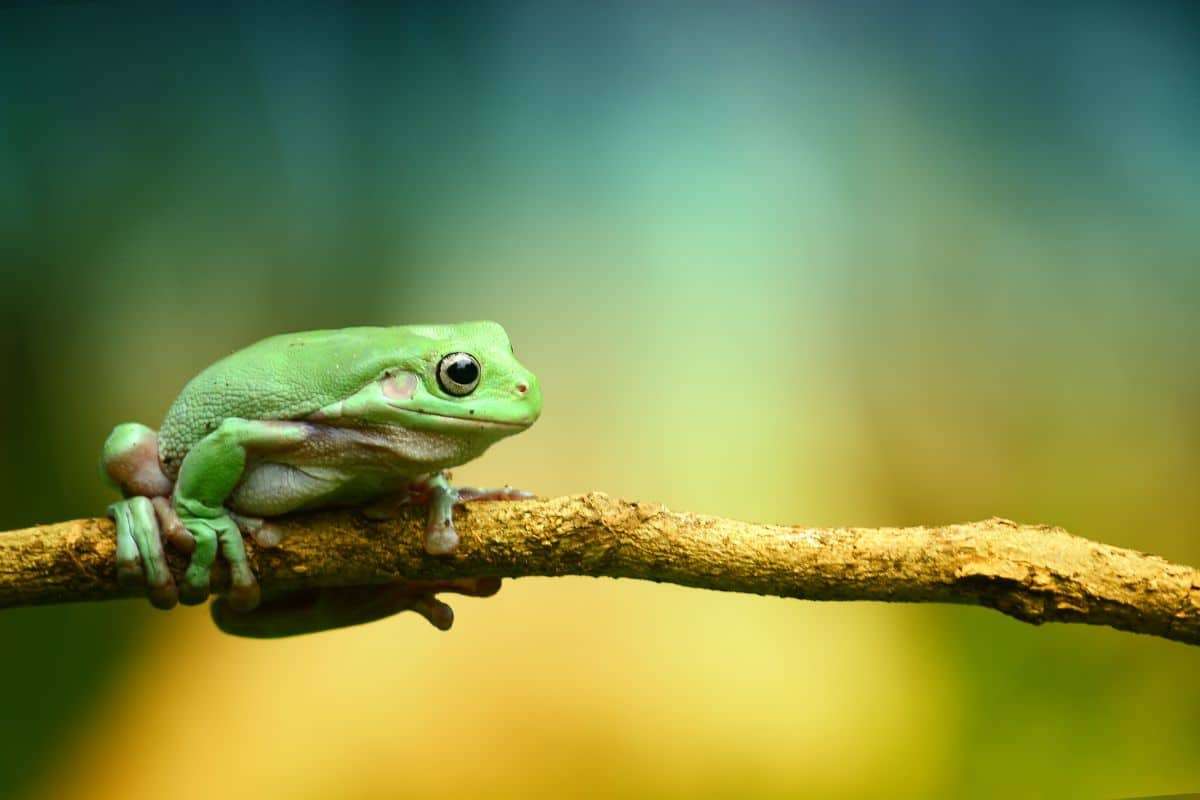
Did you ever notice a frog lurking in the Australian bush toilet? These creatures, known colloquially as “dunny frogs” due to their habit of inhabiting toilets, showers, and water tanks, were long thought to belong to one species. But recent scientific work has rewritten that view, revealing three separate species within this group.
An Unexpected Discovery Right Here at Home
The red tree frog (Litoria rubella) has historically been recognised as a single species sporting the largest distribution of any frog in Australia, spanning an astonishing 4.6 million square kilometers, from tropical monsoon areas to harsh desert interiors. Yet, researchers questioned how one species could survive in such varied ecosystems.
Led by Dr. Renee Catullo from the University of Western Australia, a team including experts from Australian museums and German institutions launched a detailed analysis.

Their results, featured in Zootaxa, integrated genetic data, morphological measurements, and recordings of mating calls to reveal hidden diversity. The conclusion? What was once thought to be a single dunny frog species is actually three distinct species.
The Newly Identified ‘Dunny Frogs’
Using mitochondrial DNA studies alongside physical characteristics, the research separated two new species from the known Litoria rubella.
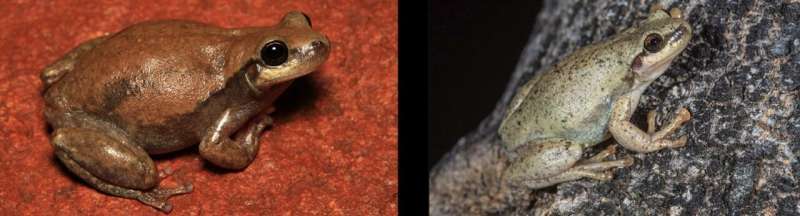
The western desert tree frog (Litoria larisonans) lives in the dry Pilbara and central parts of Western Australia, showing adaptations for arid survival.
Meanwhile, the ruddy tree frog (Litoria pyrina) is found in the humid tropical regions of Queensland and New South Wales, demonstrating how these frogs adapting to contrasting ecosystems.
A defining difference between the species was their distinctive mating calls, with males emitting a characteristic multi-pulsed bleat. This, coupled with genetic and morphological distinctions, confirmed there are three separate species previously mistaken as one.
Evolution Driven by Australia’s Diverse Habitats
This finding underscores how Australia’s extreme environments promote species diversification and adaptation. While some frogs evolve to endure arid, desert climates, others thrive in lush coastal rainforests. Such ecological separation exemplifies the process of speciation in action.
“These frogs illustrate how species diversify across wildly different environments, from tropical shores to parched deserts,” explained Dr. Catullo. “Their richness and variability offer valuable insight into frog evolution in Australia.”
The Impact of This Discovery
Identifying new species is far more than taxonomy—it has vital conservation consequences. Correct species identification guides conservation strategies, ensuring each group receives adequate protection. What might appear as a widespread, resilient species could actually comprise smaller, vulnerable populations.
Misclassifying multiple species as one could mean neglecting populations in need of urgent conservation measures.
More Than Just Bathroom Visitors
While the dunny frogs are popularly known for their bizarre habit of inhabiting toilets, their newfound diversity highlights nature’s hidden intricacies. So next time you hear an unusual croak near a remote toilet, you could be encountering one of Australia’s recently recognized amphibian species, previously mistaken for a single type for decades.
- Categories:
- Nature








0 comments
Sign in to Comment