
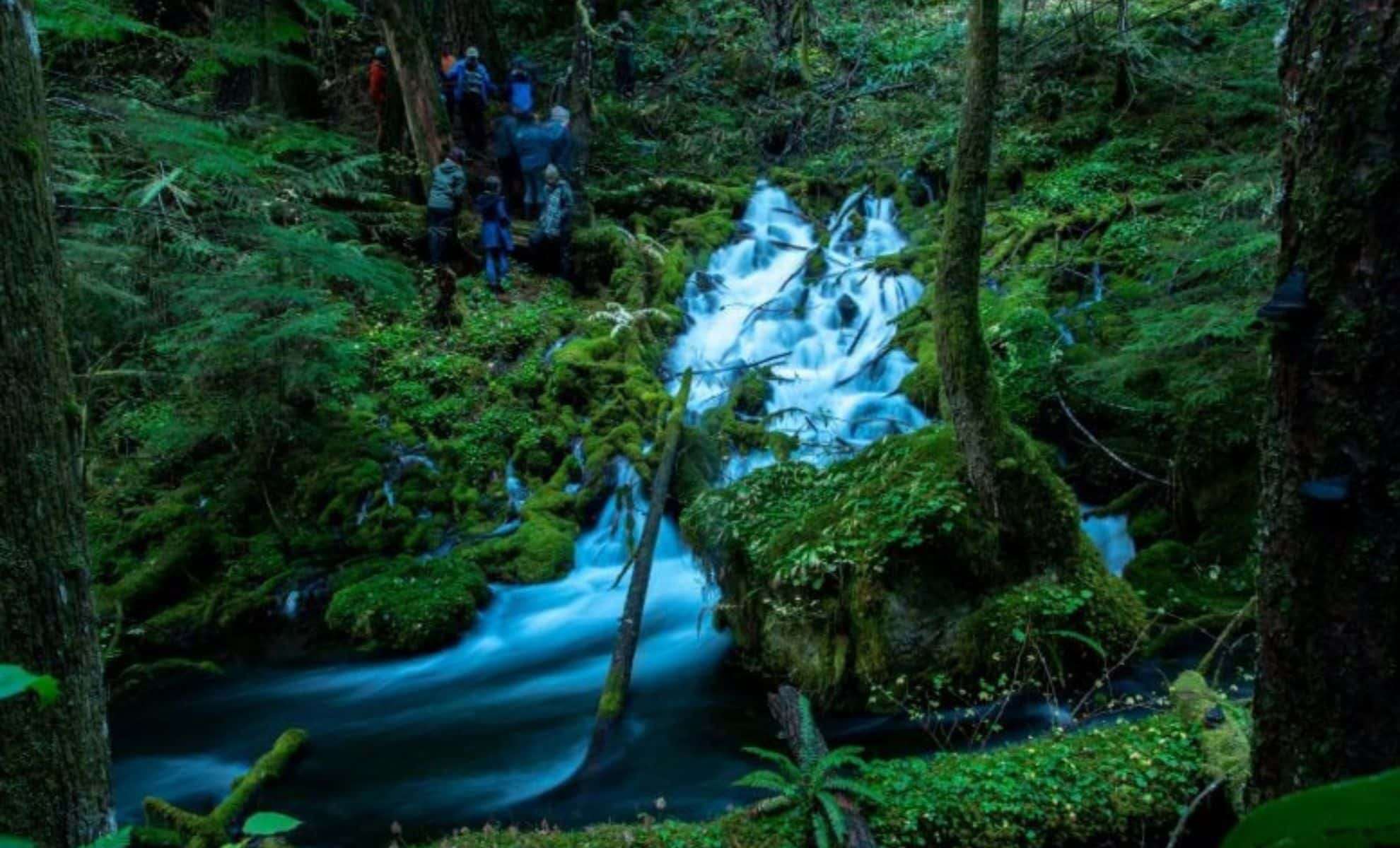
Researchers have made a groundbreaking find of an immense underground water aquifer beneath Oregon’s volcanic Cascade Mountains. This hidden reservoir contains over 81 cubic kilometers (around 21 trillion gallons) of water—approximately triple the volume of Lake Mead, the largest artificial reservoir in the U.S., and more than half the size of Lake Tahoe. This vast subterranean store reshapes our knowledge of the region’s hydrological systems, revealing a giant water resource previously untapped.
Situated deep within the permeable volcanic formations of the Cascades, this huge aquifer sheds light not only on the geological evolution of the area but also offers critical prospects for future water management amid rising drought frequency and climate shifts. Its discovery expands scientific insights into how volcanic terrains can harbor extensive water supplies and significantly impacts research on volcanic activity since the interaction between magma and large water bodies can influence eruption mechanisms. With changing climate threatening the snowmelt that feeds this underground reservoir, scientists are urgently studying its role in supporting ecosystems and landscape dynamics moving forward.
Deep Geological Treasure Hidden in Oregon’s Volcanic Spine
The aquifer was identified through efforts by a multidisciplinary team from the University of Oregon, collaborating with experts from Oregon State University, Duke University, and the U.S. Geological Survey. Their findings, recently published in Proceedings of the National Academy of Sciences, utilized sophisticated geophysical mapping techniques. Decades of prior drilling and heat flow studies in the Cascades bolstered these revelations.

“It’s like a lake the size of a continent held in rocky reservoirs atop the mountains, almost functioning as a giant natural water tower,” said Leif Karlstrom, who led the research. This remarkable store of water positions the Cascade Range as potentially the largest volcanic groundwater system in North America, stretching beyond Oregon and approaching Mount Shasta in California.
The Cascade Mountains: Nature’s Elevated Reservoir
The Cascades, formed through volcanic activity over millennia, serve as a substantial natural water storage due to their porous volcanic rock makeup. This groundwater source is primarily replenished by melting snow, making it particularly susceptible to climatic fluctuations.
“The region holds an extraordinary geological endowment,” noted Gordon Grant, a U.S. Forest Service geologist and co-author of the study. “Yet, we are only beginning to fully grasp its significance.” This underground reservoir feeds essential watersheds like the McKenzie River, which provides drinking water for much of Eugene, Oregon.
Water Management in an Era of Climate Stress
Discovered amid increasing concerns about water shortages, this aquifer offers a promising buffer against droughts and declining snowpack, issues confronting much of western North America. However, scientists caution that the aquifer is not limitless.
“Currently, it is a large, dynamic groundwater system, but its long-term viability depends on sufficient recharge from precipitation,” Karlstrom emphasized. With forecasts predicting less snowfall and more rainfall, the aquifer’s recharge rates may shift considerably. Extended dry periods or reduced snowmelt could upset the delicate hydrological balance, with significant consequences for both local ecosystems and human communities.
Insights into Volcanic Activity and Hazards
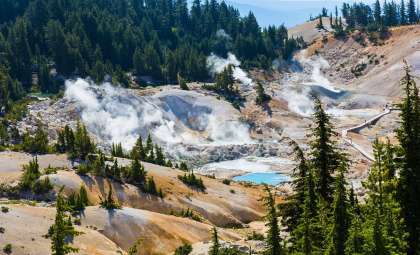
Beyond water resource implications, this underground system offers valuable clues about volcanic behavior in the Cascade Range. The presence of abundant water near magma chambers can alter eruption dynamics, potentially triggering explosive events that eject ash and gases into the atmosphere.
Earlier geothermal exploration through drilling yielded crucial temperature data within volcanic rocks. Variations in heat flow patterns allowed scientists to deduce the depth and scale of the aquifer. They found that groundwater penetrating the porous formations disrupts the normal increase in temperature with depth.
“Typically, rock temperature rises as you go deeper underground,” Karlstrom explained. “But when water seeps deep into the crust, it equalizes temperatures, so rocks one kilometer down can be as cool as those at the surface.” This phenomenon has greatly enhanced understanding of how water influences volcanic systems in the region.
A Vital, Yet Limited, Natural Asset
Although this vast water reserve offers resilience against drought, researchers urge prudent management to sustain it. Understanding the aquifer’s response to climate variability and human demands is essential. Growing pressures from farming, urban development, and ecological needs will require balanced policies to protect this critical resource.
“Our research began with a desire to decipher how the Cascade landscape formed and how water moves through it,” reflected Grant. “Along the way, we uncovered something deeply meaningful: the enormous volumes of water stored in the Cascades and the close link between water flow and volcanic hazards.”
Looking Ahead: Preserving Oregon’s Hidden Water Giant
The identification of this huge subterranean water vault underscores the complexity and interdependence of natural systems and the importance of maintaining their balance. Facing escalating climate-related challenges, scientists and decision-makers are working to deepen understanding and safeguard this geological marvel.
This aquifer represents both a shield against future drought and a key factor in volcanic processes. Its preservation relies on sustainable stewardship and protecting natural recharge cycles to ensure this impressive water reserve continues supporting the region for years to come.
- Categories:
- Nature







0 comments
Sign in to Comment